

England travel to Madrid for a high-stakes Nations League decider that Thomas Tuchel has described as a 'final' and a key 'proof of concept' for his methods. The game will also be the first England fixture in Madrid since 2004; Tuchel has said he will remind his players of anti-racism protocols ahead of the trip. The match arrives as preparations for Euro 2028 gain urgency, amid wider attention on some players off the pitch and debate in the Spanish camp about Lamine Yamal.
What happened
Thomas Tuchel named his squad for the international window that will determine whether England finish first or second in their Nations League group. He has repeatedly framed the Madrid match as a test of his ideas — a 'proof of concept' — and labelled the tie a 'final' in the context of the group. The visit to Madrid is England’s first since the 2004 fixture marred by racist abuse, and Tuchel plans to remind his players of anti-racism protocols before the game. The England camp arrives while conversations around player profile and off-field activity persist: one England player has been prominent in fashion coverage this month, and Spain’s preparation has been affected by debate around the treatment of a young Spanish player.
The tactical reading
Tuchel calling the game a 'proof of concept' suggests he sees the Madrid match as more than a one-off: it is an opportunity to validate a sustained tactical identity. That phrasing typically points to an emphasis on process — patterns of play, positional rules and transitional habits — rather than purely short-term game-management. In practical terms, Tuchel’s approach likely prioritises clear, repeatable structures that can be stress-tested against a technically proficient opponent in a hostile stadium.
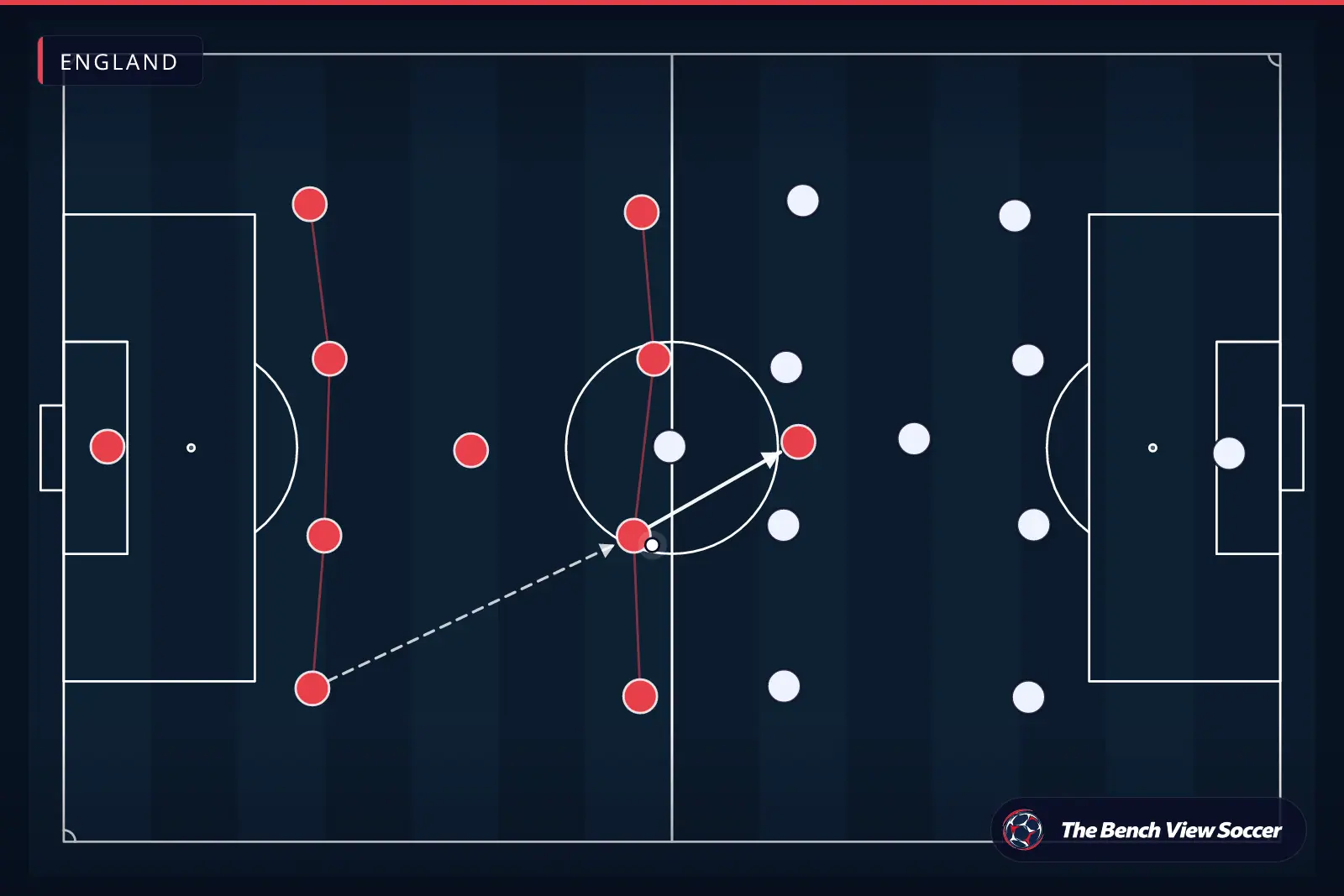
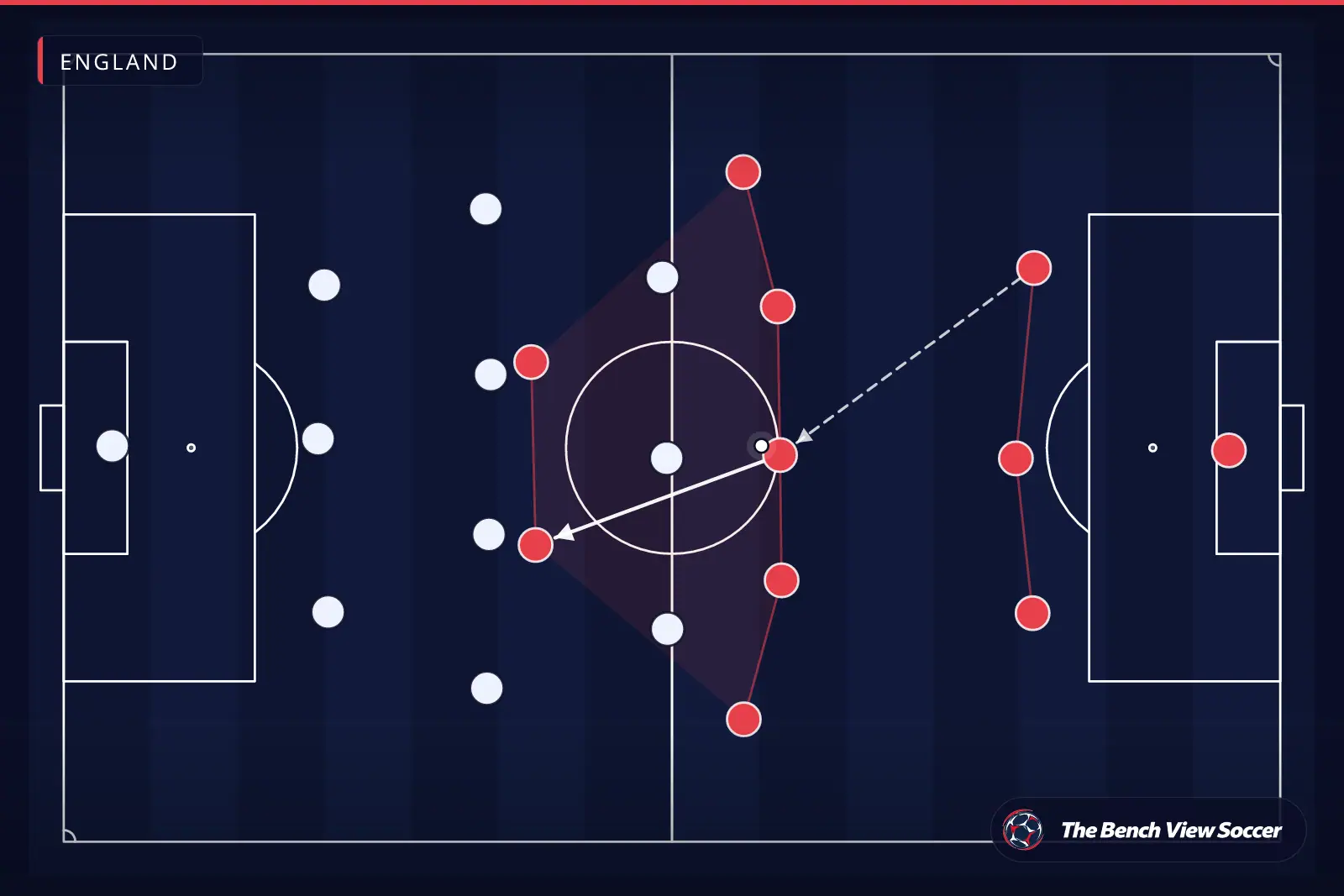
The context of a decider against Spain implies England will confront an opponent comfortable with possession and vertical fluidity. Against such profiles, a coach’s structural choices often gravitate toward compactness between the lines, selective pressing triggers and defined roles for wide players to help both overload and recover. Tuchel's intention to remind players of off-field protocols before the match underlines the importance of psychological preparation for operating under pressure — maintaining concentration on tactical tasks while managing an intense external atmosphere.
The mention of this match shaping preparations for a future tournament cycle hints at trade-offs: deploying a system robust enough to handle elite possession without sacrificing the capacity to create decisive moments on the break. That balance usually requires disciplined midfield control, clear responsibilities for when to drop into a more passive block versus when to press, and wing players capable of toggling between width-providing positions and quick vertical support. The tactical template Tuchel tests here is likely one he intends to refine further rather than overhaul after a single result.
Finally, the peripheral narratives — high-profile players with substantial off-field commitments and debates within the opposition’s camp — can influence selection and match dynamics. Managing individual focus and integrating star players into collective structures are recurring coaching challenges; the Madrid environment will assess how Tuchel’s methods accommodate or constrain individual expression while preserving team coherence.
Key tactical points
- Define pressing triggers clearly: decide when to engage high and when to sit in a compact block to negate Spain’s possession advantages.
- Midfield spacing matters: maintain distances that allow both protection of the centre-backs and quick vertical progress when possession is won.
- Wide players’ dual duties: balance width for ball circulation with rapid inside support to exploit transitions.
- Psychological routines are tactical tools: pre-match protocols and reminders (such as anti-racism briefings) help preserve concentration under hostile conditions.
- Use the match as a systems test: prioritise repeatable patterns that can be practiced and refined across the Euro 2028 cycle.
What to watch next
Will Tuchel insist on a prescriptive, repeatable structure that limits individual improvisation, or will he allow more freedom for high-profile attackers whose off-field profiles invite additional media focus? Observing whether England prioritise controlled counter-attacks or sustained pressing sequences will indicate which aspects of Tuchel’s blueprint he values more under pressure.
Also watch how England manage in-game switching between defensive phases: are there clear triggers for compacting into a low block versus stepping up to press, and how quickly do players reorganise after turnovers? Those responses will show whether the 'proof of concept' is operational under match stress.
Train it
Drill: 8v8+3 positional transition rondo focused on pressing triggers and quick progression. Set up two 25x30m halves with a neutral zone between them. The possession team (8) tries to circulate in one half; three floaters (two wide, one central) provide outlets. On a coach’s signal or after a set number of passes the ball is played into the opposite half to the 8 defenders who must immediately press. The emphasis is on trigger recognition, compactness, and quick progression after recovery.
- Coaching point 1: define and rehearse specific pressing triggers (bad touch, backward pass, narrow body orientation) so players react uniformly.
- Coaching point 2: drill distances between lines — encourage a midfield line within 8–12m of the back line to enable both protection and forward passing lanes.
- Coaching point 3: train wide players to alternate between providing width in possession and making vertical supporting runs after turnover to exploit transition moments.
Sources
- The Guardian: Branding it like Beckham: how Jude Bellingham is future-proofing his fame
- The Guardian: ‘No one is unbeatable’: Tuchel eager for England to impose style on Spain
- The Guardian: De la Fuente feels the strain as Lamine Yamal club v country debate rages in Spain
- The Guardian: Tuchel to remind England players of anti-racism protocols before game in Spain
The Bench View app
Don’t just read football — train it
Everything you read here, turned into training you can follow step by step.
Physical training at home
AI daily sessions adapted to your level and position. No equipment needed.
Tactical training courses
Step-by-step courses on positioning, pressing, build-up and decision making.
- 7 days free
- No commitment
- Cancel anytime
Free account: 2 physical sessions + the first tactical course. PRO: 7-day free trial — cancel before day 8 and you pay nothing.
More Analysis
Kane’s spot-kick seals England’s Nations League quarter-final place — tactical lessons from a flatter Wembley night
November 14, 2026
How Wales' plan to stop Haaland points to a repeatable defensive blueprint
November 13, 2026
Palmer left out, Tuchel bullish and England selection questions — tactical implications for the Three Lions
November 13, 2026
Harry Kane’s milestone and what it says about England’s tactical identity
November 12, 2026