best football formations Bangladesh
Bangladesh football is on the rise: BPL clubs such as Bashundhara Kings and Abahani Limited are investing in coaching, youth development and tactical clear identity. For motivated players and coaches, choosing the right formation is essential to translate individual skill into team results in the Bangladesh Premier League, SAFF Championship and AFC Cup.
This guide gives a clear, coach-focused roadmap to the best football formations Bangladesh teams should consider. It mixes beginner-accessible explanations with practical steps, local examples and training tips so you can implement formations on the pitch immediately.
What is a football formation?
A football formation is the positional structure that organizes players across defence, midfield and attack. Formations show how many players occupy each zone (for example, 4-2-3-1 means four defenders, two holding midfielders, three attacking midfielders and one striker). Formations dictate team balance, pressing triggers, and transition shapes.
How to choose the best football formation?
- Assess your players: Rate strengths—pace, technical skill, aerial ability, defensive discipline. Pick a formation that highlights your strongest traits. For Bangladesh teams with quick wingers, a 4-3-3 or 4-2-3-1 often fits.
- Define team roles: Assign clear roles—who presses, who drops to create overloads, who covers wide runs. Clarity reduces mistakes during matches and aids youth players learning tactical responsibilities.
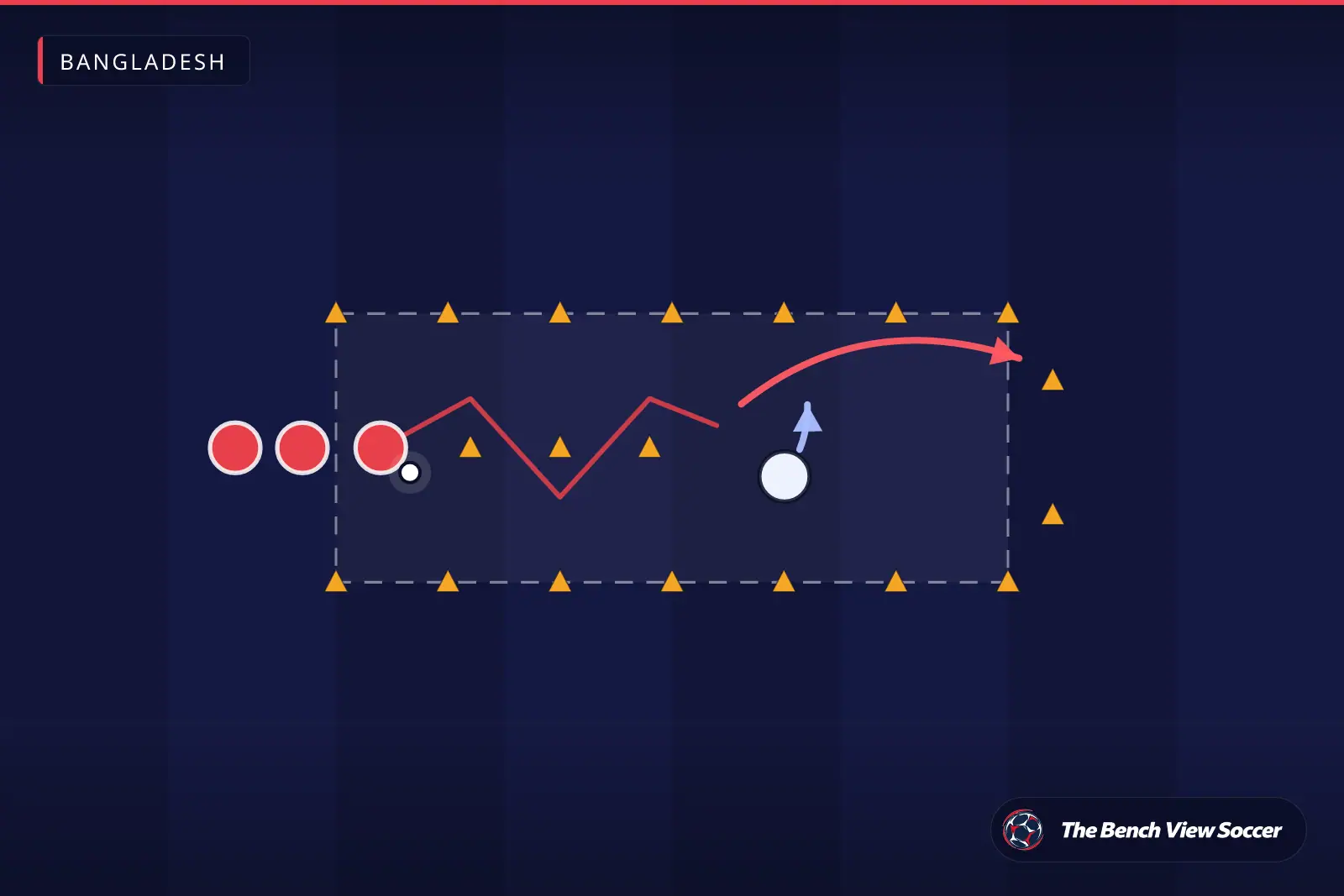
- Train the patterns: Practice build-up from defence, midfield rotations and finishing sequences. Repetition creates muscle memory so players perform the formation instinctively under pressure.
- Adjust to opponents: Study opposition systems. Against a two-striker side, consider a 4-5-1/4-1-4-1 to congest midfield. For weaker full-backs, use inverted wingers or overlapping wing-backs to exploit space.
- Iterate and simplify: Start with a base formation and add one tactical layer per week—press shape, set-piece routines, and in-game transitions. Simplified instructions help motivated youth players grasp concepts quickly.
What are real examples from Bangladesh Premier League?
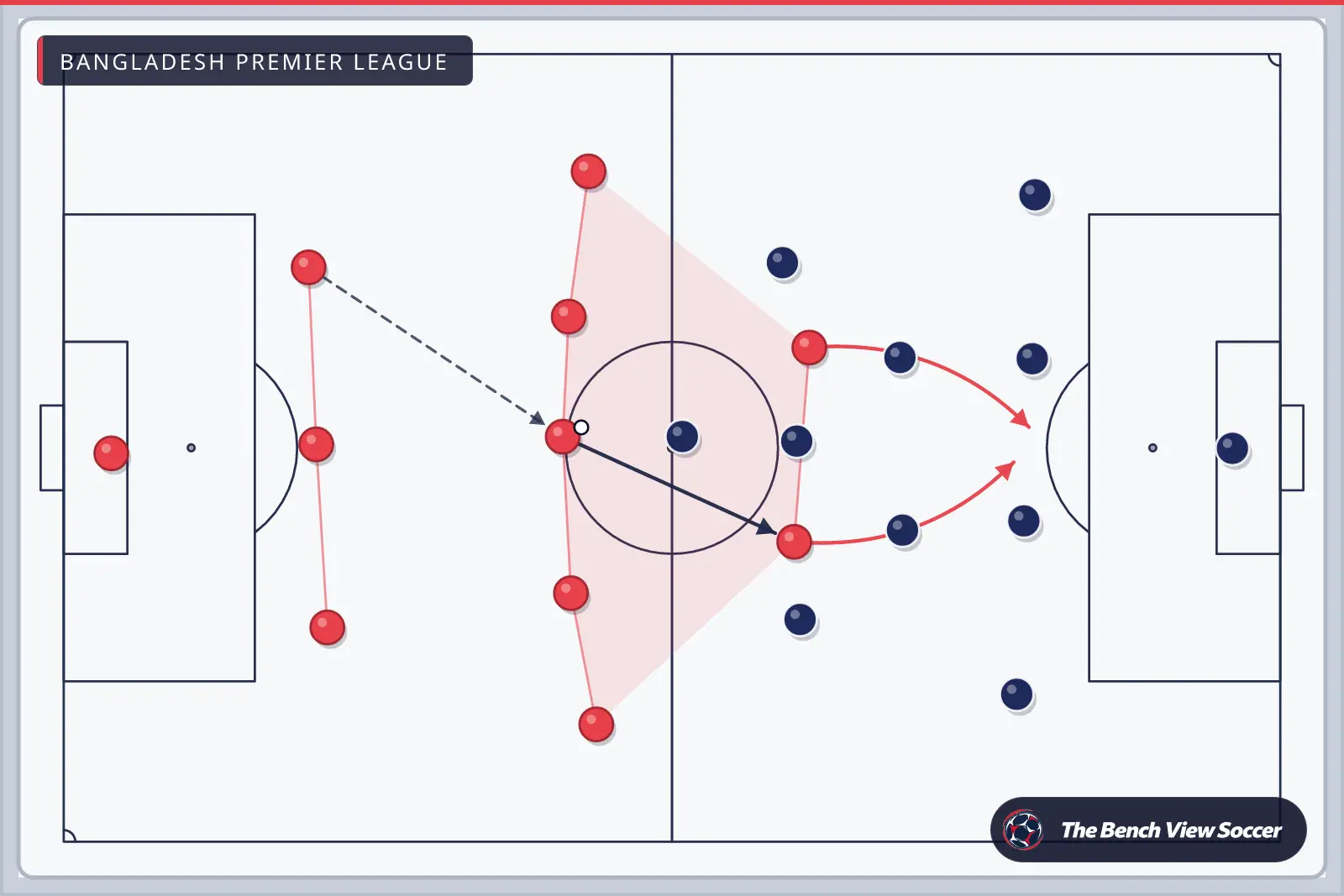
Bashundhara Kings frequently use a flexible 4-2-3-1, giving them defensive cover with two pivots and creativity through the three attacking midfielders—ideal when they dominate possession and try to control BPL tempo. Abahani Limited has alternated between 4-3-3 and 4-4-2 depending on personnel; the 4-3-3 gives width and pressing ability while 4-4-2 helps in quick counter transitions.
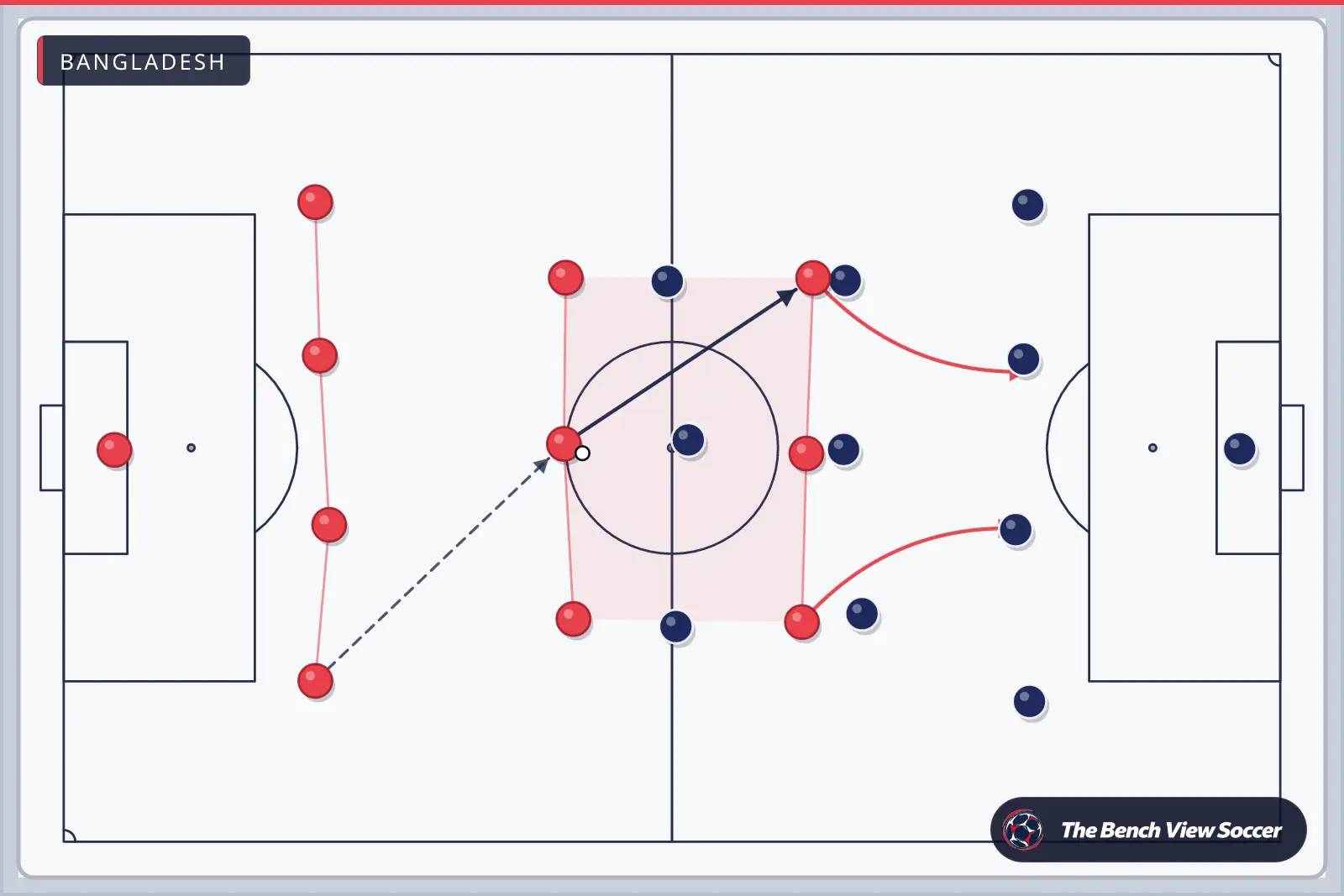
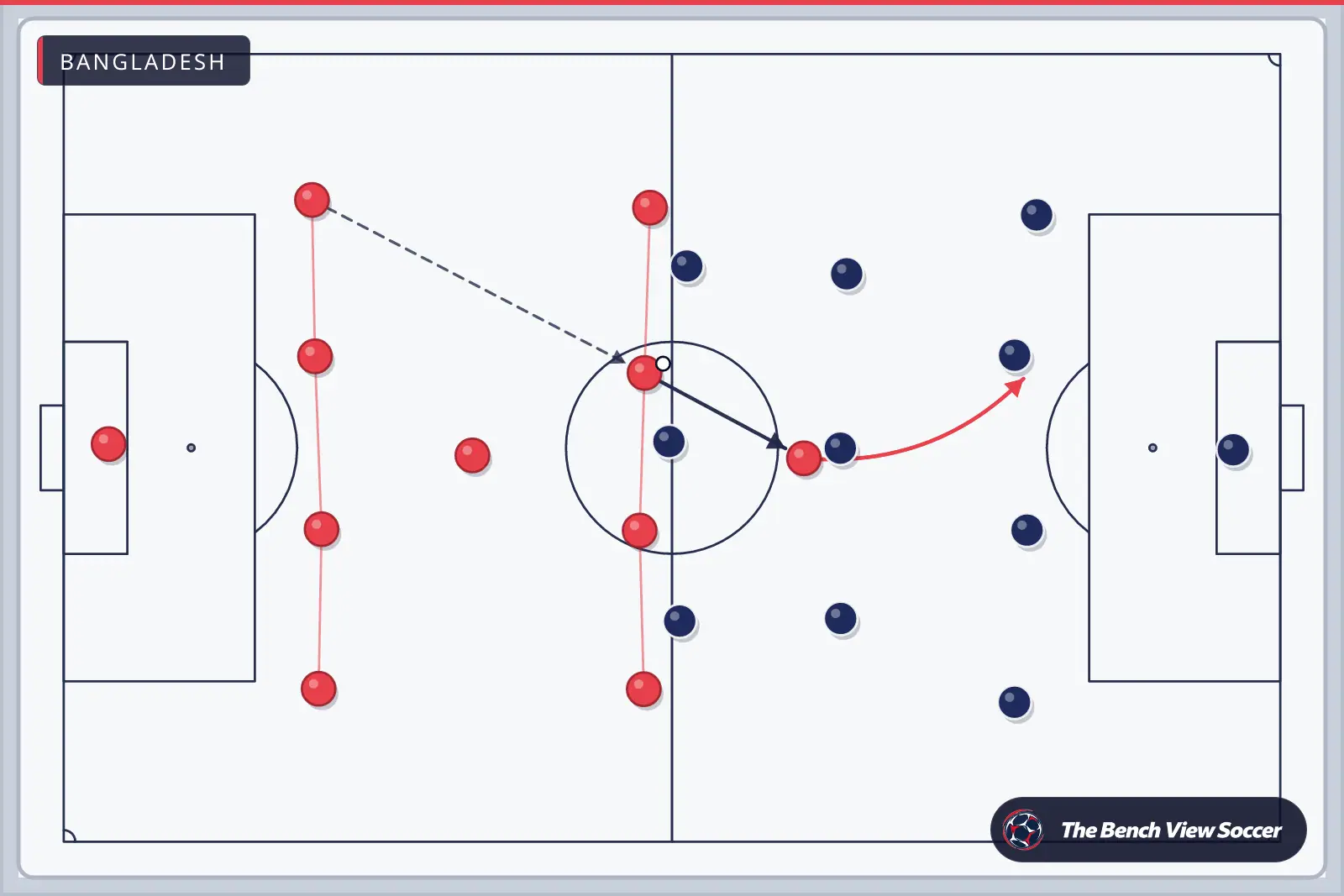
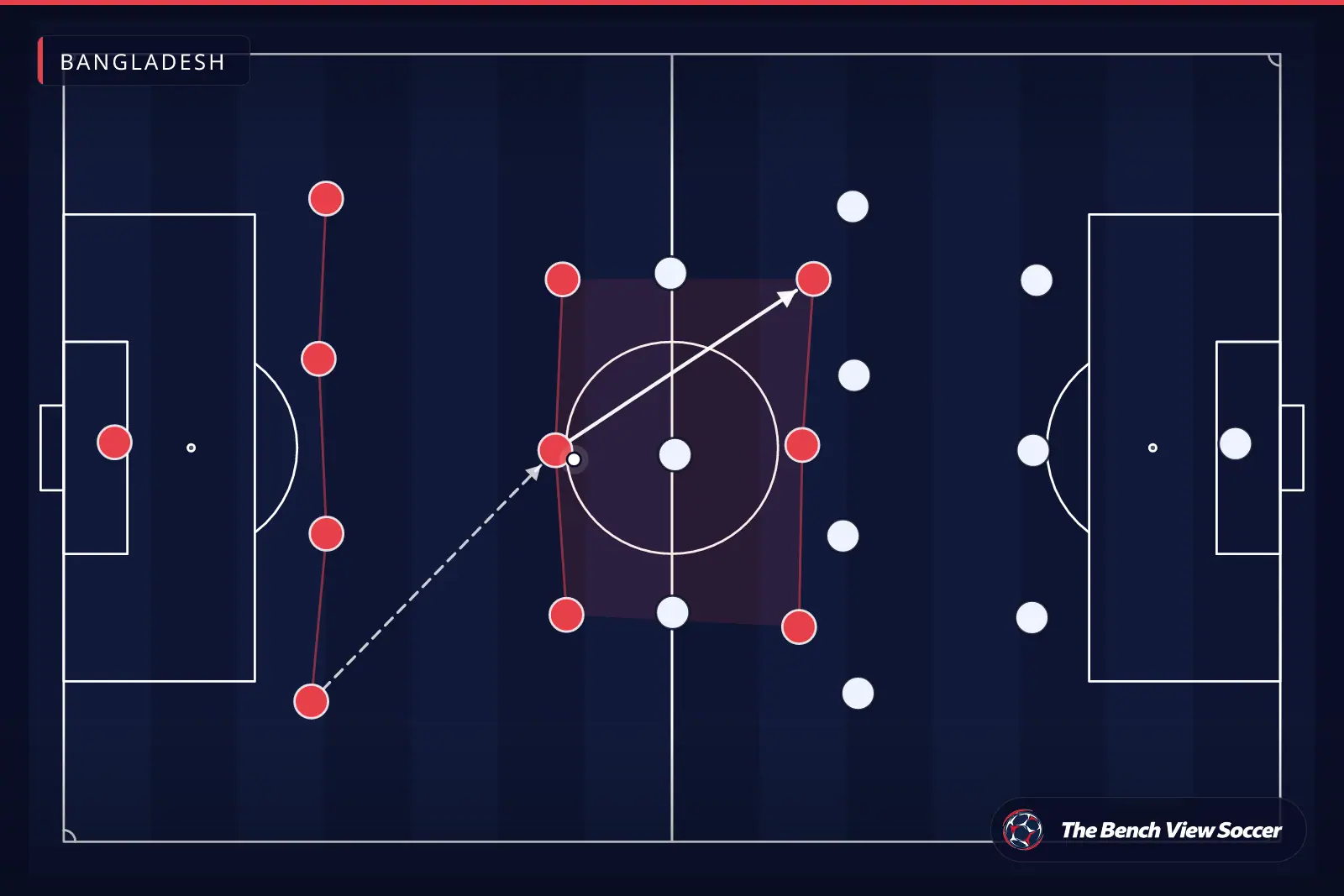
The Bangladesh national team in SAFF Championship has often favored compact shapes like 4-5-1 or 4-1-4-1 to protect the central areas and hit on counter-attacks via quick wingers. In AFC Cup fixtures, teams that adopt a 3-5-2 can overload midfield but must train wing-backs extensively to avoid being exposed in transition.
Best tips to choose the best football formations Bangladesh?
- Match formation to player profiles: build around your strongest individual traits rather than forcing unpopular systems.
- Prioritize mid-block or low-block discipline if you lack high-press fitness—structure wins games in congested matches.
- Develop two core formations (e.g., 4-2-3-1 and 4-3-3) so players master switching mid-game.
- Use youth games to test new roles—rotate a midfielder into a holding role or train a winger as an inverted forward.
- Work set pieces and transitions within the formation: many matches at BPL level are decided by tactical details on dead balls.
Mistakes to avoid?
- Don’t pick a formation that ignores player strengths—forcing a false 3-4-3 with slow full-backs creates exploitable gaps.
- Avoid over-complication: too many tactical instructions confuse youth players; keep core responsibilities simple.
- Failing to practice transitions: many goals come in moments of turnover. Train reactive shapes and recovery runs.
- Ignoring stamina and squad depth: some formations demand high work-rate (e.g., 3-5-2 wing-backs). Ensure you can sustain it across 90 minutes and substitutes.
Frequently Asked Questions?
Which formation is best for young Bangladeshi players?
For youth development, start with a balanced 4-3-3 or 4-2-3-1. These systems teach width, central control and clear defensive responsibilities, creating a base for players to learn pressing, build-up play and attacking rotations that translate to senior football.
Related Resources
Can small clubs in Bangladesh use 3-5-2 successfully?
Yes, but only if you have disciplined wing-backs and a compact centre-back trio. 3-5-2 can dominate midfield and create overloads, but it exposes wide areas if wing-backs lack stamina or experience.
How should a coach switch formations mid-game?
Switch with like-for-like personnel changes and clear role instructions: for example, convert 4-3-3 to 4-2-3-1 by dropping a striker into midfield and asking full-backs to hold. Practice this change in training so players understand movement cues.
What formation helps against stronger AFC Cup opponents?
Against technically superior sides, compact systems like 4-5-1 or 4-1-4-1 help reduce space between lines and force opponents wide. Then, use quick counter-attacks and set-piece routines to create scoring chances.
Start our free courses on The Bench View Soccer.