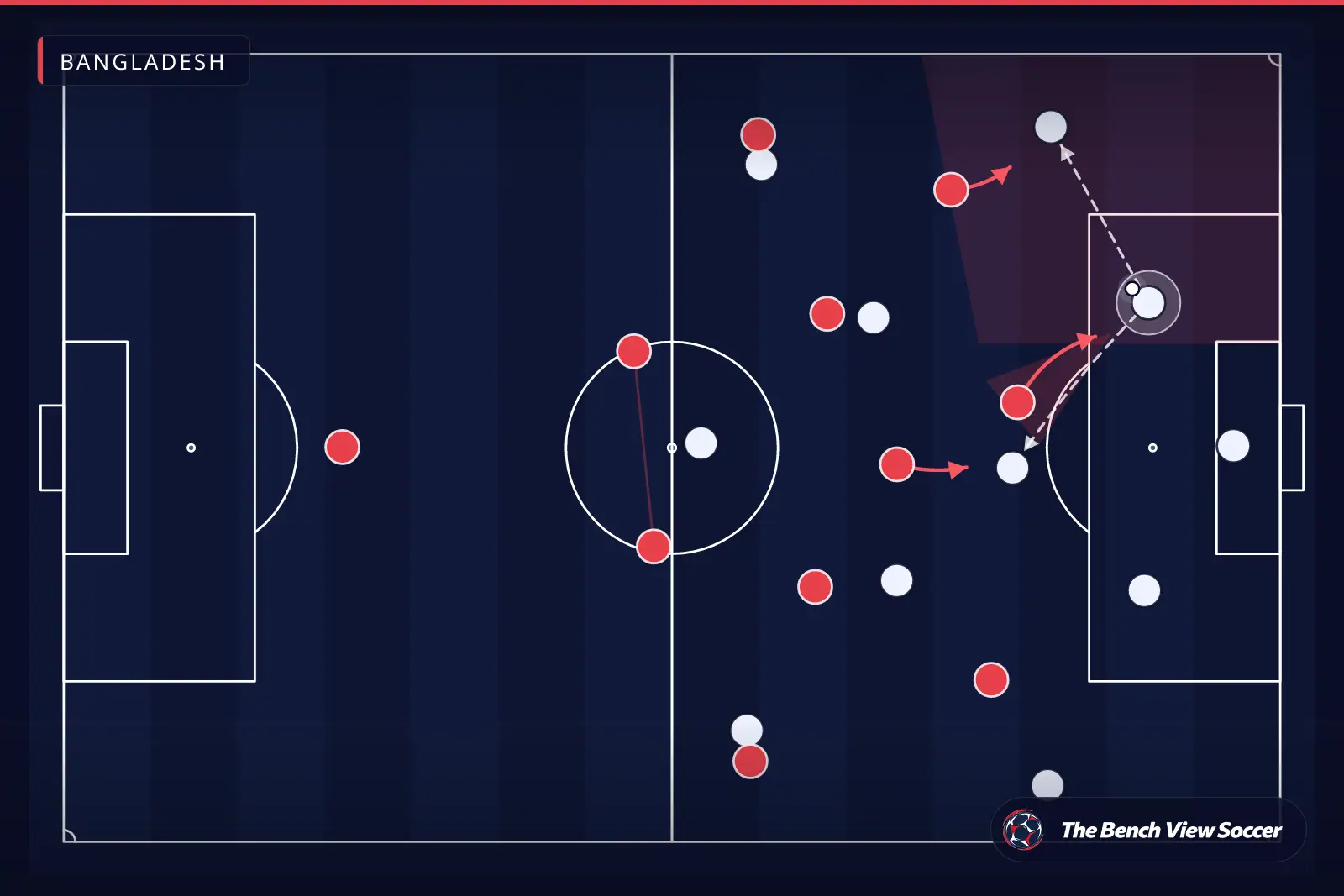
football pressing tactics Bangladesh
Bangladesh’s football scene — driven by the Bangladesh Premier League, Bashundhara Kings, Abahani Limited and a booming youth movement — needs smart pressing more than ever. Players and coaches can use modern pressing patterns to dominate possession, force mistakes, and turn defense into fast attacks at club and national level.
This guide gives motivated players a clear, practical path to understand and implement football pressing tactics Bangladesh-style: simple principles, five steps to train, local examples from the BPL, top tips and common mistakes to avoid.
What is football pressing tactics?
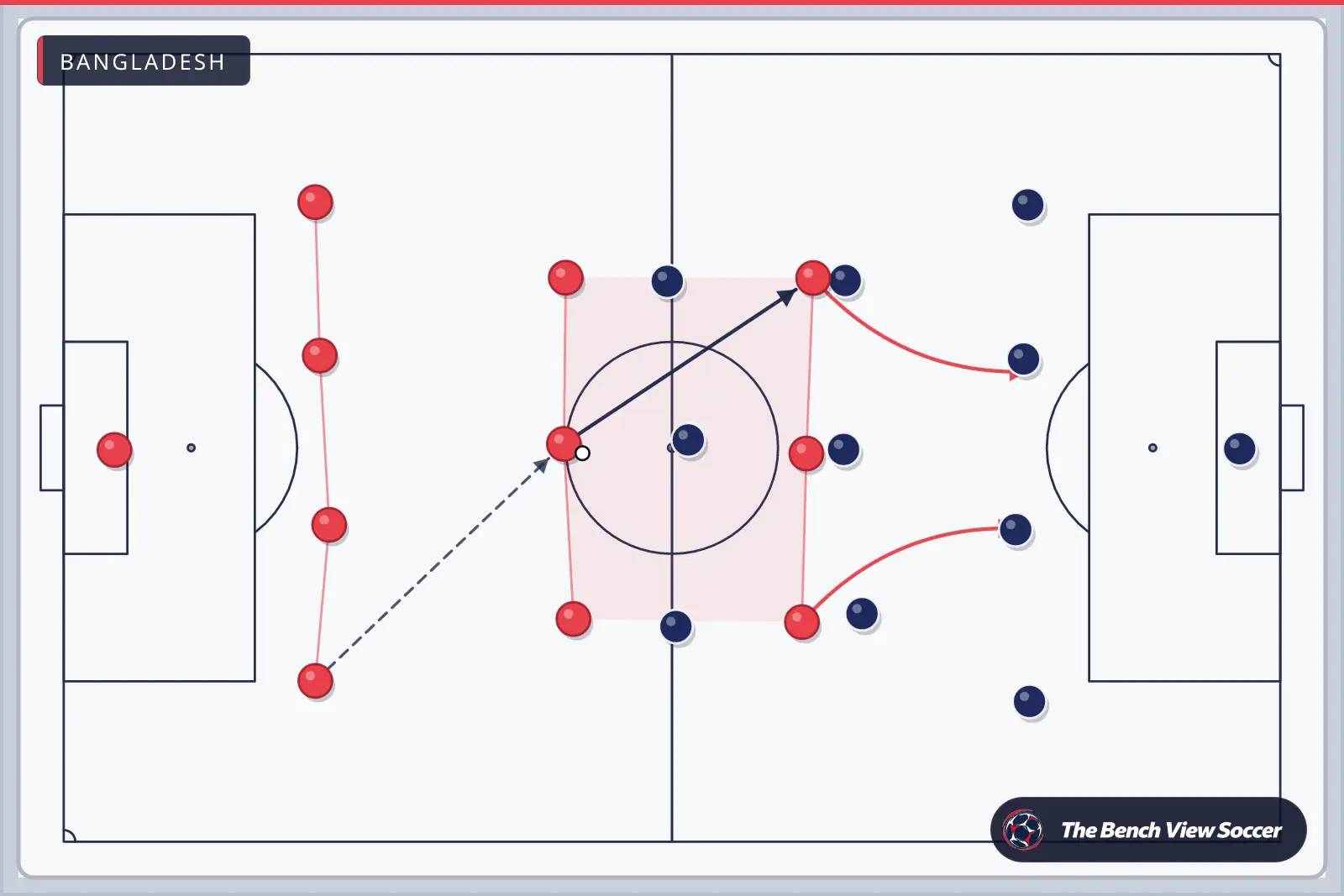
Football pressing tactics are coordinated team actions designed to close down opponents quickly after they receive the ball, limit passing options and force turnovers in high-risk areas. Pressing can be high (near opponent goal), mid, or low (defensive block) and relies on timing, triggers, and collective movement.
How to implement pressing in Bangladesh?
Follow these five practical steps, designed for players training in Bangladesh’s climatic, pitch and tactical conditions:
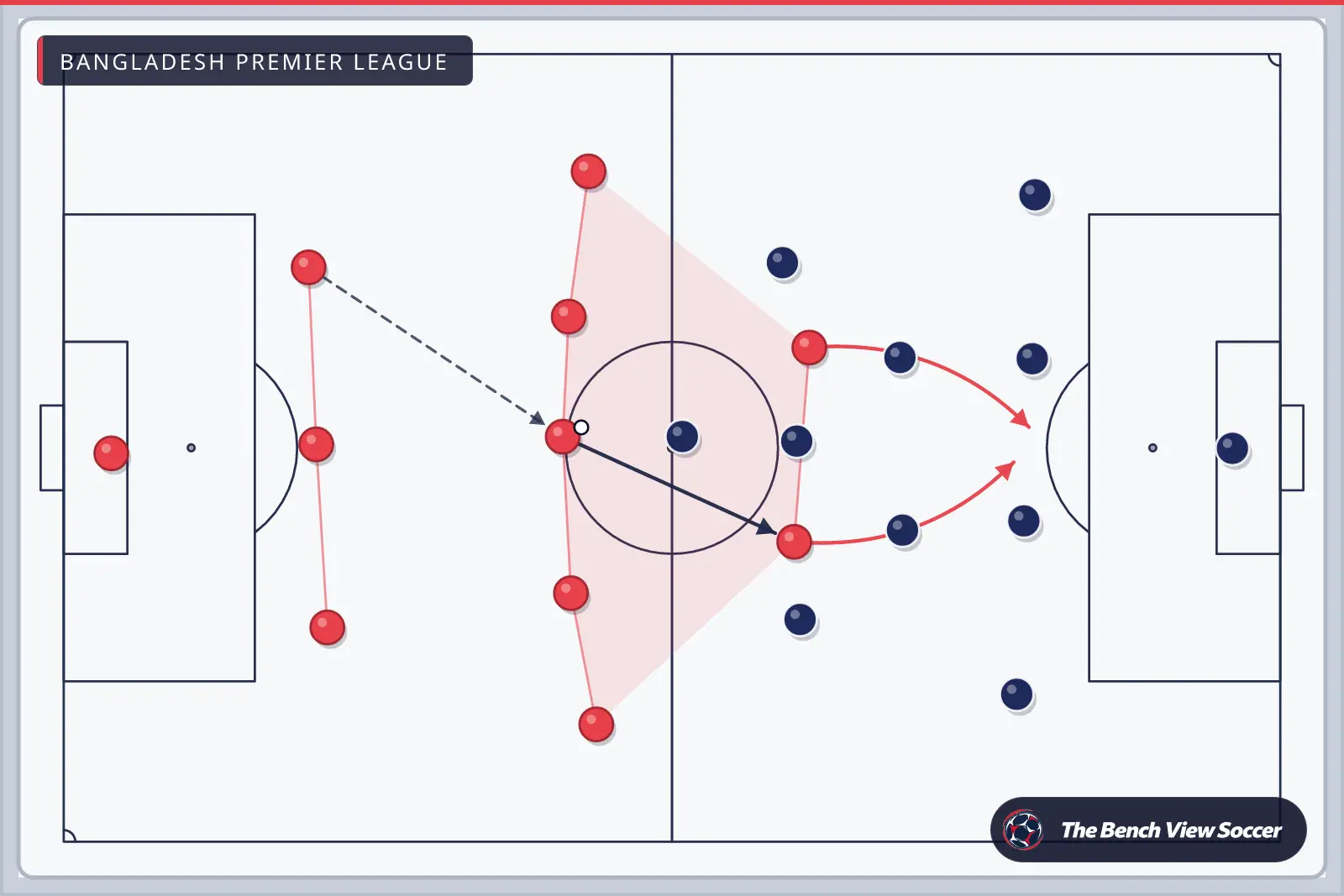
- Set your pressing style: Choose high press, mid-block, or low block based on squad fitness and opponent. BPL teams with fast forwards often benefit from a high or mid press to exploit technical lapses.
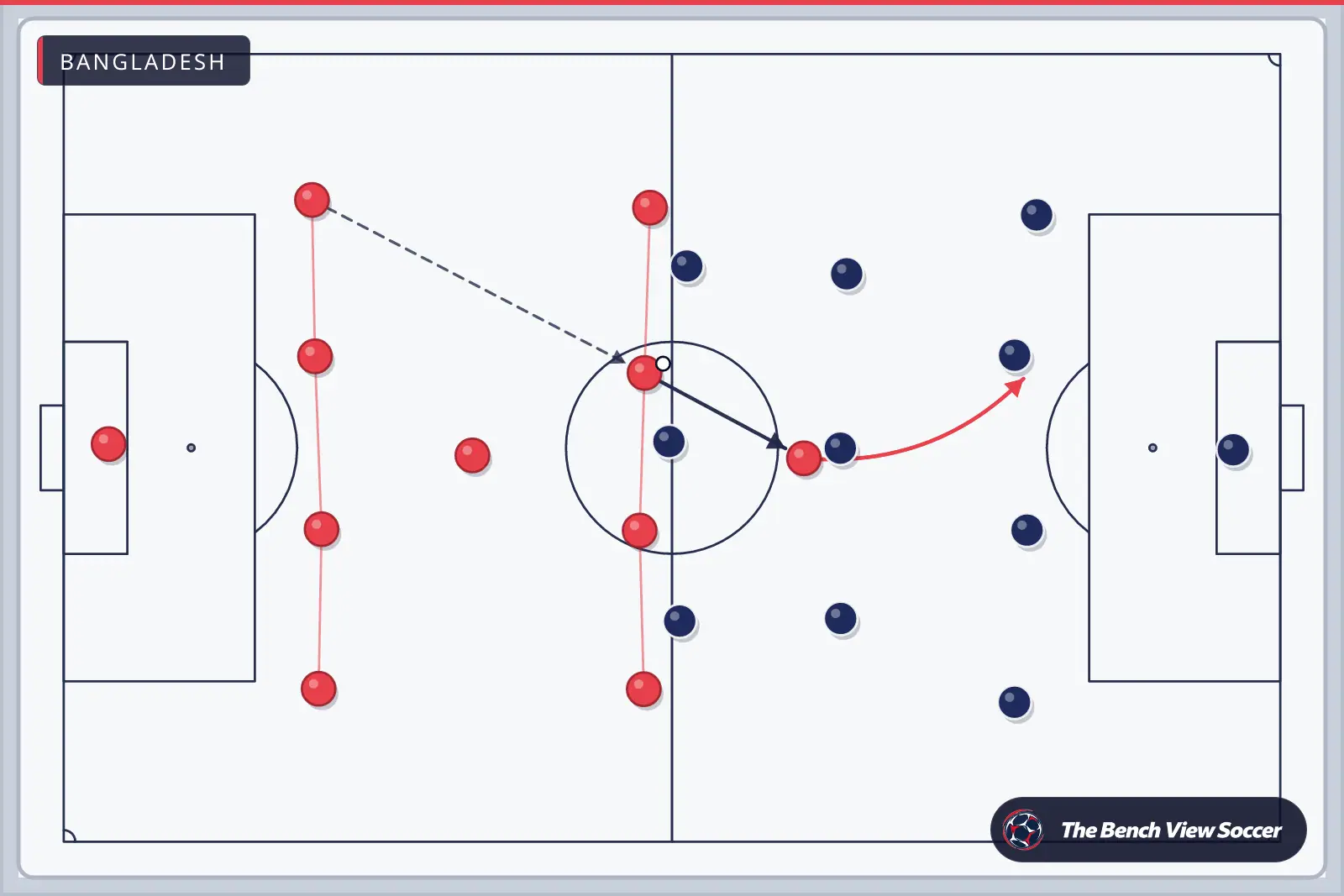
- Train clear triggers: Define triggers: back pass to centre-backs, sloppy first touch, wide full-back receiving with head up. When the trigger appears, the nearest forward or midfielder must initiate pressure.
- Synchronize movements: Practice timed steps: first defender presses the ball; immediate cover shadow covers passing lane; nearest midfielder squeezes the pocket. Work on 2–3 second windows where team compresses space.
- Work on transitions: Emphasize winning the ball and quick forward passes or vertical runs. Use small-sided games that reward possession wins with immediate counter-attacks to reinforce decision-making.
- Condition and recover: Pressing costs energy. Include interval conditioning, recovery rotations (substitutions or role swaps), and practice switching between press styles during matches to manage stamina.
What are real examples from the Bangladesh Premier League?
Bashundhara Kings often use coordinated high pressing to pin opponents deep and create chances for their quick attackers. Abahani Limited mixes mid-block pressing with swift counters, inviting long ball mistakes and then exploiting the gap with creative midfielders. In AFC Cup matches, BPL sides tightened their low block against superior possession teams and pressed selectively in the opponent’s third.
At youth levels, academies mirror these models: focusing on trigger-based pressing, close passing lanes, and quick transitional finishing. Watch BPL match replays for concrete examples of pressing triggers, rotations and recovery runs adapted to Bangladesh’s pitches and tempo.
What are the best tips to press effectively?
- Communicate constantly: calls like “step”, “left”, “cover” stop hesitation and speed up pressing timing.
- Practice role clarity: each player must know when to press, when to cover, and who takes the second ball.
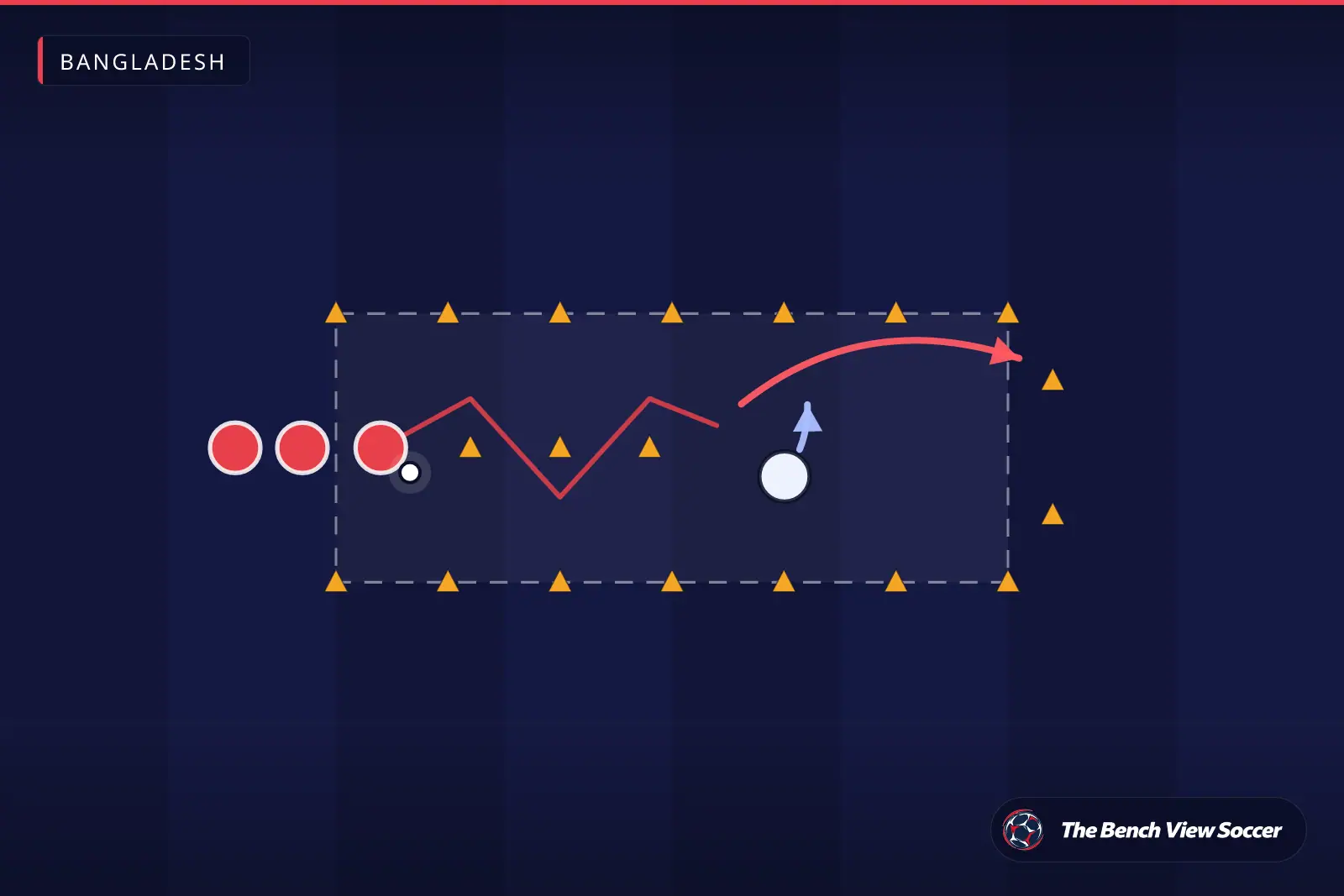
- Train pressing in phases: start with 3v3 drills, progress to 7v7, then full team patterns to replicate match intensity.
- Use video review: analyze moments when shots or crosses came from turnovers to refine pressing targets and positions.
- Manage load: rotate pressing players and use substitutions strategically in the hot and humid BPL schedule.
What mistakes should teams avoid?
- Pressing too early without triggers — leading to gaps behind forwards and exploited counters.
- Individual chasing — a single player overcommitting breaks team shape and opens long passes to goal.
- Poor recovery planning — failing to assign cover players or protect central channels after failed presses.
- Ignoring match context — high press against a fast counter-attacking opponent without speed can be suicidal.
Frequently Asked Questions?
How do I choose high vs mid vs low press?
Choose high press when you have fast forwards and the opponent’s defenders struggle with the ball. Use mid-block when you balance pressure and safety. Low block fits when protecting a lead or facing technically superior opponents; pick based on fitness, opponent strengths, and match minutes remaining.
What physical drills speed up pressing performance?
Interval sprints, shuttle runs, and small-sided 4v4 pressing games build the repeated high-intensity efforts required. Also include reactive drills where a coach triggers a press call to force quick decision-making under fatigue.
How do youth players learn pressing safely?
Start with simple concepts: stay compact, press one side, practice cover roles. Use small-sided games and encourage mistakes. Focus on technique and decision-making before full-energy team-wide pressing to reduce injury risk and confusion.
Can pressing increase scoring chances in BPL matches?
Yes — effective pressing creates turnovers in dangerous areas, leading to quick transitions and high-quality chances. BPL clubs that press well often convert regained possession into shots inside the box, increasing goal probability.
Start implementing these football pressing tactics Bangladesh-style in your next training. Focus on triggers, role clarity, conditioning and watching BPL examples. For structured learning and drills, Start our free courses on The Bench View Soccer.