

Mikel Arteta has publicly set Arsenal the objective of matching Manchester City’s historic 100-point Premier League campaign, while Manchester City approach the trip to the Emirates having shown recent fragility. City’s early-season sequence has one win in seven matches across competitions, a heavy defeat at Anfield and questions over their defensive solidity — all providing a high-stakes tactical test when they face Arsenal, who have been described as "watertight" defensively.
What happened
Arteta announced that Arsenal have a target to reach 100 points in the Premier League, pointing to Manchester City’s 2017-18 season when City, with Pep Guardiola and with Arteta as an assistant, recorded that landmark. Ahead of the upcoming meeting, City travel to the Emirates trailing Arsenal by six points. Manchester City’s recent sequence of results has been poor: they have recorded one win in seven matches and did register a victory on penalties against Brighton in the Carabao Cup. The run has included a 3-0 loss at Anfield and has coincided with the club receiving guilty verdicts related to Premier League financial rules. Enzo Maresca has warned that City and Arsenal cannot be straightforwardly compared, and media coverage has highlighted Arsenal’s defensive solidity in contrast to City’s leaky form.
The tactical reading
The juxtaposition of Arsenal’s defensive reputation and City’s recent defensive problems suggests the coming match will be a study in structural discipline versus transitional vulnerability. Arsenal being described as "watertight" points to a side that organizes its defensive lines, limits space between units and forces opponents into predictable channels. Against a City side whose defence has been labelled "leaky," the contest will likely centre on whether Arsenal can maintain compactness and deny City clear passing lanes through the middle.
City’s turbulent run and the 3-0 defeat at Anfield hint at lapses in concentration and collective coordination at moments of defensive transition. A sequence of poor results typically exposes weaknesses in how a team recovers its shape after losing possession, how it defends the half-space corridors and how its full-backs and centre-backs communicate under pressure. The tactical challenge for City will be to reconcile their usual possession-first identity with the need for more conservative, risk-managed defensive work to stop immediate counterattacks and prevent overloads in wide areas.
From Arsenal’s perspective, chasing a 100-point season implies sustained attacking efficiency as well as defensive resilience. The tactical blueprint that leads to very high point totals often balances proactive pressing in the opponent’s half with quick vertical transitions when possession is won. For a coach or player studying this matchup, the key is how Arsenal can blend low-risk defensive positioning with incisive moments of forward movement that punish City's transitional disorganisation.
The trade-offs are instructive. If City push to regain form and press higher, they risk exposing the spaces in behind their full-backs and between the centre-backs in the event of rapid Arsenal counters. Conversely, if City sit deeper to plug gaps, they may cede control of possession and territory, inviting Arsenal to probe patiently until a defensive miscue opens a scoring chance. Both teams must balance aggression with discipline: Arsenal to maintain the clean, compact shape required to reach seasonal ambitions; City to arrest a negative run without creating new vulnerabilities.
Key tactical points
- Compact defensive blocks: Arsenal’s described solidity suggests they will aim to keep lines close to limit City’s access to central channels.
- Transition defence for City: recent form points to the need for better immediate defensive reactions after losing the ball to avoid quick Arsenal counters.
- Wide overloads vs. half-space control: the battle in the half-spaces and on the flanks will decide how each side creates or prevents overloads.
- Risk management under pressure: City must choose when to press and when to protect their defensive shape to stop conceding dangerous chances.
- Attacking efficiency under a points target: Arsenal must convert territorial control into decisive actions that maintain their title ambitions while staying defensively disciplined.
What to watch next
Watch how Arsenal manage the balance between pressing to force turnovers and remaining compact to prevent counters. Will they invite City to have the ball and defend in disciplined layers, or will they press aggressively to disrupt build-up and create immediate scoring opportunities?
For City, observe adjustments in transitional defensive structure: do they streamline passing risks from deeper positions, do full-backs tuck in to form more robust central units, or do they attempt to regain their attacking identity at the expense of defensive solidity? Those choices will indicate whether Maresca prioritises short-term correction or a return to familiar patterns.
Train it
Drill: 8v8 continuous transition rondo with directional goals to train compact defensive shaping and rapid counter transitions. The exercise simulates winning the ball and launching quick vertical attacks while forcing the defending unit to re-organise immediately.
- Set-up: two 20x30m grids end-to-end with small goals at each end; teams play in one grid and, on turnover, direct the ball into the far grid to attack the opposite mini-goal.
- Coaching point 1: emphasize immediate body-shape and positioning on loss of possession — nearest players must delay attackers while others compress central lanes.
- Coaching point 2: on winning the ball, drill quick vertical passing options and support angles to exploit transitional spaces before defenders recover.
- Coaching point 3: reward disciplined defensive realignment and punish slack recovery runs; rotate players’ roles so defenders practice both delaying and compacting as a unit.
Sources
- The Guardian: Arteta sets Arsenal 100-point Premier League target to emulate Manchester City
- BBC Sport: 'I am not a magician' - what can Maresca's Man City learn from watertight Arsenal?
- BBC Sport: Champions League to be a factor in Paz move - Saturday's gossip
- The Guardian: Why have things started to go wrong for Manchester City under Enzo Maresca?
- Sky Sports: Maresca: You can't compare Man City and Arsenal
The Bench View app
Don’t just read football — train it
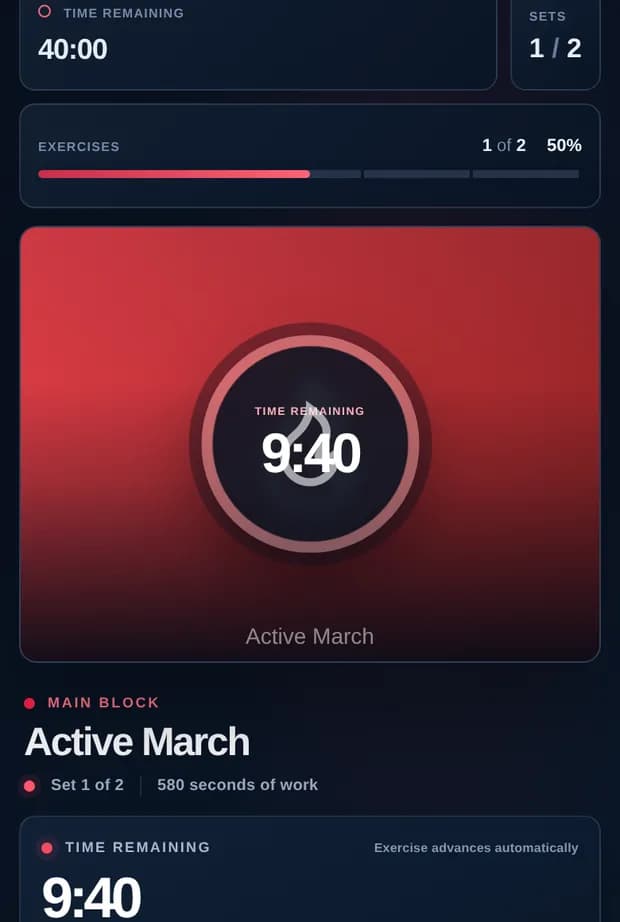
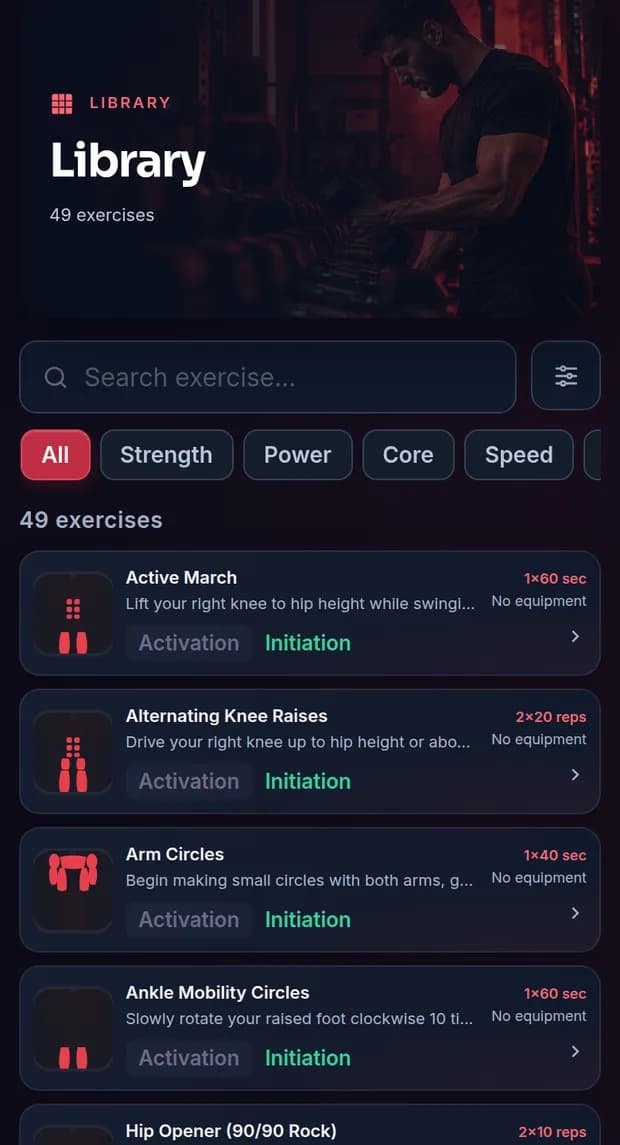
Everything you read here, turned into training you can follow step by step.
Physical training at home
AI daily sessions adapted to your level and position. No equipment needed.
Tactical training courses
Step-by-step courses on positioning, pressing, build-up and decision making.
- 7 days free
- No commitment
- Cancel anytime
Free account: 2 physical sessions + the first tactical course. PRO: 7-day free trial — cancel before day 8 and you pay nothing.
More Analysis
Aston Villa's night in Istanbul and the emergence of George Hemmings: tactical lessons from a late Galatasaray winner
November 27, 2026
Match AnalysisBayern’s Lille setback: depleted XI, an own goal and tensions off the pitch
November 26, 2026
Match AnalysisBellingham’s cameo shifts Madrid’s Champions League night — tactical lessons from a five-star second half
November 26, 2026
Match AnalysisLiverpool’s Belgium performance: efficient, controlled and instructive
November 26, 2026