

A late Deniz Gul strike gave Galatasaray a winner and left Aston Villa on the wrong end of consecutive Champions League defeats. Two days after being thrown into a cauldron in Istanbul during that loss, young George Hemmings arrived at Villa's training base relaxed and seemingly comfortable among the senior staff.
What happened
Aston Villa suffered a defeat in Istanbul when Deniz Gul scored a late winner for Galatasaray, a result that continued a run of successive defeats for Villa in the Champions League. The match saw George Hemmings introduced into a high-pressure environment; he was described as having been thrown into a cauldron in Istanbul. Two days after the game Hemmings attended the club's media centre at Bodymoor Heath in a relaxed fashion, appearing at ease in senior surroundings.
The tactical reading
The picture painted by these facts points to a game decided late, which typically suggests narrow margins and moments where concentration, transitional defending and set-piece organisation become decisive. A late winner implies that one team found a breakthrough at a point when fatigue, game management and tactical discipline often determine outcomes. For a coach, this normally highlights the importance of clear end‑game protocols: when to risk pressing for a goal, when to reorganise shape, and how to allocate defensive roles for the closing minutes.
Introducing a young player such as George Hemmings into this sort of intensity suggests the staff believed his attributes — physical, tactical or psychological — could contribute under pressure. Bringing a youth or inexperienced player into a hostile away setting usually carries trade-offs: potential energy, unpredictability and a fearlessness that can unsettle opponents versus the risk of inexperience in reading nuanced game states, especially late in matches. Hemmings' calm demeanour off the pitch, arriving relaxed and at home in senior settings, points to a mental readiness that coaching teams value when deciding who to expose to high-stress scenarios.
From a structural perspective, a match that ends with a late goal for the visitors indicates the winning side found an extra edge in transition or set pieces late on. That could be the result of tactical substitutions, adjustments in pressing triggers, or exploiting specific matchup advantages as players tire. Defensively, sustaining shape and communication into the final phases is often the difference between maintaining a draw and conceding. For the team that conceded, repeated Champions League defeats also suggest a need to reassess how squad rotation, game management and situational tactics are applied when margins are small.
Finally, the situation underlines how integrating youth players intersects with tactical demands. Clubs that consistently give youngsters purposeful minutes in pressing, defending or counter roles tend to smooth that transition. The decision to deploy a young player in a cauldron-like atmosphere implies a desire to test or accelerate development, but it also imposes responsibility on the coaching team to prepare the rest of the unit to compensate for possible lapses — through clear defensive assignments, simplified roles, or protective midfield cover — particularly when the match is still live and a late goal is a tangible risk.
Key tactical points
- Late goals often reflect breakdowns in communication and organisation in the final phase; end‑game defensive protocols must be rehearsed and clearly assigned.
- Introducing young players in high-pressure matches is a double-edged sword: they can provide energy and unpredictability but require teammates to provide structural protection.
- Game management — including timing of tactical substitutions and changes to pressing intensity — is crucial when matches are decided by fine margins late on.
- Preparing for hostile environments requires both mental acclimatisation of individuals and systemic adjustments (simpler roles, extra cover) to reduce decision load under stress.
- Repeated close defeats at a competition level point to the need for targeted rehearsal of situational scenarios (e.g., defending a narrow lead, pressing for an equaliser) in training.
What to watch next
Watch how the coaching staff manage the integration of young players like Hemmings in subsequent fixtures: will they continue to deploy him in high-pressure moments, or will his minutes be phased to limit exposure to late-game critical situations? The handling of squad rotation and substitutions in upcoming matches will reveal whether the staff prioritise immediate results or longer-term development and resilience building.
Also observe the team's approach to closing out matches. Will they implement clearer end‑game procedures — such as tightened defensive shape, altered pressing triggers, or personnel changes to protect vulnerable channels — after suffering a late decisive goal? The tactical adjustments, or lack of them, will indicate whether the club sees this as an isolated lapse or a recurring structural issue to be corrected.
Train it
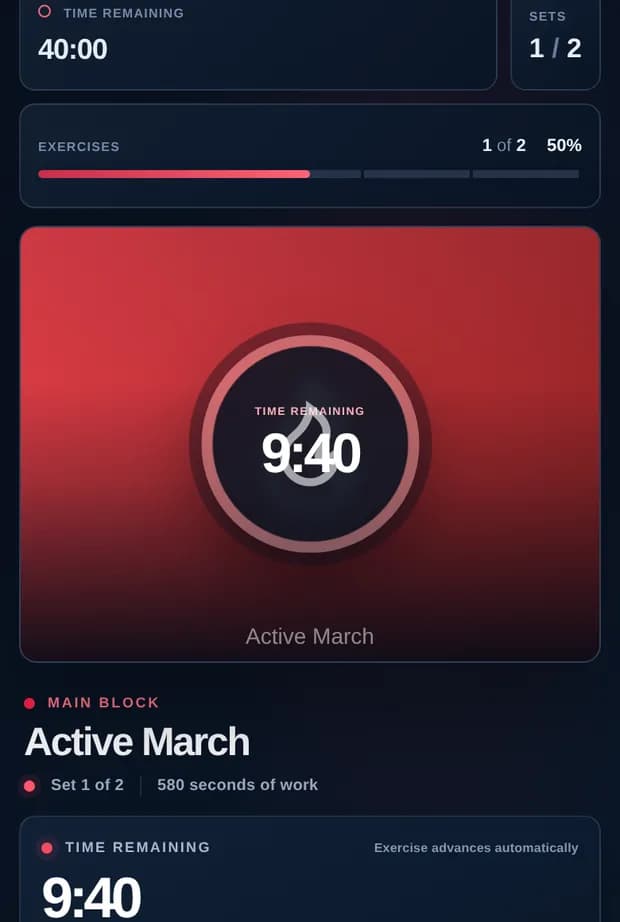
Drill: End‑game transitional rondo focused on organisation and composure under pressure. Create a scenario where the defending team must protect a narrow lead for the final several minutes while facing controlled attacking sequences and randomised restart events that simulate late-game uncertainty.
- Coaching point 1: Emphasise clear role cues — who steps to press, who drops, and who covers the channel — so decisions are automatic under fatigue.
- Coaching point 2: Add conditioned restarts (e.g., quick free kicks, throw-ins) to train concentration and communication at stoppages.
- Coaching point 3: Rotate a young player into the protected unit so teammates rehearse providing structural cover and reducing his decision load during critical moments.
Sources
The Bench View app
Don’t just read football — train it
Everything you read here, turned into training you can follow step by step.
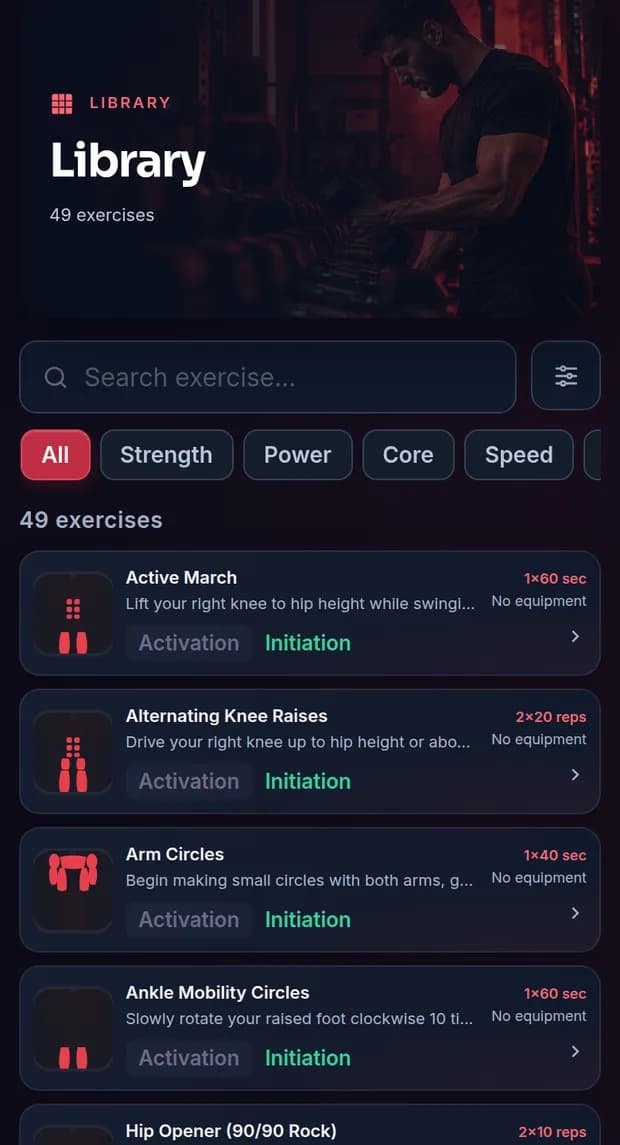
Physical training at home
AI daily sessions adapted to your level and position. No equipment needed.
Tactical training courses
Step-by-step courses on positioning, pressing, build-up and decision making.
- 7 days free
- No commitment
- Cancel anytime
Free account: 2 physical sessions + the first tactical course. PRO: 7-day free trial — cancel before day 8 and you pay nothing.
More Analysis
Bayern’s Lille setback: depleted XI, an own goal and tensions off the pitch
November 26, 2026
Match AnalysisBellingham’s cameo shifts Madrid’s Champions League night — tactical lessons from a five-star second half
November 26, 2026
Match AnalysisLiverpool’s Belgium performance: efficient, controlled and instructive
November 26, 2026
Match AnalysisHow Lille's two-minute swing exposed Bayern's balance — tactical analysis of a shock result
November 26, 2026