

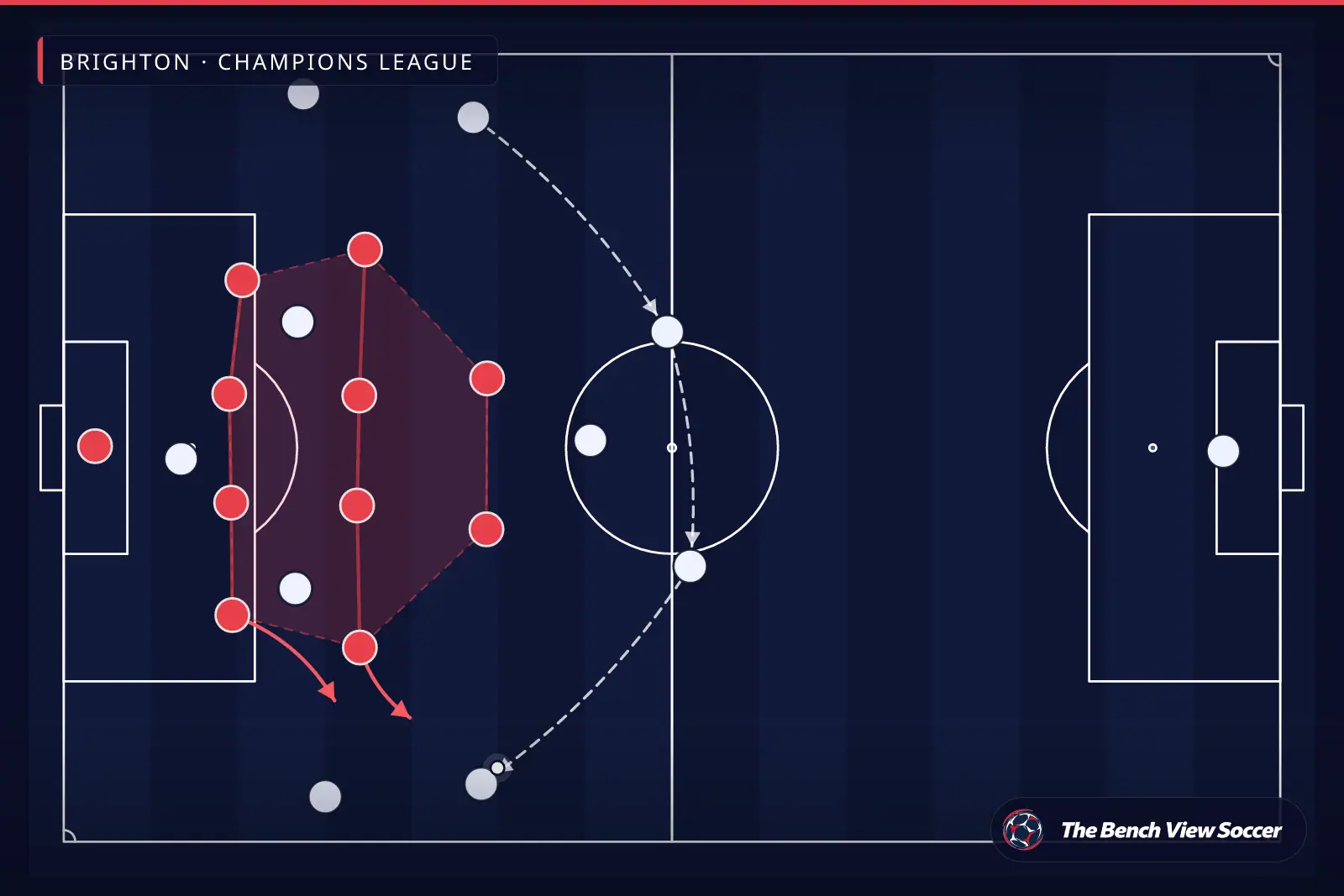
Brighton recorded their first away league victory at Manchester City, winning 1-0. Yasin Ayari’s early strike proved decisive, with goalkeeper Bart Verbruggen producing a standout individual performance. The result condemned Manchester City to back-to-back Premier League defeats and left Brighton sitting third in the table.
What happened
Brighton took the lead in the 11th minute when Yasin Ayari scored after a sequence that began with a set-piece incident; The Guardian described the goal as deriving from what appeared to be a wrongly awarded free-kick for Elliot Anderson’s foul on Ayari. The move that produced the finish involved a cross from Diego Gómez from the right which Matheus Nunes failed to intercept, allowing the ball to come back across goal via Maxim De Cuyper and creating Ayari’s opportunity. Manchester City’s manager Enzo Maresca publicly lamented “silly” errors and individual mistakes as the reasons for the defeat. Bart Verbruggen was singled out for an impressive display in goal as Brighton held firm to protect their lead. The result represented Brighton’s first league win at Manchester City and resulted in Manchester City suffering consecutive Premier League losses.
The tactical reading
The details point to a Brighton approach that combined opportunism on set-piece or transition moments with disciplined defensive organisation. An early goal founded on a contentious set-piece and a cross from the right that City failed to clear suggests Brighton were prepared to exploit quick restarts and aerial work on the flank; they converted from a second-phase situation once City mishandled the defensive responsibilities. That sequence underlines how small moments — a free-kick, a missed clearance, and an accurate follow-up cross — can define high-level games.
Verbruggen’s standout individual performance implies Brighton’s defensive shape allowed their goalkeeper to make a number of crucial interventions. When a keeper is described as “man of the moment” it typically indicates they faced sustained or high-quality threats and managed them with positioning, shot-stopping and command of the area. Brighton’s gameplan likely prioritised compactness and concentration in the defensive third, with the goalkeeper prepared to make decisive saves to preserve a narrow lead.
For Manchester City, the match exposed the costs of errors in transitional moments and set-pieces. The specific breakdown — a missed interception of a cross by a right-sided defender and a subsequent finish from close range — points to responsibility in the defensive wide channels and in the management of second-phase balls arriving across the face of goal. Maresca’s emphasis on “silly goals” suggests the team’s usual fast-passing identity was undermined by lapses in routine defensive tasks, particularly in moments when attention to simple clearances and marking should be automatic.
The Brighton victory also highlights trade-offs between pressing to regain the ball high and maintaining defensive solidity. Brighton’s ability to protect a single-goal advantage indicates a willingness to sit deeper, absorb pressure and force City into low-probability attempts, relying on elite goalkeeping when required. Conversely, City’s commitment to quick passing and forward momentum can leave them vulnerable to errors around the box; the attempt to push through Brighton’s organisation may have stretched players into positions where a single miscue was enough to punish them.
Key tactical points
- Set-piece and restart precision: contentious free-kicks and immediate aerial deliveries can create second-phase chances; teams must train for the chaos that follows quick restarts.
- Clearance responsibility in wide channels: defenders must dominate the near-post and first-phase clearances to deny cutbacks across goal.
- Value of elite goalkeeping: a high-performing keeper can neutralise quantity of attempts and maintain team confidence while under prolonged pressure.
- Cost of minor mistakes: teams that prioritise fast passing must rehearse basic defensive duties to prevent individual errors from deciding matches.
- Game-management when leading away: compact defending and control of transitions can be an effective plan when protecting a narrow advantage against a team dominating possession.
What to watch next
The immediate questions are tactical: will Manchester City alter their defensive protocols on set-pieces and wide crosses to reduce errors, and will they adjust player roles on the right side to prevent a repeat of the missed interception that led to the goal? Observing whether City shifts marking assignments, instructs clearer near-post responsibilities, or changes personnel for those moments will indicate how seriously they view the specific breakdowns highlighted by their manager.
For Brighton, watch how they balance defending leads away from home with opportunities to press higher. Will they continue to rely on disciplined defensive blocks and the goalkeeper’s ability to bail them out, or will they apply more proactive counter-pressing when in possession to create more high-quality transitions? Both scenarios will reveal whether this performance is a replicable tactical template or a result built around discrete moments and strong individual displays.
Train it
Exercise: "Cross-to-Clear/Finish" drill — a simulated defensive scenario to train first-phase interceptions on wide crosses, immediate second-phase threat management, and goalkeeper reactions. The drill recreates a wide free-kick/cross situation followed by the ball returning into the box, forcing defenders to practise decisive clearances and coordination with the goalkeeper.
- Coaching point 1: Emphasise near-post and first-contact dominance for the nearest defender — clear the ball physically and decisively to prevent cutbacks.
- Coaching point 2: Train the goalkeeper to anticipate second-phase trajectories and communicate early to organise defenders’ marking and clearing duties.
- Coaching point 3: Rehearse defensive recovery runs and blocking lines for attackers positioned across the goal, reducing the chance of unmarked follow-up shots.
Sources
- BBC Sport: Brighton pick up first away league victory over Man City
- BBC Sport: Verbruggen spreads belief as impressive Brighton beat Man City
- The Guardian: Enzo Maresca rues ‘silly’ errors after Manchester City defeat against Brighton
- Sky Sports: Brighton condemn Man City to back-to-back PL defeats
- The Guardian: Ayari on target as Brighton stun Manchester City to close gap on leaders
The Bench View app
Don’t just read football — train it
Everything you read here, turned into training you can follow step by step.
Physical training at home
AI daily sessions adapted to your level and position. No equipment needed.
Tactical training courses
Step-by-step courses on positioning, pressing, build-up and decision making.
- 7 days free
- No commitment
- Cancel anytime
Free account: 2 physical sessions + the first tactical course. PRO: 7-day free trial — cancel before day 8 and you pay nothing.
More Analysis
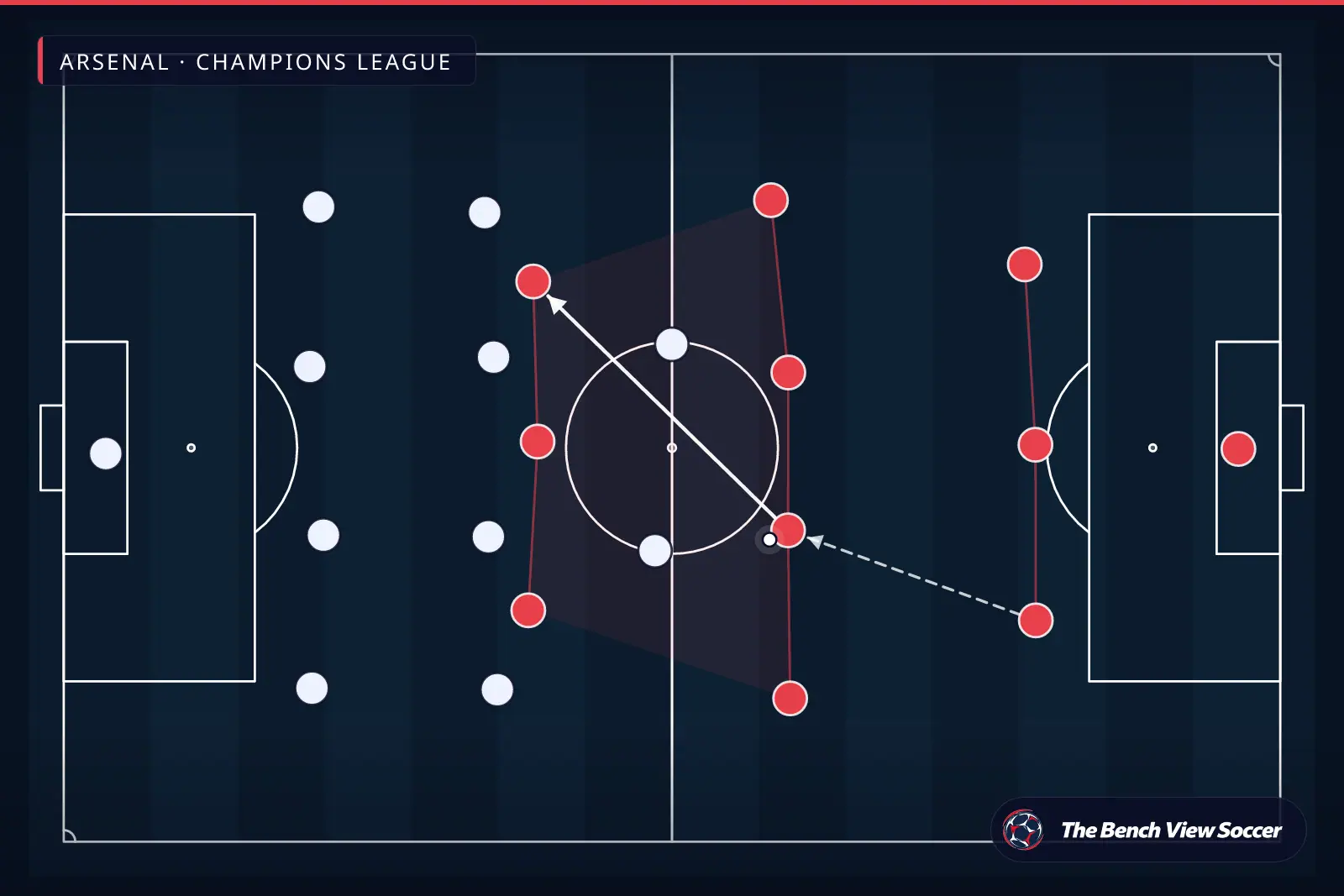
Russo hat-trick sends Arsenal second — tactical lessons from the Benfica win
October 31, 2026
Liverpool’s Anfield test: what recent form says — and what to work on before Arsenal
October 30, 2026
City’s profligacy punished as late PSG leveller leaves questions over game management
October 30, 2026
How Chelsea’s unbeaten run vs Roma reveals a clearer tactical identity
October 29, 2026