

Alessia Russo scored a hat-trick as Arsenal beat Benfica 3-0 in the Women’s Champions League, a performance that made her the highest English goalscorer in the competition. The victory moved Arsenal up to second in their league phase table. Manager Renée Slegers praised Russo’s leadership and her connection with teammates, saying the side had "found a nice dynamic" over the last two games.
What happened
Alessia Russo produced a three-goal haul to secure a 3-0 win for Arsenal over Benfica in a Women’s Champions League fixture. Russo’s goals put her into the record books as the top English scorer in the competition. The win elevated Arsenal to second place in their league phase table. After the match Renée Slegers described the squad as having developed a positive dynamic across the last two fixtures and singled out Russo as a leader who cares for teammates and "connects well" with them.
The tactical reading
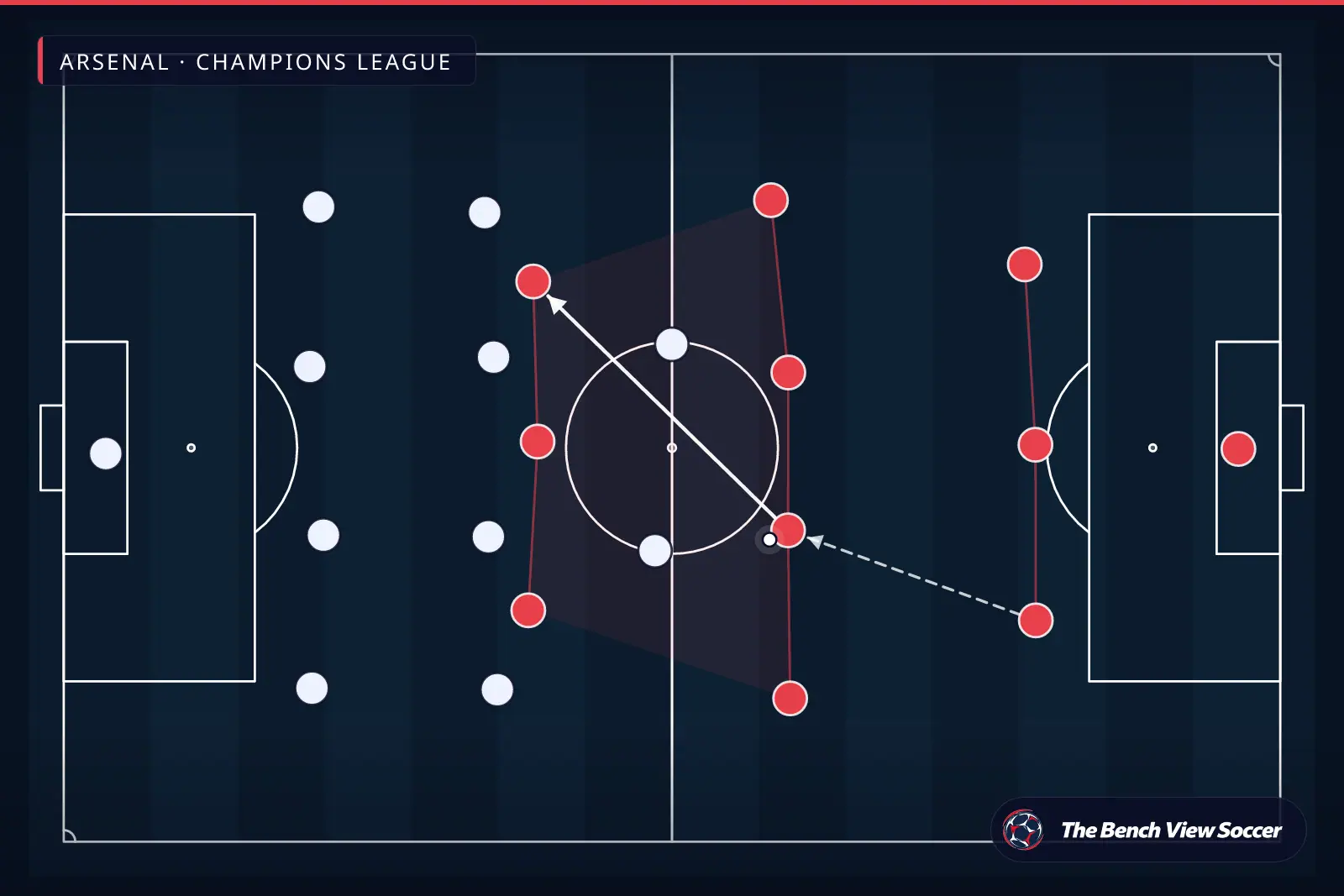
Russo’s hat-trick and the manager’s comments about connection and a growing team dynamic point to a unit that is achieving greater cohesion in attack. When a single forward can score three in a match, it often reflects both individual finishing ability and effective supply lines; the reference to Russo connecting well with teammates suggests the team is building patterns that create regular opportunities for a central striker to exploit.
From a shape perspective, this performance suggests Arsenal were able to sustain forward momentum while maintaining balance. A forward scoring three typically benefits from a combination of wide support and midfield runners or direct link-up play. The manager’s emphasis on Russo’s leadership and care for those around her implies a forward who not only finishes chances but helps orchestrate attacking movement and quick combinations — tasks that suit a high-activity, possession-oriented centre-forward or a mobile number 9 who drops, drifts and links play.
The game plan that emerges from those elements would prioritise quick transitions into the final third and creating overloads near the box. If teammates are connecting with the striker effectively, the team is likely achieving good timing on passes and runs — either through penetrating passes from midfield or aggressive wide play that drags defenders out of position. Those dynamics produce high-quality scoring opportunities and explain how one player could net a hat-trick while the team keeps a clean sheet.
There are trade-offs inherent in such an approach. Emphasising connection with a focal striker can leave a team vulnerable when the forward is closed down or isolated; it requires disciplined midfield and wing-play to sustain. Likewise, leaning on a single prominent goalscorer raises questions about contingency if that player is unavailable. The manager’s praise of a shared dynamic over recent games hints that Arsenal are attempting to mitigate those risks by spreading creative responsibility rather than relying on a sole creator.
Key tactical points
- Clinical finishing combined with consistent supply lines turns individual quality into multi-goal performances.
- A forward who links play and "connects" with teammates increases team fluidity and creates recurring scoring chances.
- Developing a positive dynamic across consecutive matches improves timing of runs and passing rhythms in the final third.
- Balancing focus on a focal striker with shared creative duties reduces dependence and preserves stability if the forward is neutralised.
- Maintaining defensive shape while pressing forward is essential to convert attacking dominance into a clean-sheet win.
What to watch next
Watch whether the attacking connections that enabled Russo’s hat-trick are repeatable: will the same supply patterns and timing of runs show up in the next matches, and can other attackers share creative burden? Observe how Arsenal handle opponents who specifically target their focal striker with tight marking — does the team have reliable alternate channels to create chances?
Also monitor the evolving team dynamic noted by the manager. If cohesion is genuinely improving, it should be visible in quicker combination play, more coordinated pressing, and fewer moments of isolation for key attackers.
Train it
Exercise: 8v8 possession-to-finish rondo that emphasises striker link-up, third-man runs and rapid transitions from possession into the penalty area. The drill encourages midfield-to-forward connections and finishing under realistic pressure.
- Set-up: 40x30m pitch with a central 20x15m possession zone and two end zones with small goals. One designated striker rotates between receiving in the possession zone and attacking the end zone.
- Progression: After three successful passes in the possession zone, the team must play a forward pass to the striker and complete a third-man run into the end zone for a finish.
- Coaching points: praise weight and timing of forward passes, encourage striker to show for the ball and then make decisive runs, and insist on quick transition to defensive shape if possession is lost.
Sources
The Bench View app
Don’t just read football — train it
Everything you read here, turned into training you can follow step by step.
Physical training at home
AI daily sessions adapted to your level and position. No equipment needed.
Tactical training courses
Step-by-step courses on positioning, pressing, build-up and decision making.
- 7 days free
- No commitment
- Cancel anytime
Free account: 2 physical sessions + the first tactical course. PRO: 7-day free trial — cancel before day 8 and you pay nothing.
More Analysis
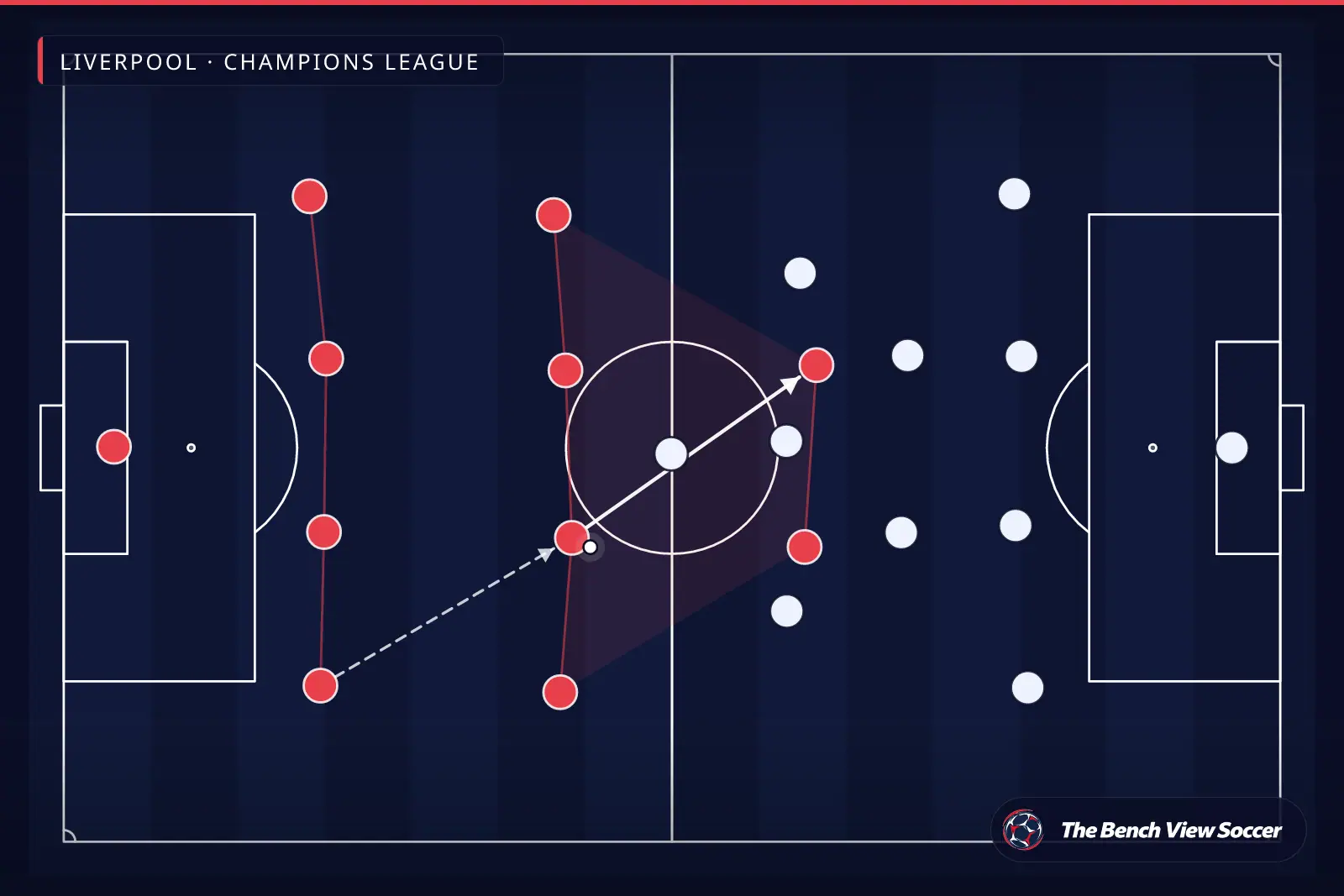
Liverpool’s Anfield test: what recent form says — and what to work on before Arsenal
October 30, 2026
City’s profligacy punished as late PSG leveller leaves questions over game management
October 30, 2026
How Chelsea’s unbeaten run vs Roma reveals a clearer tactical identity
October 29, 2026
Shock in the Cup and a Statement in Europe: Fleetwood stun Arsenal; Russo makes history for Arsenal Women
October 29, 2026