Introduction
For many fans, Manchester City under Pep Guardiola can look like “just passing.” But the beauty is not the number of passes—it is the purpose behind each one. Guardiola’s City use positional play to control where the game is played, how opponents move, and which spaces open up for the next action. This approach is why City dominate long stretches in the Premier League and often look calmer than opponents in high-pressure UEFA Champions League nights. Positional play is about structure: giving every player a reference point, creating superiorities (more useful options) around the ball, and making the pitch feel bigger for your team and smaller for the opponent. In this article, we break down what positional play really means, how Guardiola builds it at City, and why it helps them create chances without depending on chaotic transitions. Think of it as a football “map” that guides decisions in real time.
How It Works
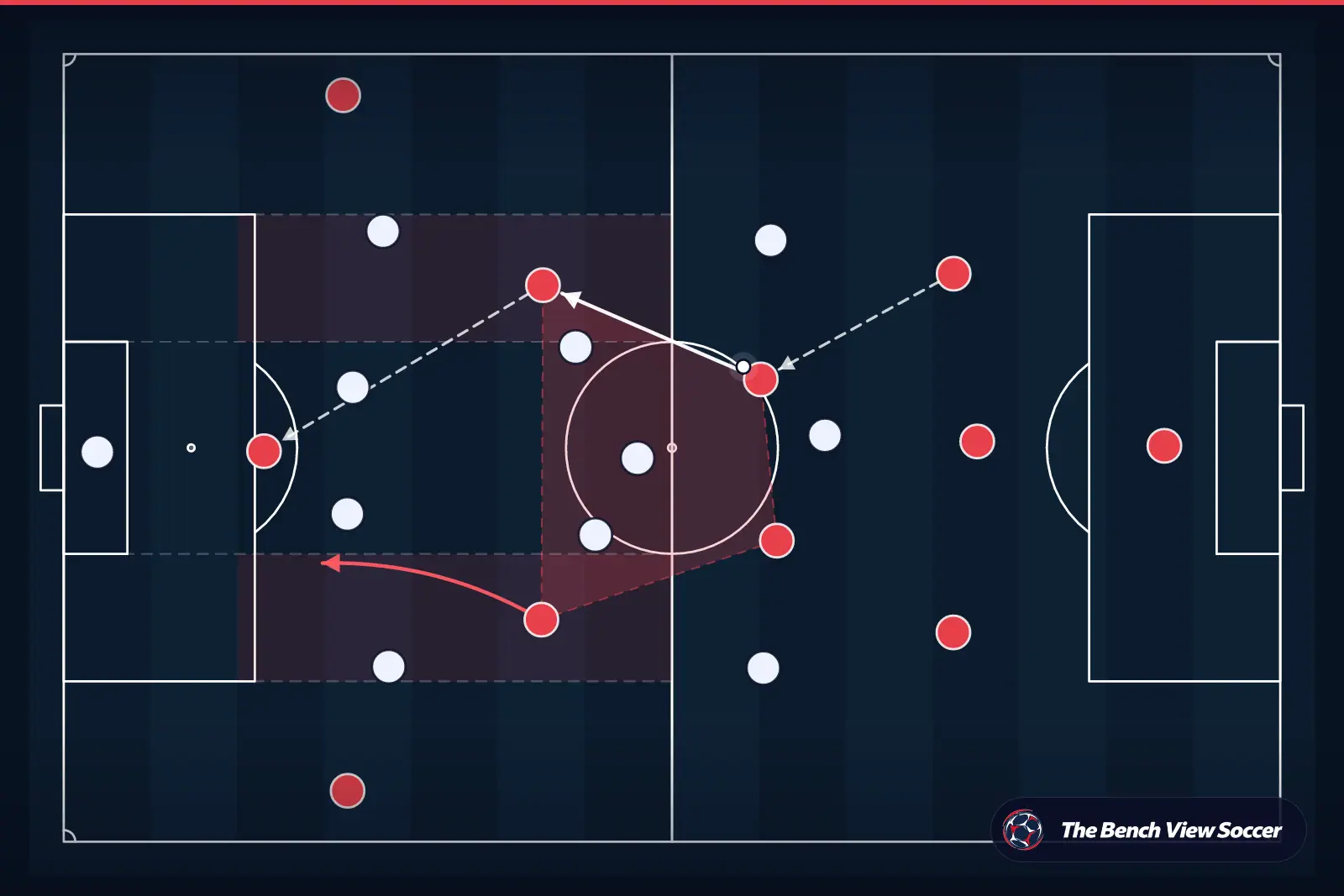
Positional play (often associated with Guardiola, Johan Cruyff’s Ajax/Barcelona ideas, and modern elite coaching) is a way of attacking where players occupy specific zones to create clear passing lanes and constant decision-making advantages. Manchester City typically build up with a 2-3 or 3-2 base structure. Two centre-backs (like Rúben Dias and John Stones/Nathan Aké) provide stability, while a “pivot” line forms in front—sometimes Rodri with an inverted full-back stepping inside, or Stones moving into midfield as he often does in Guardiola’s system. The key principle is spacing: City keep width with wingers (e.g., Jérémy Doku or Phil Foden), while “interiors” (advanced midfielders like Kevin De Bruyne, Bernardo Silva, or İlkay Gündoğan in earlier seasons) position between lines. City aim to create three types of advantage. First, numerical superiority: having more players near the ball than the opponent. Second, positional superiority: placing a player in a zone where he can receive facing forward (for example, a midfielder in the half-space behind the opponent’s midfield line). Third, qualitative superiority: isolating a great 1v1 player, such as Doku, against a full-back. The ball moves to move the opponent; City shift the defence laterally, then play a “third-man” combination—pass to one player who sets it to another running into a new lane. Importantly, positional play is not slow by nature. When the right space opens, City accelerate instantly with a vertical pass into the box, a cutback, or a through ball.
Match Examples
A clear Premier League reference point is Manchester City vs Arsenal at the Etihad in 2022–23. Mikel Arteta’s Arsenal try to press, but City’s build-up structure and spacing help them escape pressure. City often keep a stable base with the centre-backs and Rodri, while players like De Bruyne and Bernardo position between Arsenal’s midfield and defence. This forces Arsenal’s back line to make a choice: step out and leave space behind, or hold shape and allow City time to turn and play forward. City’s positional discipline means they rarely crowd the same lane; they keep passing angles open, so the press has to run more than it can win. In the 2022–23 UEFA Champions League semi-final second leg, Manchester City vs Real Madrid (4–0 at the Etihad) shows positional play at its most ruthless. Carlo Ancelotti’s Madrid sit in a mid-block, but City use wide wingers to pin full-backs and use midfield rotations to overload central zones. The ball circulation is patient until a lane appears—then City attack the box with timing. The “free man” concept is visible: when Madrid commit to the ball side, City find the opposite side quickly, or they bounce passes through a central player who draws pressure and releases a teammate. A third example from the 2023–24 season is City’s use of inverted full-backs and central overloads to keep control even when opponents defend deep; the idea stays the same: stretch wide, occupy the five vertical lanes, and keep a player between the lines who can receive on the half-turn.
Related Concepts & Skills
Training Implications
If you coach or play at an amateur level—college football in India, local academies, or weekend turf games—you can train positional play without copying City’s exact formation. Start with principles and simple constraints. First, teach “lane discipline”: split the pitch into five vertical lanes (left wing, left half-space, centre, right half-space, right wing). In a 7v7 or 8v8 game, give a rule that no more than two players can occupy the same lane at once. This forces spacing and creates clearer passing lines. Second, build the habit of creating triangles. Run a 4v2 rondo where the outside players must change their angles after every pass (a step wider or deeper). Emphasise body shape: receive side-on so the next pass can go forward. Third, train the “third-man” idea with a pattern: centre-back to midfielder, set to full-back/winger, then a pass into a forward checking between lines. Add passive defenders, then active pressing. Fourth, coach scanning. Use a simple rule in possession games: before receiving, each player must call out a teammate’s name or number they can see (this encourages head movement and awareness). Fifth, include rest-defence habits. In small-sided games, assign two players as “anchors” who must stay behind the ball when the team attacks; rotate this role so everyone learns defensive positioning. Finally, use video: record a 10-minute game on a phone and review pauses where two players stand in the same zone or where a forward pass is available but missed. This makes positional concepts concrete and repeatable.
The Bench View app
Don’t just read football — train it
Everything you read here, turned into training you can follow step by step.
Physical training at home
AI daily sessions adapted to your level and position. No equipment needed.
Tactical training courses
Step-by-step courses on positioning, pressing, build-up and decision making.
- 7 days free
- No commitment
- Cancel anytime
Free account: 2 physical sessions + the first tactical course. PRO: 7-day free trial — cancel before day 8 and you pay nothing.