

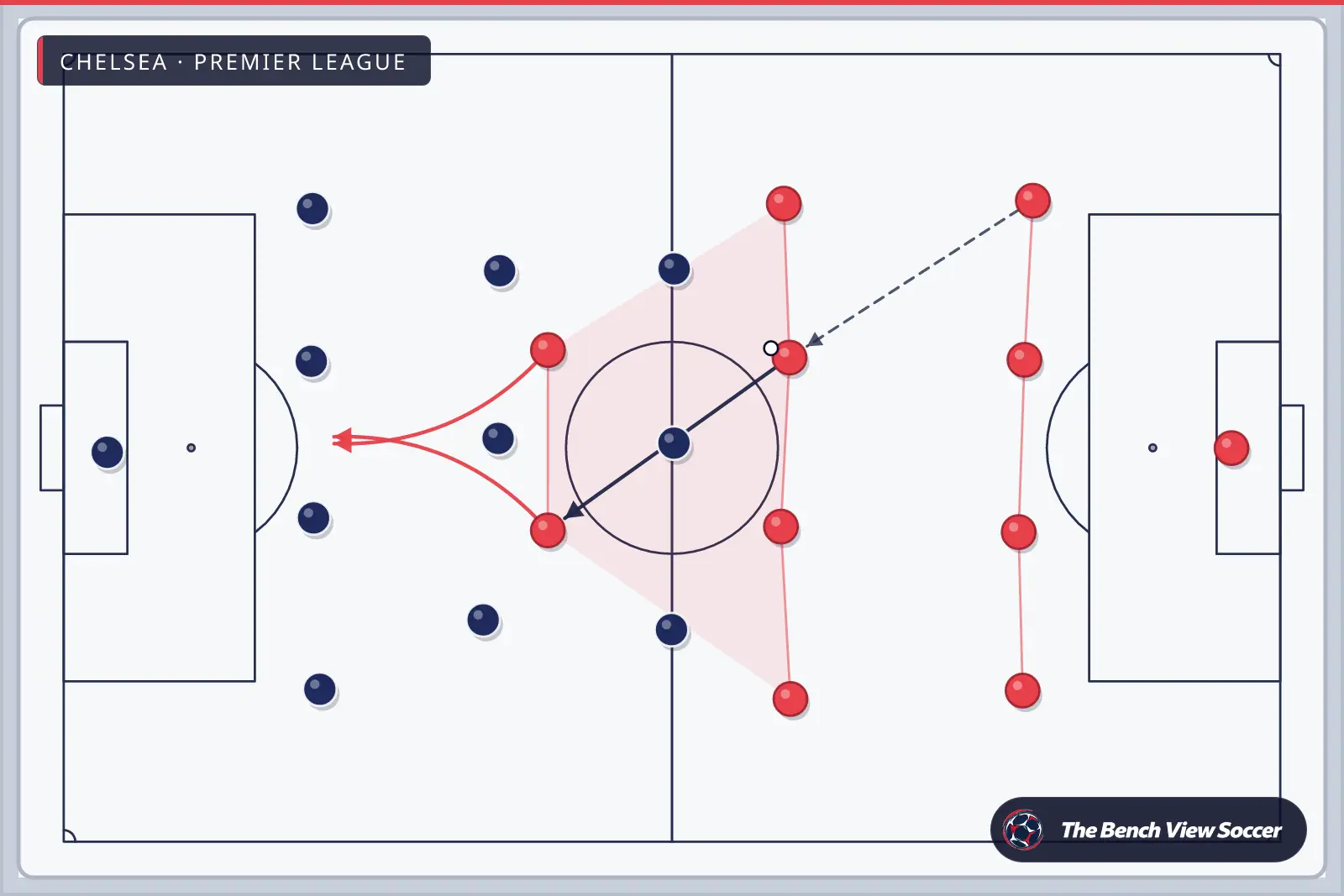
Chelsea and Manchester City have both started the league season without defeat, and fixtures between the traditional top three — Chelsea, Manchester City and Arsenal — no longer carry the same solitary decisive weight they once did. The gap that used to separate that elite from the rest of the Women’s Super League has narrowed, and the domestic title race looks likelier to be prolonged as other clubs take more points off the established big three.
What happened
There was a period when meetings among Chelsea, Manchester City and Arsenal functioned as near-certain title-deciders because the trio were markedly ahead of the rest of the WSL. That superiority meant dropping points to teams outside that group was uncommon. Current early-season form shows both Chelsea and Manchester City remain unbeaten in the league, but the competition has become tighter overall, meaning the title contest may extend further into the season. Separately, Manchester United and Manchester City are reported to be competing for Chelsea defender Malo Gusto in the transfer market.
The tactical reading
The broad competitive shift in the WSL implies teams must be adaptable rather than rely on a single head-to-head match as the season’s pivot. When a league becomes more competitive, coaches typically move away from a binary approach of 'win the big games and take care of the rest' toward more nuanced long-term planning: squad rotation, detailed opponent-specific plans, and contingency tactics for games where field position and possession are harder to secure.
That evolution tends to reward teams with tactical flexibility in shape and personnel. A side that can switch tempo, press intensity and compactness between matches — and within matches — will be better placed to cope with a season where midtable sides frequently take points from the top. For example, a team that can alternate between a high, aggressive press when the opponent struggles under pressure and a more conservative, compact defensive block when facing technically superior opponents gains strategic advantages across many fixtures.
The market interest in a club defender — in this case Malo Gusto — underlines another tactical dynamic: full-backs remain high-value assets because of the multiple functions they can perform. Modern full-backs often carry wide attacking responsibility, provide inverted midfield options, or double as auxiliary center-backs in possession. The reported chase by two major clubs for a single defender suggests teams continue to prioritise versatile wide defenders who can fulfill differing tactical briefs depending on opponent and game state.
Finally, the shift away from a narrow top-three dominance brings trade-offs. Greater parity means top teams must manage fixture congestion and rotation more carefully; resting a key player against a supposedly weaker opponent risks dropping unexpected points, but overplaying the core XI risks fatigue later. Tactically, it encourages a deeper bench and the systematic preparation of substitutes to enter with clear defensive or offensive missions — not merely as like-for-like replacements.
Key tactical points
- Prioritise tactical adaptability over a fixed ‘big-game’ approach; plan multiple match templates (pressing high, medium block, low block) and practice transitions between them.
- Value and develop versatile full-backs who can attack, defend wide, and provide in-possession structural options; their flexibility matters across a congested season.
- Institute clear rotation policies so that tactical identity survives personnel changes; the team needs consistent pressing triggers and compactness cues understood by all squad members.
- Prepare substitutes with defined micro-tasks (e.g., increase pressing intensity, stretch play wide, close central passing lanes) to preserve strategy when rotating.
- Use opponent-specific scouting to identify when to force variance (e.g., increase tempo) and when to default to conservative control to preserve points.
What to watch next
Watch how top teams manage their squad usage. Will they lean on rotation to keep players fresh for a long, competitive season, or will they prioritise a consistent core XI and accept higher fatigue risk? The answer will reveal which clubs think depth and adaptability will win out over short-term stability.
Also observe how clubs handle key wide defenders in the transfer market and on the pitch. If teams continue to recruit and deploy multi-functional full-backs, expect more tactical systems that blur the lines between full-back and midfield roles, affecting both how teams build play and how opponents press them.
Train it
Exercise: 8v8+3 transition rondo focused on wide defender responsibility and team shape under possession and press. Two neutral attackers support the team in possession; three target players represent the press triggers. The exercise alternates 3-minute phases of possession (focus on building via full-backs and rotating the ball) with 2-minute high-press phases where the defending team seeks to win the ball through coordinated triggers.
- Coaching point 1: Train full-backs to scan before receiving and to choose between advancing, underlapping, or holding position—discipline on when to commit forward must be reinforced.
- Coaching point 2: Practice press triggers and sliding distances so the team can switch quickly from a medium block to an aggressive press without losing compactness.
- Coaching point 3: Prepare substitutes with clear micro-tasks during the drill (e.g., “enter to overload the tempo,” “stabilise central triangles”) so rotation preserves tactical intent in real matches.
Sources
- The Guardian: Why Chelsea and Manchester City’s WSL clash is not as season-defining as you think
- BBC Sport: Man Utd & Man City in Gusto battle - Friday's gossip
- Sky Sports: Inside Man Utd's pursuit of Pochettino
- The Guardian: Is No 10 still the best, or No 41? The myths and maths of Premier League shirt numbers
The Bench View app
Don’t just read football — train it
Everything you read here, turned into training you can follow step by step.
Physical training at home
AI daily sessions adapted to your level and position. No equipment needed.
Tactical training courses
Step-by-step courses on positioning, pressing, build-up and decision making.
- 7 days free
- No commitment
- Cancel anytime
Free account: 2 physical sessions + the first tactical course. PRO: 7-day free trial — cancel before day 8 and you pay nothing.
More Analysis
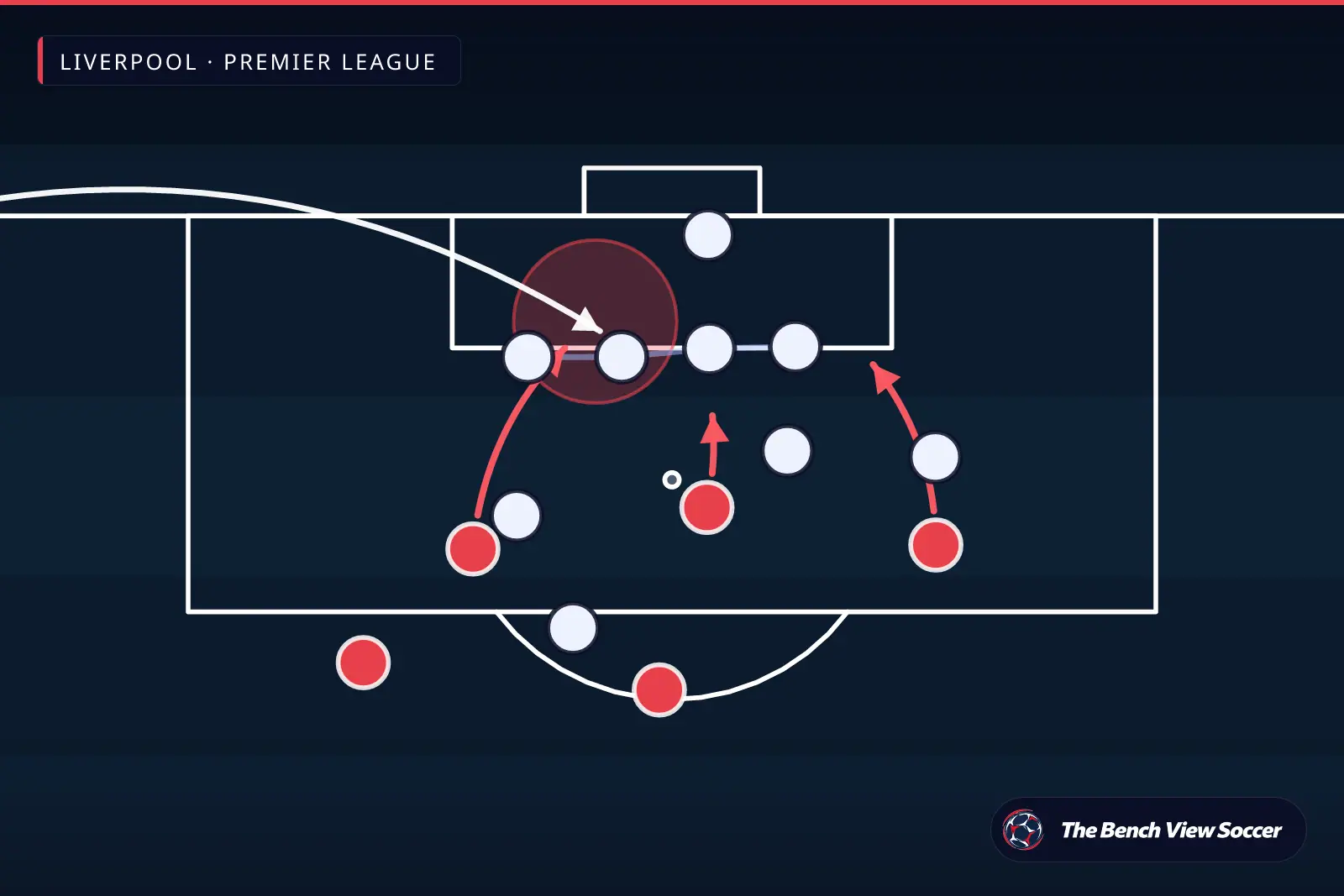
Panel Rules Timber Shirt Pull Should Have Earned Liverpool a Penalty — What coaches must learn
November 11, 2026
Brighton’s 2-0 win over 10-man Brentford: control, moments and lessons for challengers
November 9, 2026
Chaos at Old Trafford: what Man United’s 4-4 draw with Villa exposes tactically
November 9, 2026
Breathless at Old Trafford: How Man United's 4-4 draw with Villa exposed structure and spirit
November 8, 2026