AFCON qualification tactics Kenya
Kenya's hunger for an AFCON return is powered by a vibrant grassroots culture and passionate FKF Premier League followings. With Harambee Stars aiming higher, practical, locally adapted tactics are the bridge between league success and continental qualification.
This guide gives motivated players and coaches clear, coachable methods to help Kenya qualify for AFCON. It blends beginner-accessible explanations with practical depth drawn from domestic examples and international standards.
What is AFCON qualification tactics?
AFCON qualification tactics are the strategic, training and match-day methods a national setup uses to win points in qualifying rounds. For Kenya this means structuring defence, transitions, set pieces, player selection and rotation to outplay opponents across home-and-away fixtures.
How to qualify Kenya for AFCON?
- Assess squad strengths and roles: Map core players from Harambees Stars and top FKF Premier League clubs. Identify reliable full-backs, box-to-box midfielders and clinical finishers. Prioritise players with domestic form at clubs like Gor Mahia and AFC Leopards.
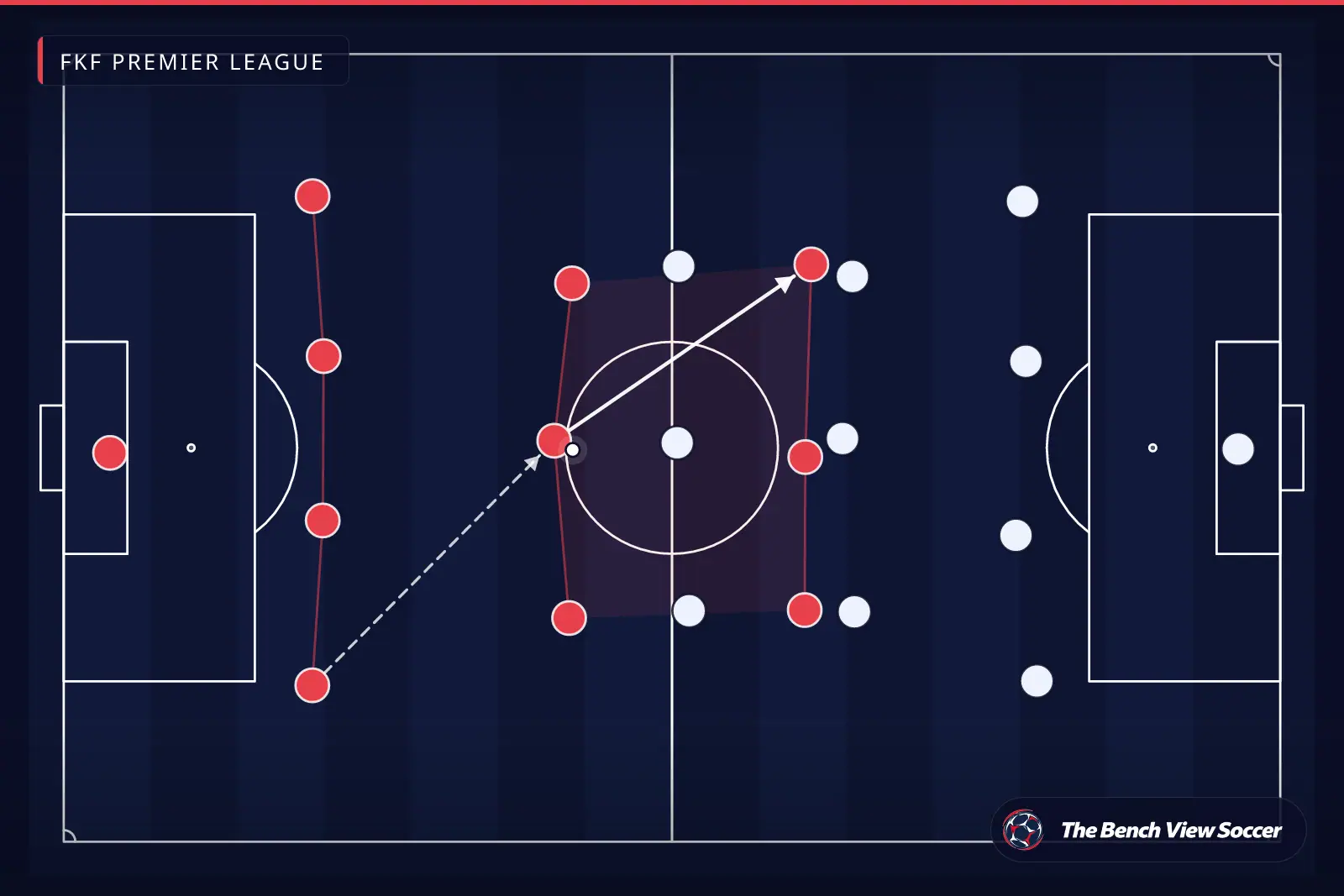
- Build a compact defensive base: Train as a unit to defend in narrow blocks (two banks of four) to limit space between lines. Emphasise communication, zone discipline and repeated recovery runs; this reduces conceding late goals in qualifiers.
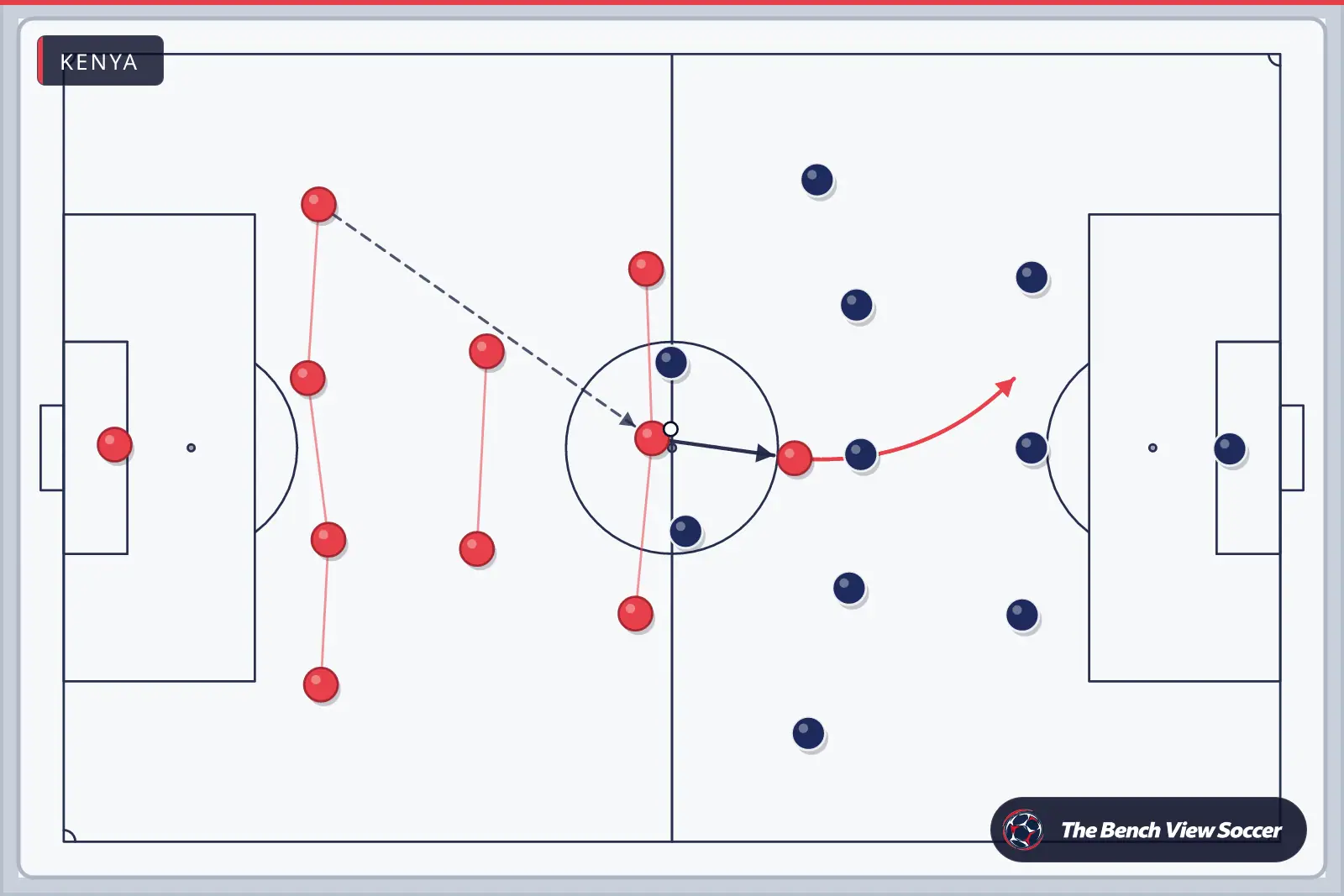
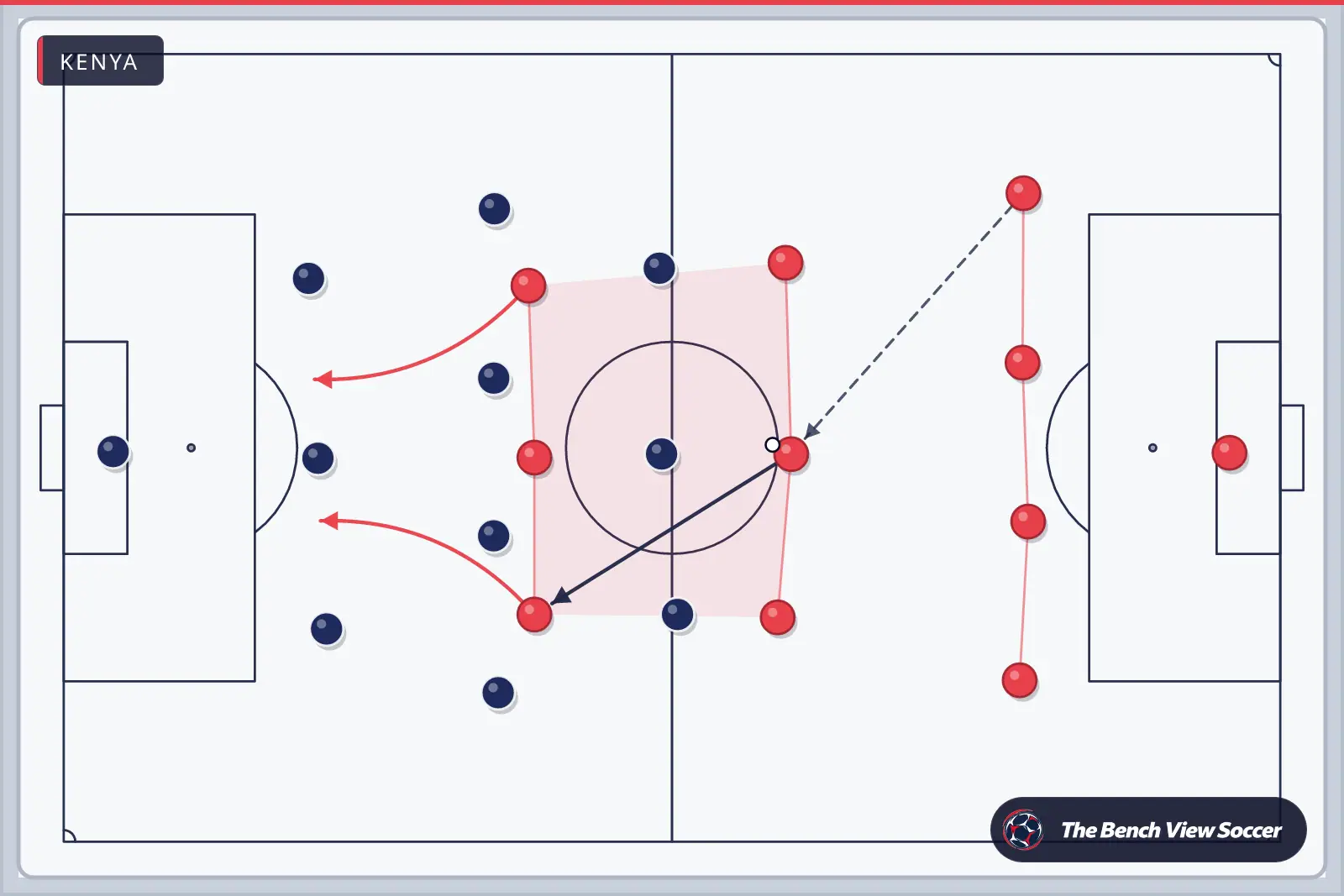
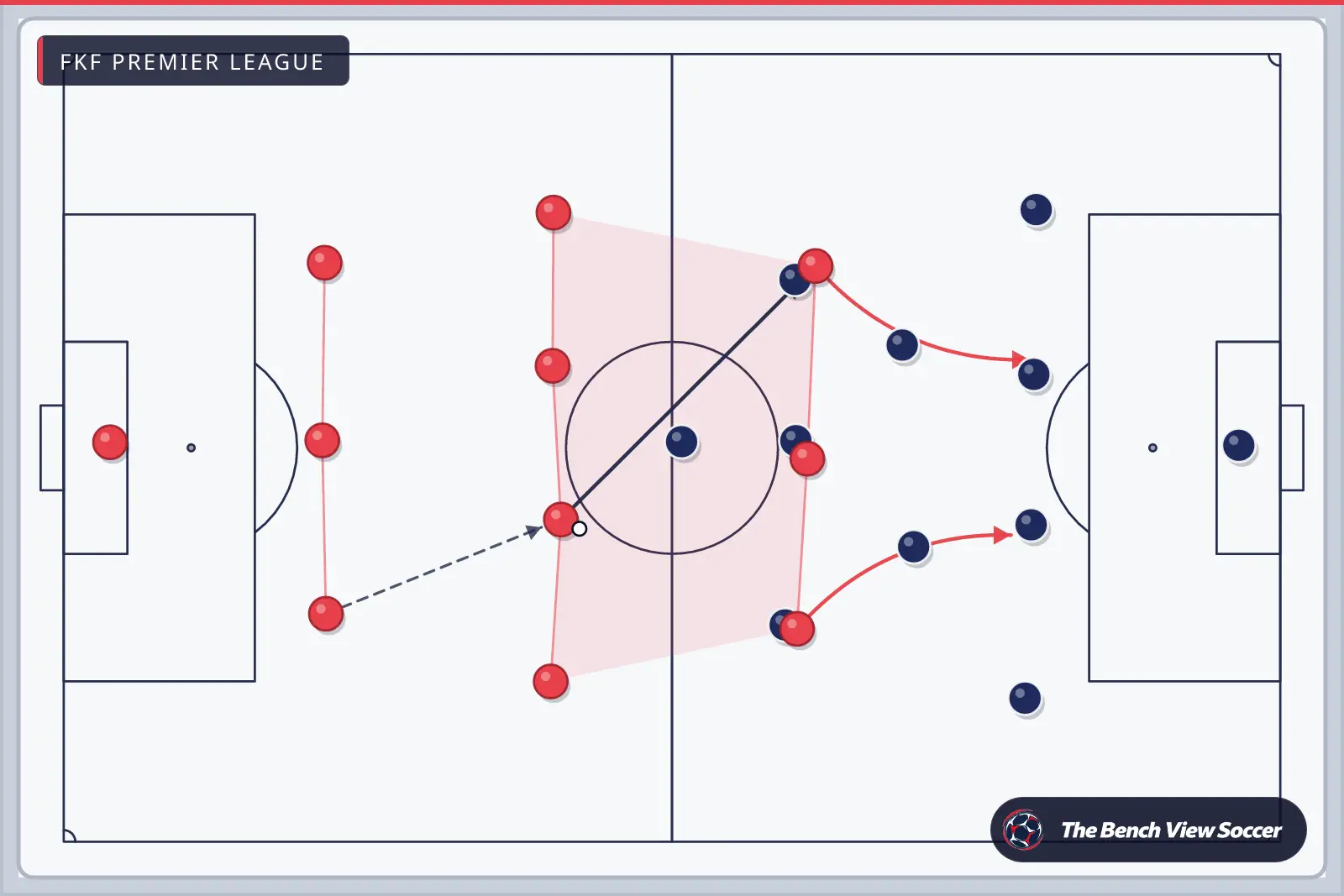
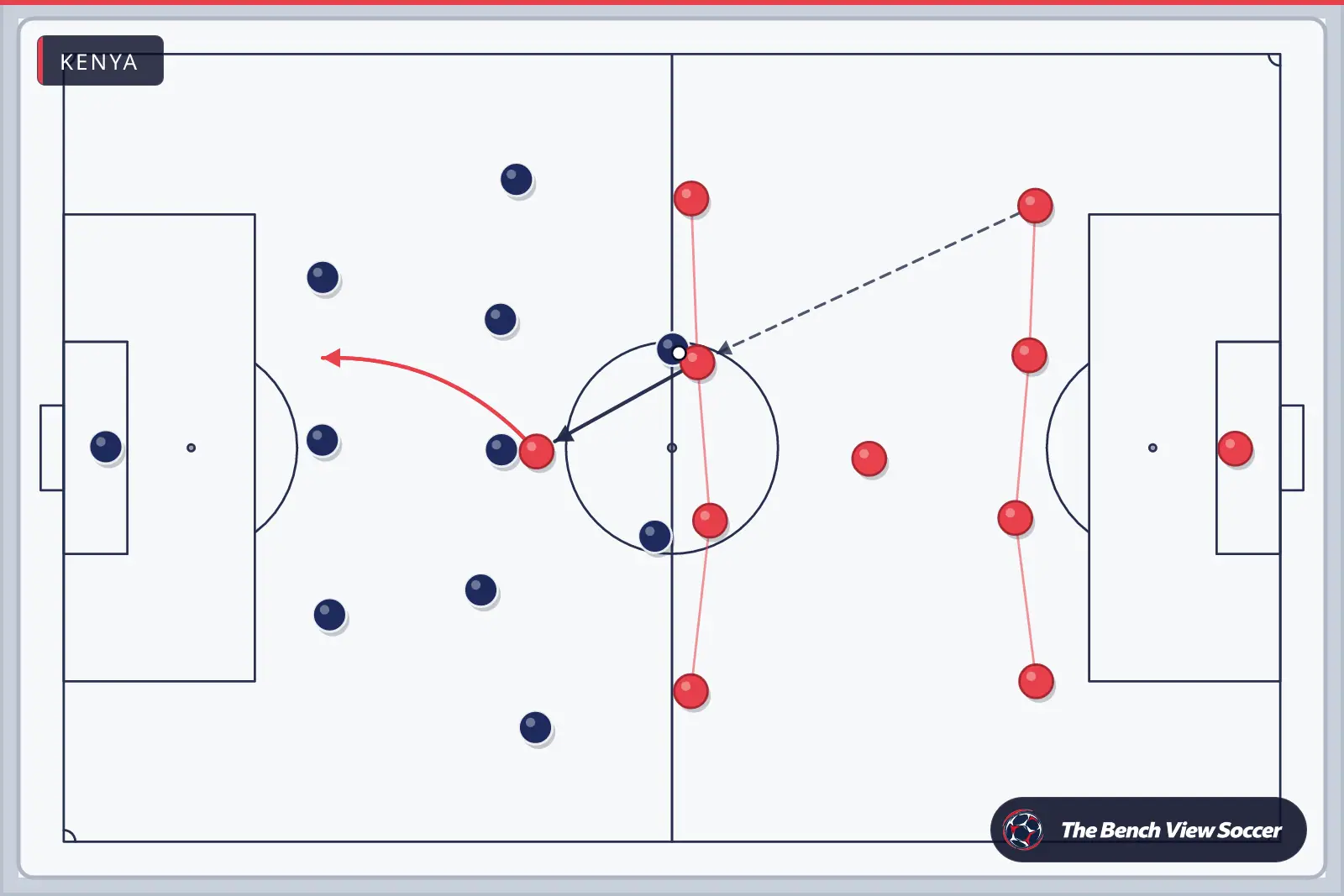
- Train rapid transitions: Practice immediate vertical passes after turnovers. Use wingers and advanced midfielders to exploit counter-attacks; quick switches and long diagonal passes unlock teams that commit numbers forward.
- Exploit set-pieces: Dedicate sessions to corners, free-kicks and penalties. Create rehearsed routines using tall FKF Premier League forwards and accurate crossers—set-piece goals win tight qualifiers.
- Manage squad rotation and logistics: Plan travel, recovery and rotation so players peak for qualifiers. Use game-management subs and rotate between league and national duties to prevent burnout and injuries.
What are real examples from FKF Premier League?
Gor Mahia and AFC Leopards offer tactical blueprints Kenya can scale. Gor Mahia’s organised pressing and quick wing transitions translate directly to international counters. AFC Leopards’ emphasis on set-piece routines and structured midfield control provides models for compactness and ball retention under pressure.
At grassroots level, coaches in Nairobi and Mombasa often coach high-intensity pressing and positional discipline—styles that feed into national tactical identity. Selectors should track FKF Premier League patterns: who performs against tough opposition, who completes high-pressure passes, and who wins aerial duels.
What are the best tips to execute AFCON qualification tactics?
- Prioritise fitness cycles so Harambee Stars players sustain high press intensity across 90+ minutes.
- Develop two reliable game plans: a defensive counter system for away fixtures and a controlled possession plan for home matches.
- Use data: simple metrics like pass completion in final third, aerial duels won and expected goals (xG) inform selection and tactics.
- Invest in set-piece specialists—designate kick takers and aerial markers and rehearse variations weekly.
- Link FKF Premier League scouting with national training: keep tabs on form and tactical adaptability at club level.
What mistakes to avoid?
- Over-rotating lineups between qualifiers—stability builds cohesion; constant changes hurt collective understanding.
- Neglecting transitional defensive training—teams often concede in moments immediately after losing possession.
- Ignoring away-game management—travel fatigue, tactical conservatism and pitch conditions must shape your plan, not an idealised model.
- Relying solely on talent without structure—individual skill is vital, but tactical discipline wins qualifiers.
What are the frequently asked questions?
How important are FKF Premier League performances for national selection?
Strong FKF Premier League form is crucial—players from Gor Mahia and AFC Leopards often carry match fitness, tactical awareness and pressure-handling skills into the Harambee Stars setup. Consistent domestic minutes help adapt to national tactics quicker than sporadic foreign minutes.
Which formation suits Kenya best in AFCON qualifiers?
A 4-2-3-1 or 4-3-3 with a compact midfield balance works well—two holding midfielders offer protection for the backline while enabling quick vertical passes to creative 10s and wingers. Choose formation based on opponent and home/away conditions.
How can youth development feed AFCON qualification tactics?
Invest in U-20 and U-23 tactical templates that mirror senior systems. Teaching pressing triggers, transitional runs and set-piece roles early accelerates integration into the senior squad and creates a pipeline of tactically-ready talent.
What role do set pieces play in qualification?
Set pieces are decisive in tight qualifiers—practised routines convert narrow margins into points. Target aerial threats from FKF Premier League and create rehearsed delivery patterns to exploit opponents’ marking tendencies.
Kenya can close the gap to continental qualification by combining FKF Premier League strengths, grassroots energy and disciplined tactical plans. Implement compact defence, rapid transitions, set-piece emphasis and smart rotation to boost Harambee Stars’ AFCON prospects.
Start our free courses on The Bench View Soccer.