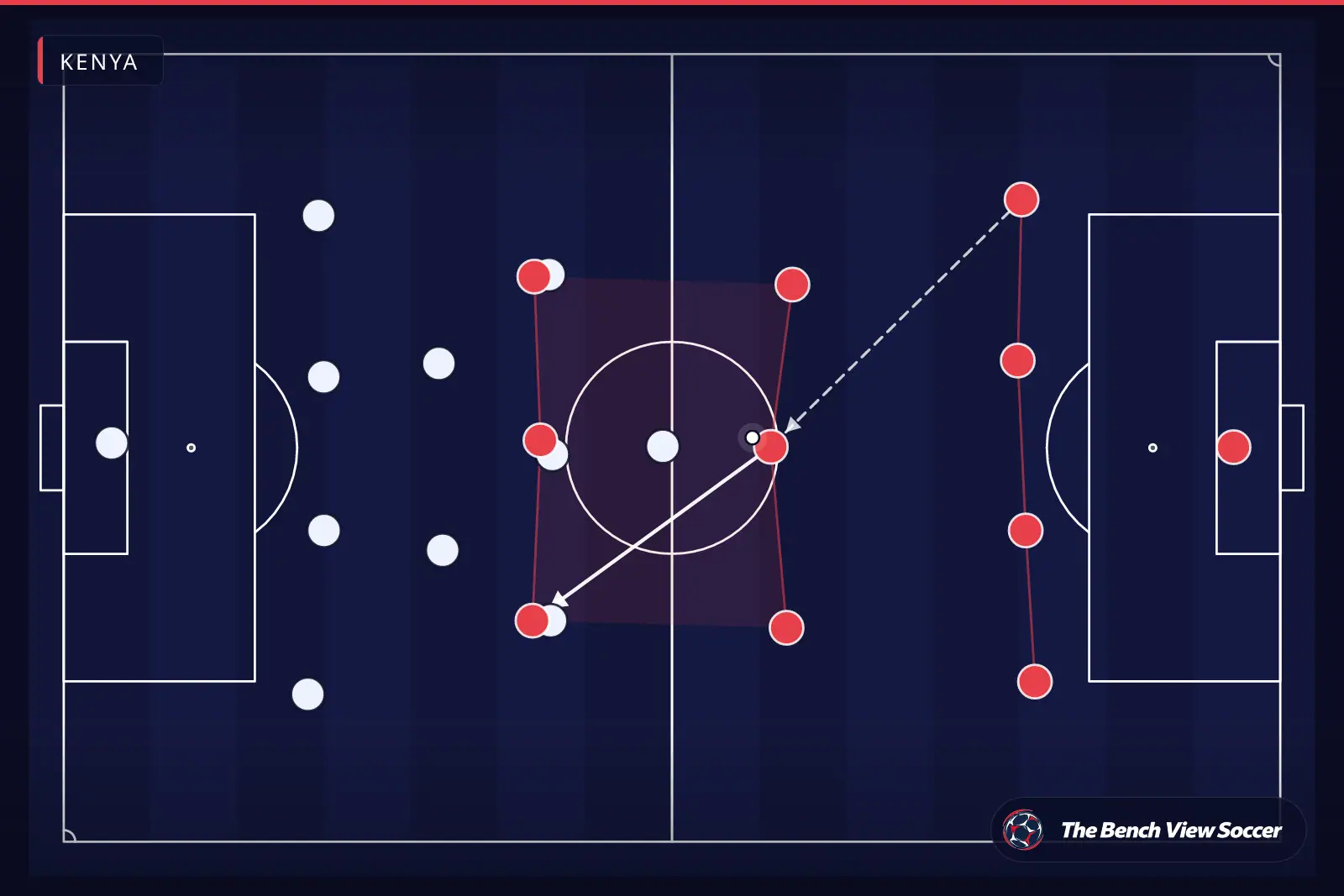
best football formations Kenya
Kenyan football thrives on passion from the terraces of FKF Premier League grounds to the vibrant grassroots pitches across the country. Whether you are coaching youth in Kisumu, leading a Gor Mahia U-18 side, or studying tactics for Harambee Stars, the right formation shapes how you win regional CECAFA Cup ties and challenge in AFCON qualifiers.
This guide explains the best football formations Kenya teams and players should consider. It blends beginner-accessible explanations with practical coaching steps so motivated players and local coaches can implement systems that suit Kenya’s player profiles and competitive aims.
What is a football formation?
A football formation is a structured arrangement of players on the pitch that defines defensive and attacking responsibilities. It shows how many defenders, midfielders and forwards are deployed and influences pressing patterns, width, and transition play. Formation choice should reflect player strengths, opposition, and match goals.
How to choose the best football formation for your team?
- Assess your squad: Identify natural positions, physical traits, technical skills and tactical IQ. Kenyan teams often have pacey wingers and aggressive midfielders—build around those strengths.
- Define match objectives: Decide whether you need to protect a lead, control possession, or counter-attack. Objective drives formation choice (e.g., 4-5-1 for control, 4-2-3-1 for balanced attack).
- Pick a base shape: Start with a flexible base like 4-2-3-1 or 4-3-3 that suits FKF Premier League play and can shift mid-game.
- Practice transitions and set pieces: Train how your unit moves between phases. Kenyan grassroots success depends on clean transitions and dominant set-piece routines.
- Adjust in-game: Use substitutions and tactical tweaks to respond to opponent patterns—switch to 3-5-2 for late pressure or 5-3-2 to hold a narrow lead.
Real examples from FKF Premier League and national sides?
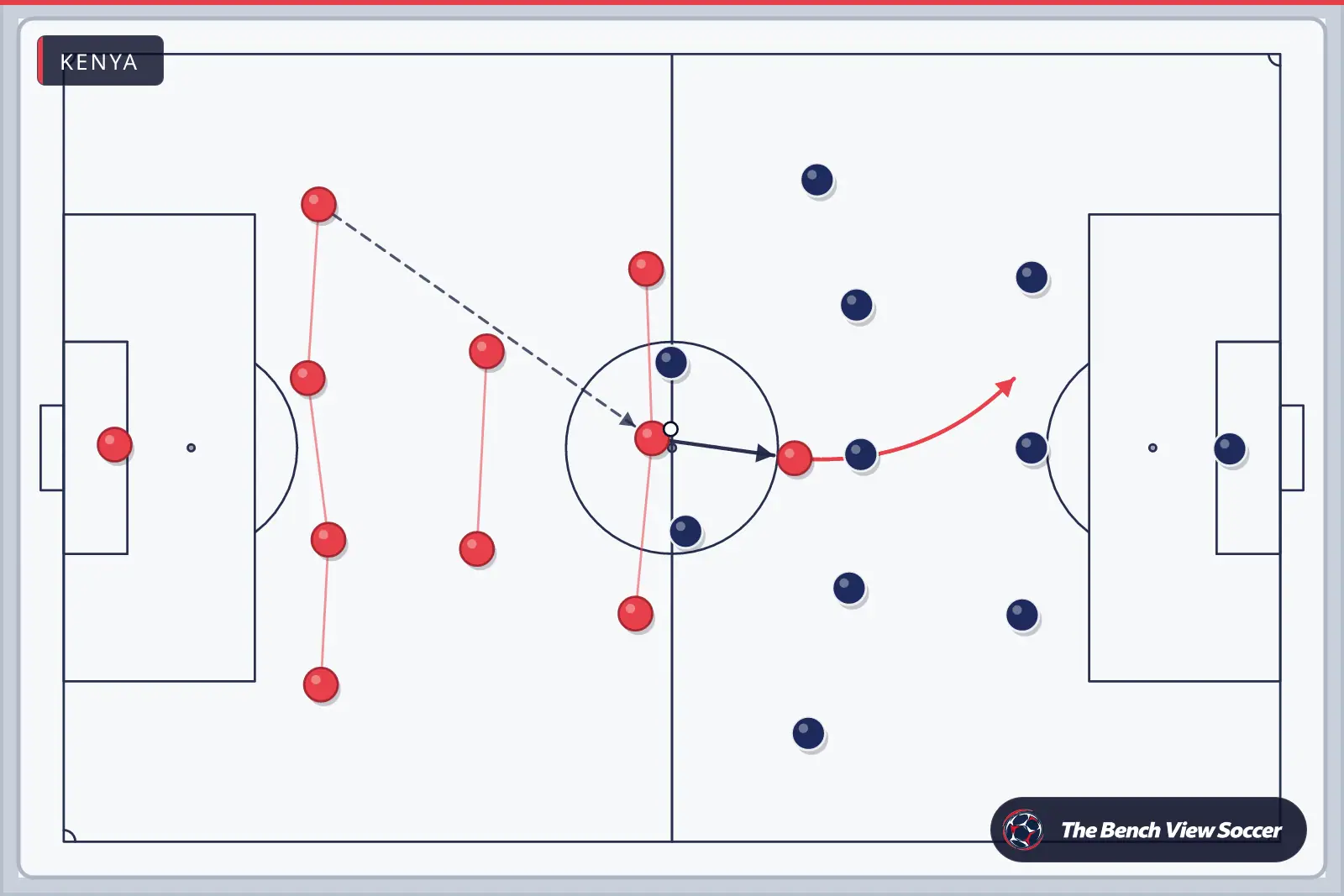
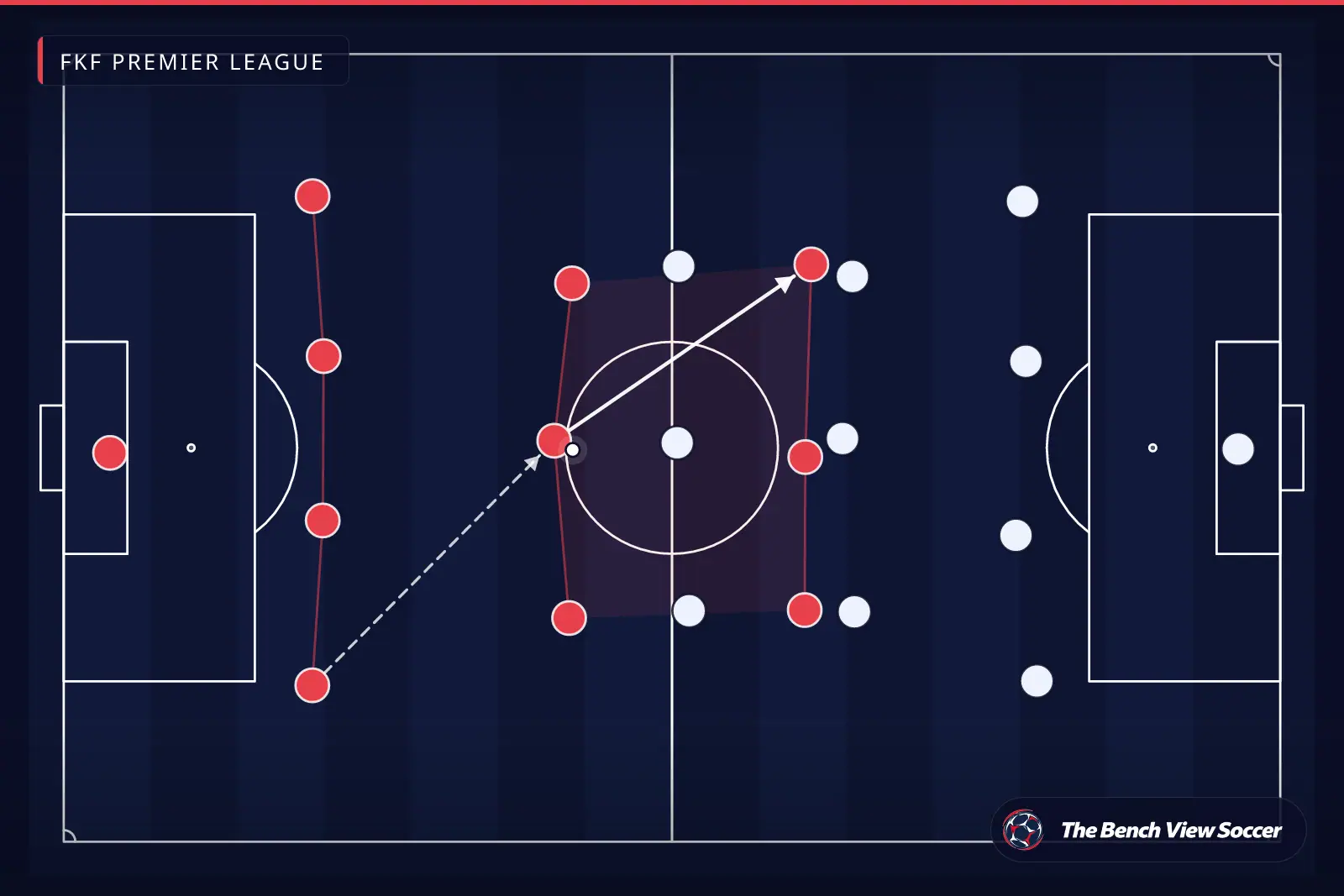
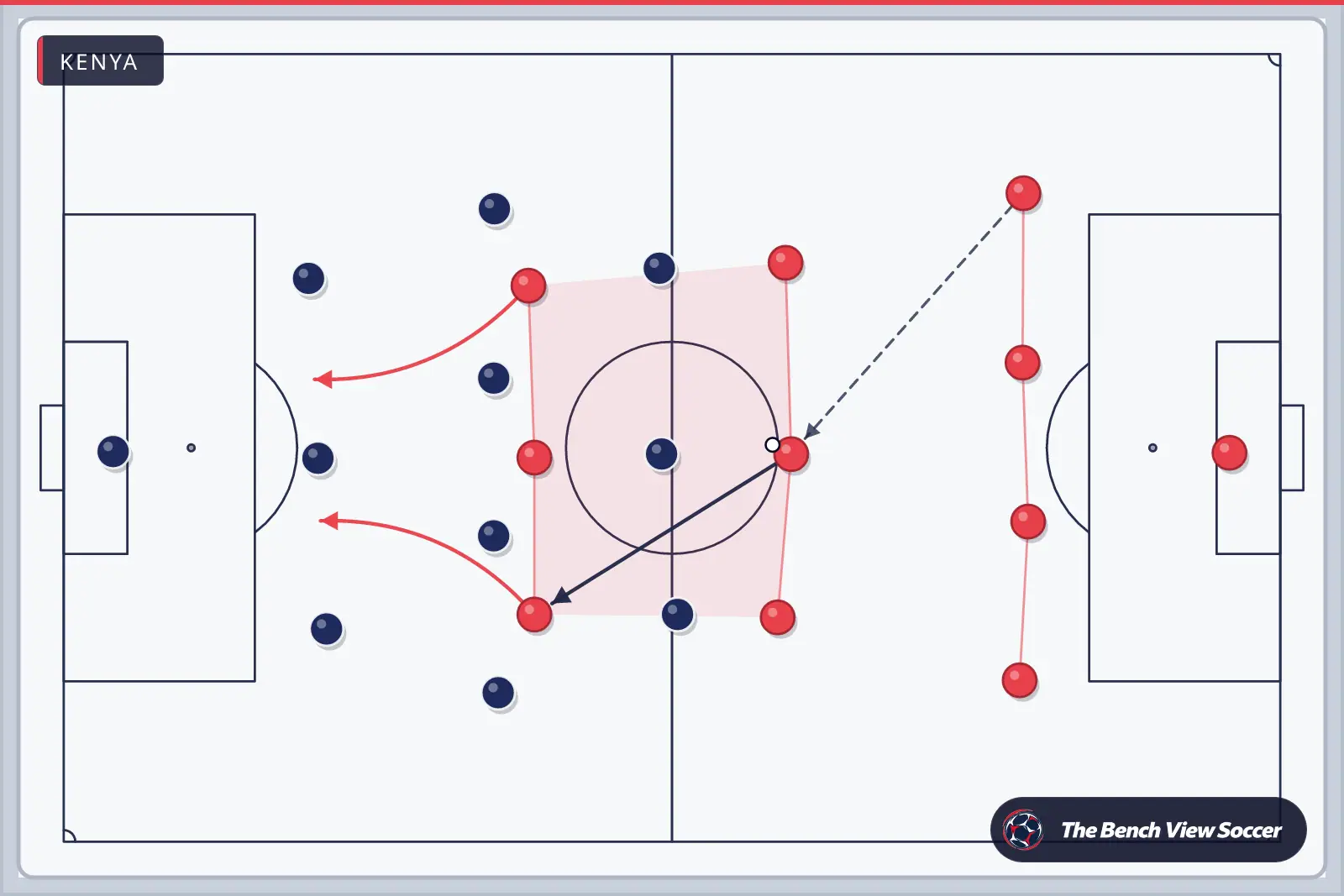
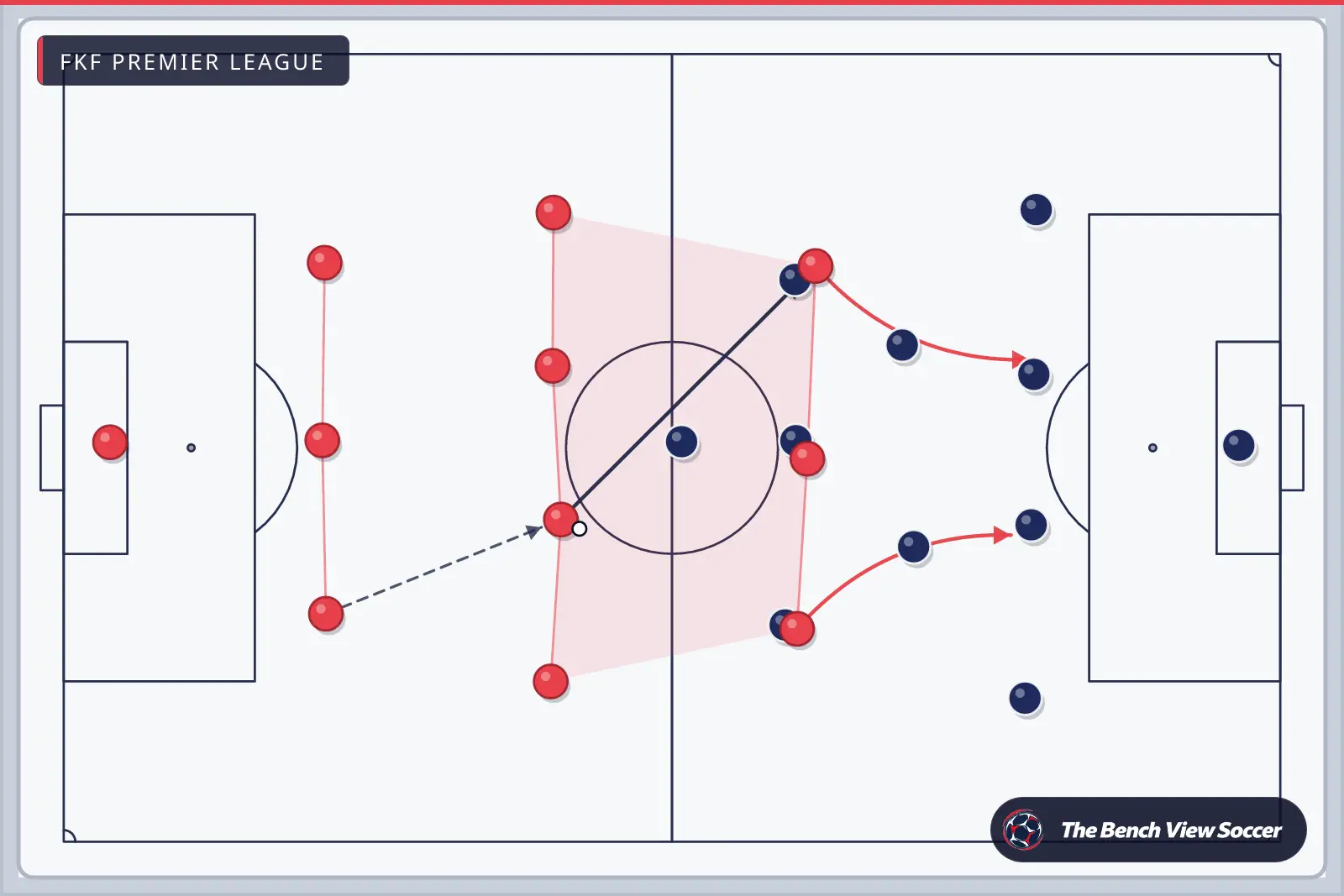
Gor Mahia and AFC Leopards have historically alternated between compact 4-2-3-1 setups and more expansive 4-3-3 shapes depending on personnel. Gor Mahia often fields wing-driven attacks with a creative number 10, while AFC Leopards sometimes use a double pivot to protect a high defensive line. Harambee Stars in AFCON qualifiers have tested 4-3-3 for width and 3-5-2 to crowd midfield against stronger African opponents.
At youth and grassroots level, coaches who adopt the best football formations Kenya-wide favor systems that teach positional discipline—4-2-3-1 for giving young attacking players license to press, and 4-4-2 for teaching defensive lines and counter-attacks.
Best tips to pick and use formations?
- Know your best XI: Build the formation around your most reliable five players (goalkeeper, center-back pair, central midfielder, and a forward).
- Prioritize balance: A formation that is offensively potent but defensively porous won’t win league campaigns—aim for equilibrium.
- Train roles not just positions: Players must understand responsibilities in press, transition, and set pieces within the chosen system.
- Use width wisely: Kenyan pitches and fan expectations reward wing play—employ fullbacks or wingers to stretch defences.
- Adapt to opposition: Scout enemy tendencies and switch shapes between matches—don’t be married to one system.
Mistakes to avoid?
- Ignoring player attributes: Forcing a rigid formation that doesn’t suit your squad will reduce cohesion and confidence.
- Overcomplicating tactics for youth teams: Grassroots development needs simple, repeatable roles rather than complex instructions.
- Failing to practice transitions: Many Kenyan matches are decided in moments after turnover—train these repeatedly.
- Not preparing alternative plans: Lack of a Plan B leaves teams exposed if the chosen formation is countered.
Frequently Asked Questions
What formation should Harambee Stars use to qualify for AFCON?
Harambee Stars should favor a flexible 4-2-3-1 or 4-3-3 that provides midfield control and wing support. These shapes balance defensive cover with the pace of Kenyan attackers and allow tactical switches depending on opponent strength in AFCON qualifiers and friendlies.
Related Resources
Which formation helps Gor Mahia dominate possession?
For possession dominance Gor Mahia benefit from a 4-3-3 with a compact midfield triangle and wide forwards dropping in to create overloads. This encourages short passing, controlled buildup and uses fullbacks to supply crosses against set-piece focused rivals.
Is 4-4-2 still useful in Kenyan football?
Yes. 4-4-2 remains effective for teaching structure at youth level and for senior teams seeking direct counter-attacking play. It gives width and two striker partnerships, which can be lethal with disciplined wide midfielders and a strong central defensive pair.
How do grassroots coaches implement top formations with limited training time?
Focus on core principles: compactness, defensive shape, basic pressing and clear attacking patterns. Use small-sided games to teach spatial awareness and transitions. Gradually introduce roles from a simple formation like 4-2-3-1 to build tactical understanding efficiently.
Start our free courses on The Bench View Soccer.