East Africa football coaching program
Kenya is East Africa’s biggest football market, packed with passionate players from Kibera to Kakamega. An East Africa football coaching program tailored for Kenyan players connects grassroots talent to club structures like Gor Mahia and AFC Leopards and the national ambition of Harambee Stars to reach AFCON success.
This article explains what an East Africa football coaching program is, how motivated players can join or benefit, real FKF Premier League examples, top tips, common mistakes to avoid, and practical next steps you can take right now.
What is East Africa football coaching program?
An East Africa football coaching program is a modular training system designed to develop players technically, tactically, physically and mentally within the East African football context. It aligns grassroots coaching with club academies, league demands (FKF Premier League), regional competitions like the CECAFA Cup, and national team pathways to AFCON.
How to join an East Africa football coaching program?
- Research local providers: Find programs run by licensed coaches, FKF-affiliated academies, or community projects linked to clubs such as Gor Mahia and AFC Leopards.
- Attend talent ID sessions: Sign up for trials or talent ID days; bring video of matches or training if available to show your level and position strengths.
- Commit to a weekly plan: Expect structured sessions focusing on ball mastery, positional tactics, fitness, and small-sided games—commit to consistent attendance for 8–12 weeks minimum.
- Track performance: Use simple stats—passes completed, successful dribbles, sprints, and coach feedback—to monitor improvement and adjust training focus.
- Progress to higher levels: After demonstrating progress, use club trials, tournaments (CECAFA Cup exposure) and contacts within the FKF Premier League to move into academy or senior squads and catch the eye of Harambee Stars scouts.
What are real examples from the FKF Premier League?
Kenyan clubs offer great case studies. Gor Mahia runs youth outreach and scouting programs that feed their academy and reserve sides; AFC Leopards partner with local schools to scout raw talent. Players who excel in these pathways often appear in FKF Premier League matches, then move to regional stages like the CECAFA Cup, and potentially into the Harambee Stars squad for AFCON qualifiers.
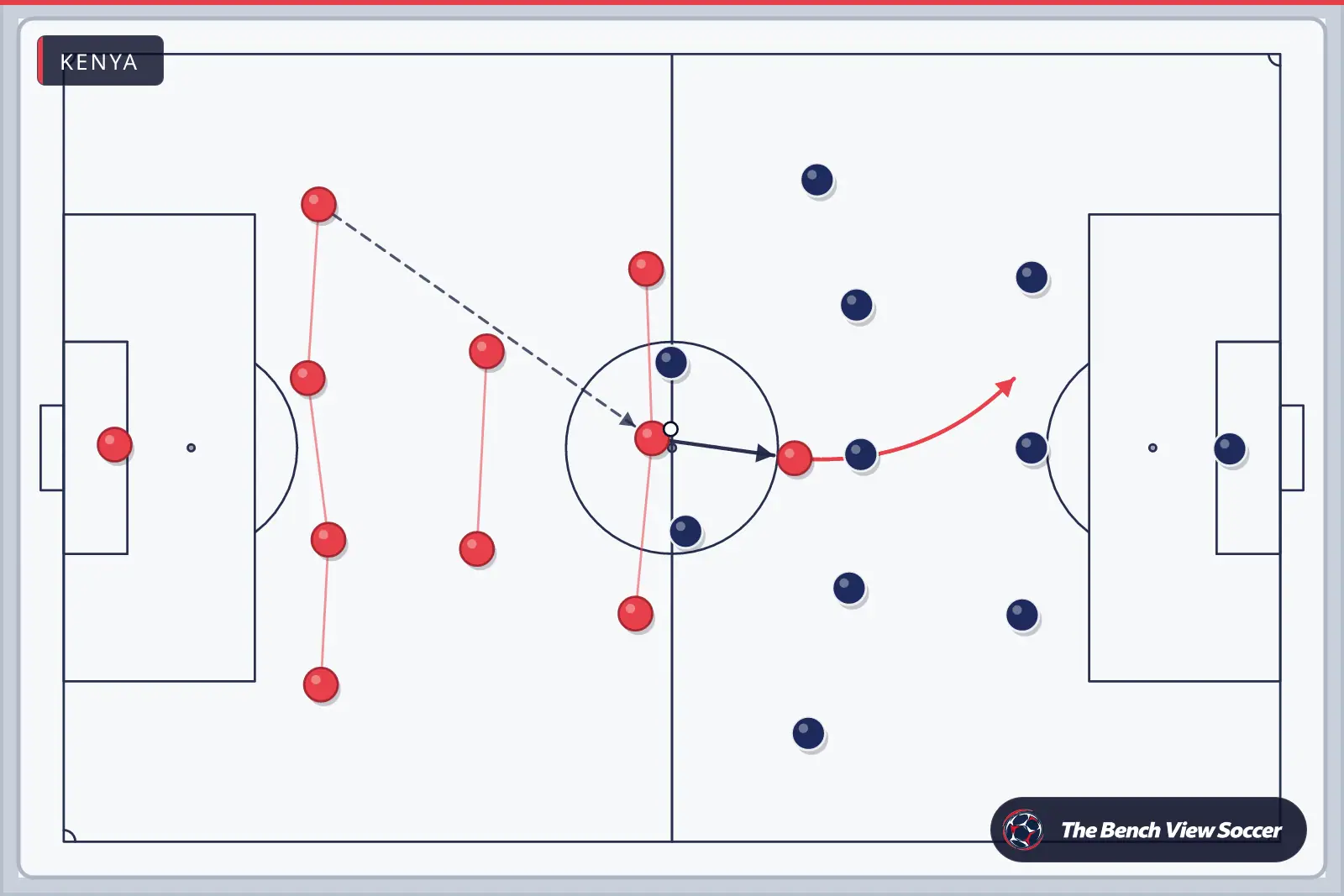
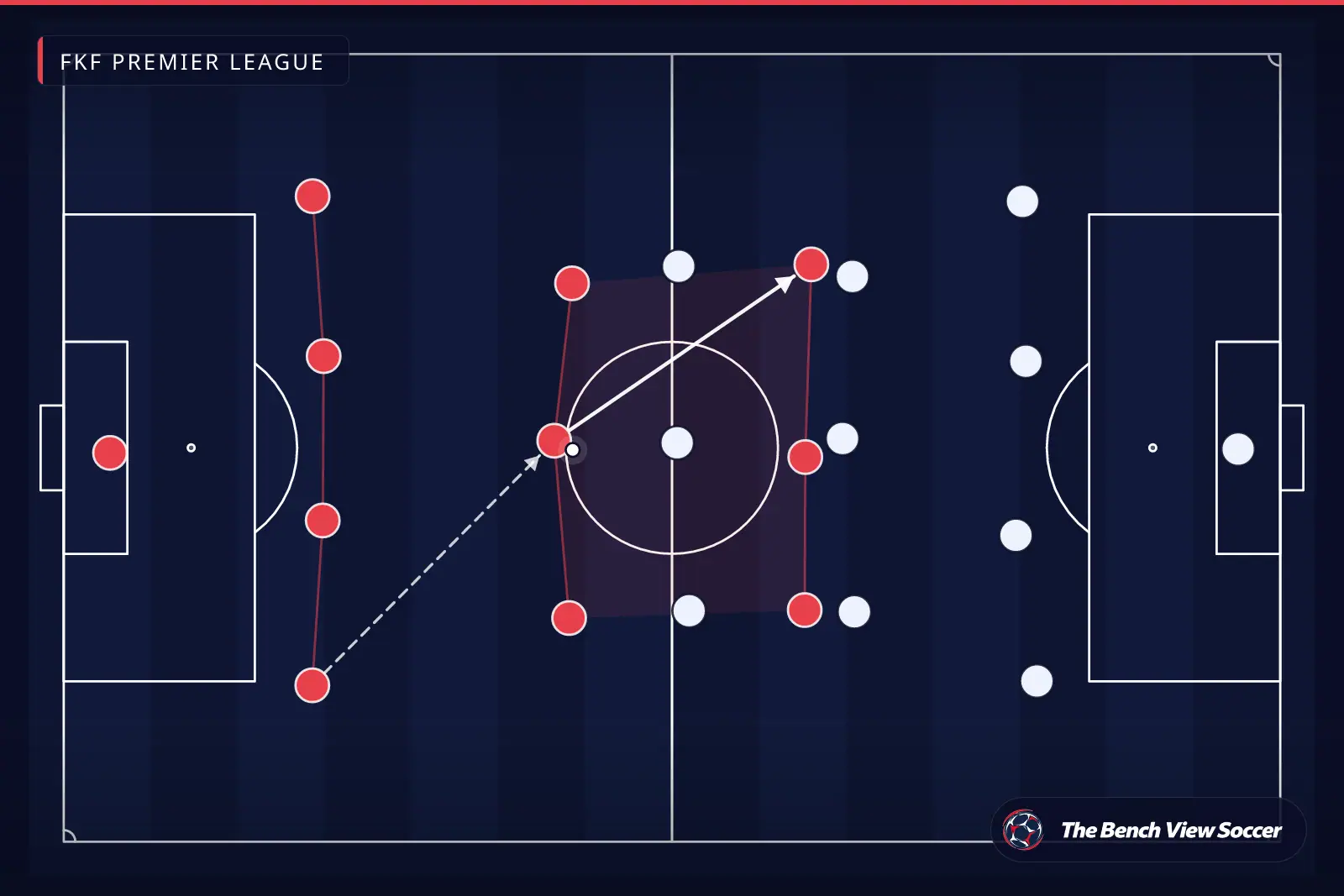
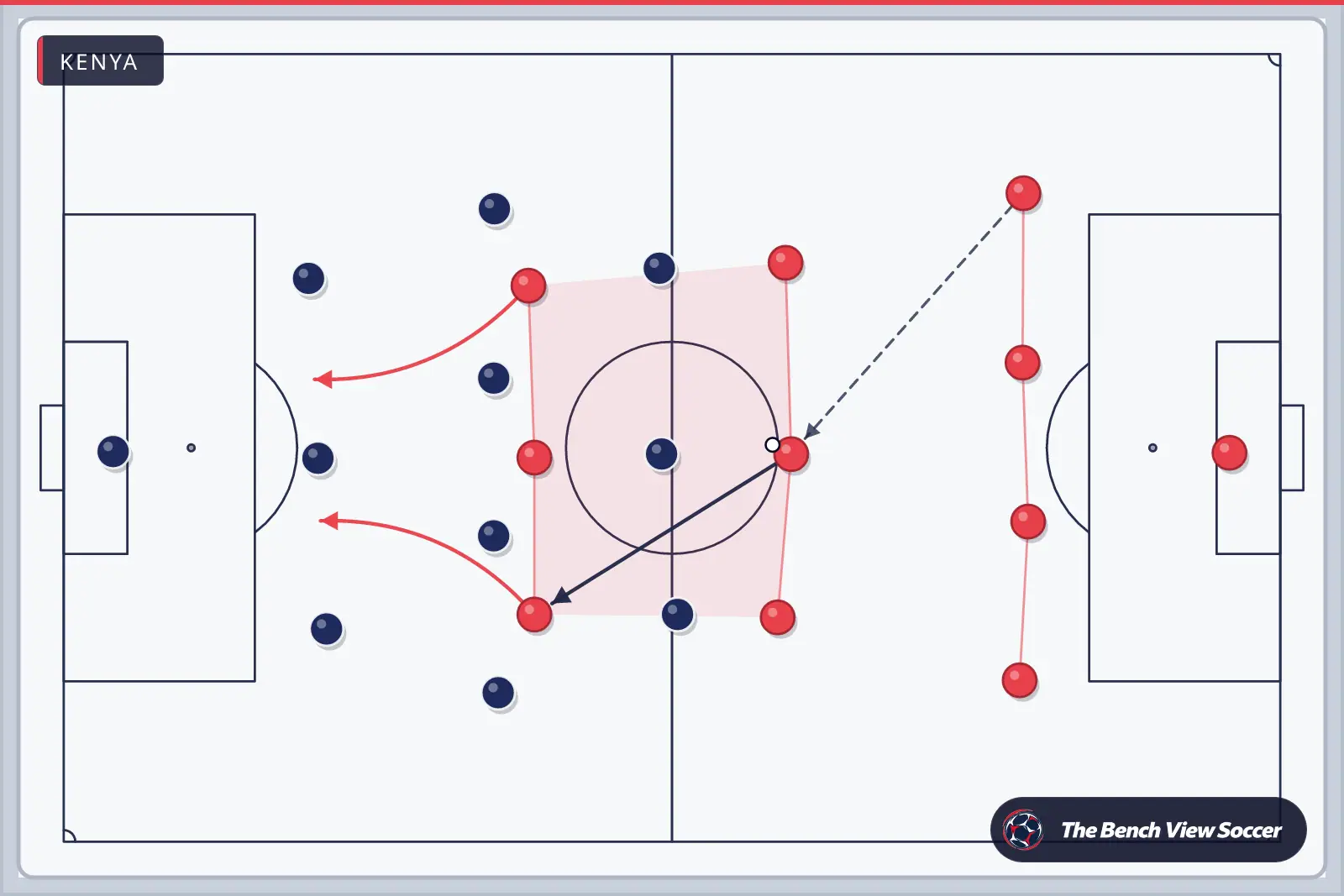
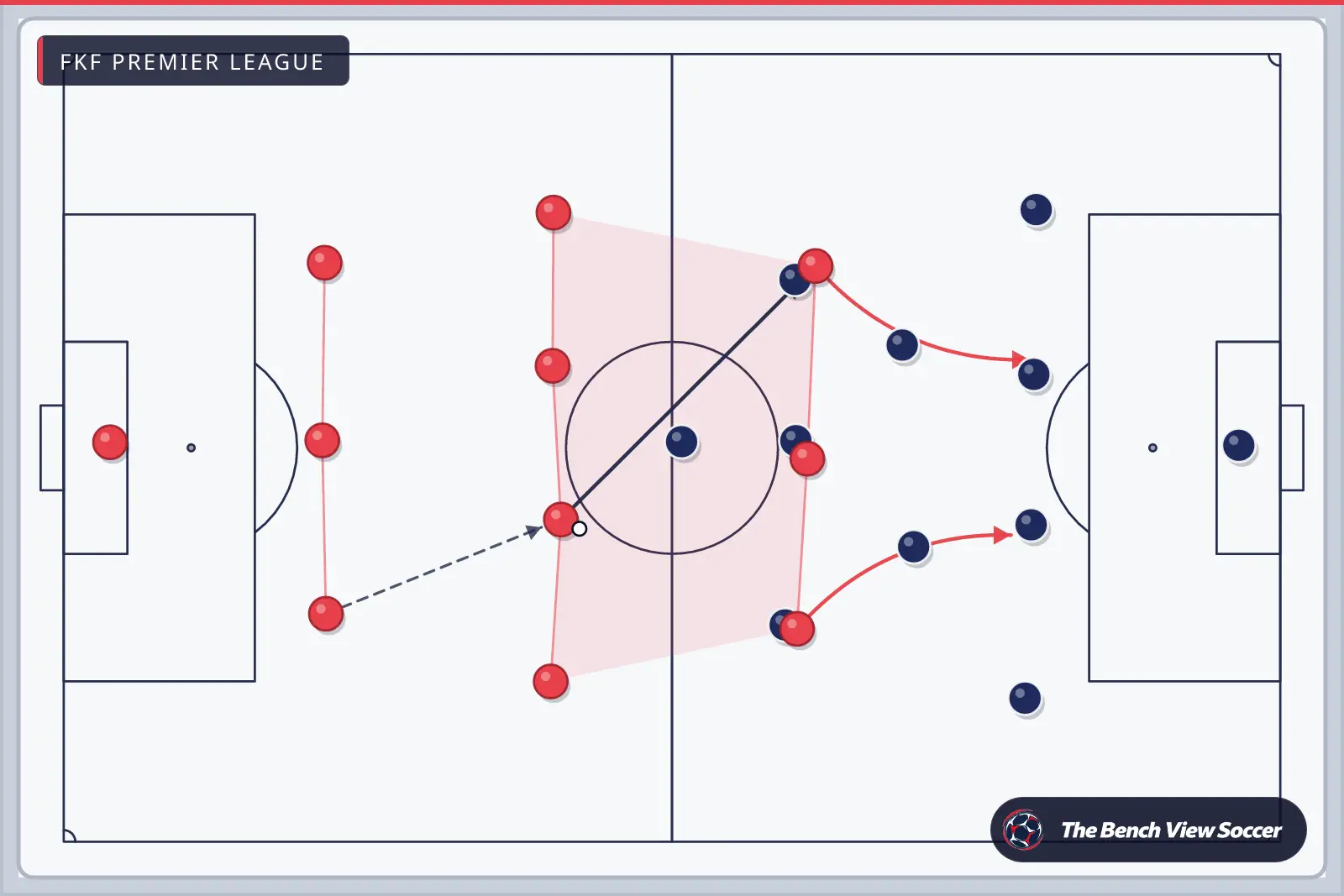
Coaches at FKF clubs emphasize game intelligence—positional awareness, pressing triggers, and transition play—skills that an East Africa football coaching program should replicate at the grassroots level.
What are the best tips to succeed in an East Africa football coaching program?
- Train with purpose: Each session should have a clear technical or tactical goal—don’t just “get touches.”
- Prioritize small-sided games: They speed decision-making and replicate FKF Premier League intensity better than endless drills.
- Build football fitness: Work on repeated sprints, recovery runs, and mobility to match match-day demands in Kenya’s hot climates and busy schedules.
- Watch and learn: Study FKF Premier League matches, Harambee Stars lineups and positional play—understand how pro players move and make decisions.
- Network locally: Coaches, club scouts, and former players in Nairobi, Mombasa and Kisumu are gateways; be visible in local tournaments and school competitions.
What mistakes should you avoid in an East Africa football coaching program?
- Neglecting fundamentals: Skipping basic ball control and passing habits will stall progression—repetition matters.
- Over-specializing too early: Focus on all-round development until late teens; forcing one position too early limits tactical flexibility.
- Poor recovery and diet: Ignoring rest, hydration and local nutritional needs reduces training gains and increases injury risk.
- Ignoring tactical awareness: Technical skill without game intelligence won’t win you FKF Premier League minutes—learn when to press, hold shape and rotate.
Frequently Asked Questions?
How long does an East Africa football coaching program take?
Programs vary: short-term camps run 1–4 weeks, while structured development pathways run 6–24 months. Expect true progress over repeated cycles of training and competitive play, typically visible after 3–6 months of consistent work.
Related Resources
Can I join from a rural area in Kenya?
Yes. Many programs run outreach or satellite sessions in counties outside Nairobi. Use local tournaments, school competitions, and club contacts to access trials and talent ID events—visibility matters as much as ability.
Will this program help me reach Harambee Stars or AFCON?
A well-structured East Africa football coaching program builds the attributes scouts look for—technical skill, tactical awareness, and physical readiness. It’s a pathway, not a guarantee; standout performance in FKF Premier League and CECAFA Cup tournaments boosts national team chances.
Are courses affordable for grassroots players?
Costs vary. Many community programs subsidize fees or offer scholarships. FKF-accredited academies sometimes partner with sponsors to reduce barriers. Prioritize quality coaching and consistent training over flashy facilities.
Conclusion: An East Africa football coaching program is your practical ladder from grassroots play to FKF Premier League exposure and national team ambitions. Focus on disciplined training, tactical learning, and regular competition. Start our free courses on The Bench View Soccer.