how to improve football skills Kenya
Kenya’s football culture—street pitches in Nairobi, county tournaments, and passionate FKF Premier League crowds—creates a powerful environment for development. Whether you aim for Harambee Stars selection or to impress scouts at Gor Mahia and AFC Leopards, practical, consistent training works best.
This guide explains exactly how to improve football skills Kenya players can use: clear definitions, five step routines, real FKF Premier League examples, top tips, common mistakes, and helpful FAQs to speed your progress from grassroots to AFCON-ready.
What is football skill development?
Football skill development is the combined growth of technical ability, tactical understanding, physical fitness, and mental strength. It means improving first touch, passing, dribbling, shooting, spatial awareness and decision-making through repeated practice, match experience, coaching feedback and targeted conditioning.
How to improve football skills in Kenya?
- Assess your current level: Record a short clip or have a coach watch you. Identify one technical, one tactical and one fitness weakness.
- Set specific goals: Use SMART goals—e.g., complete 80% of short passes under pressure, perform 50 quality ball touches daily, increase 5 km time-trial pace by 10% in 8 weeks.
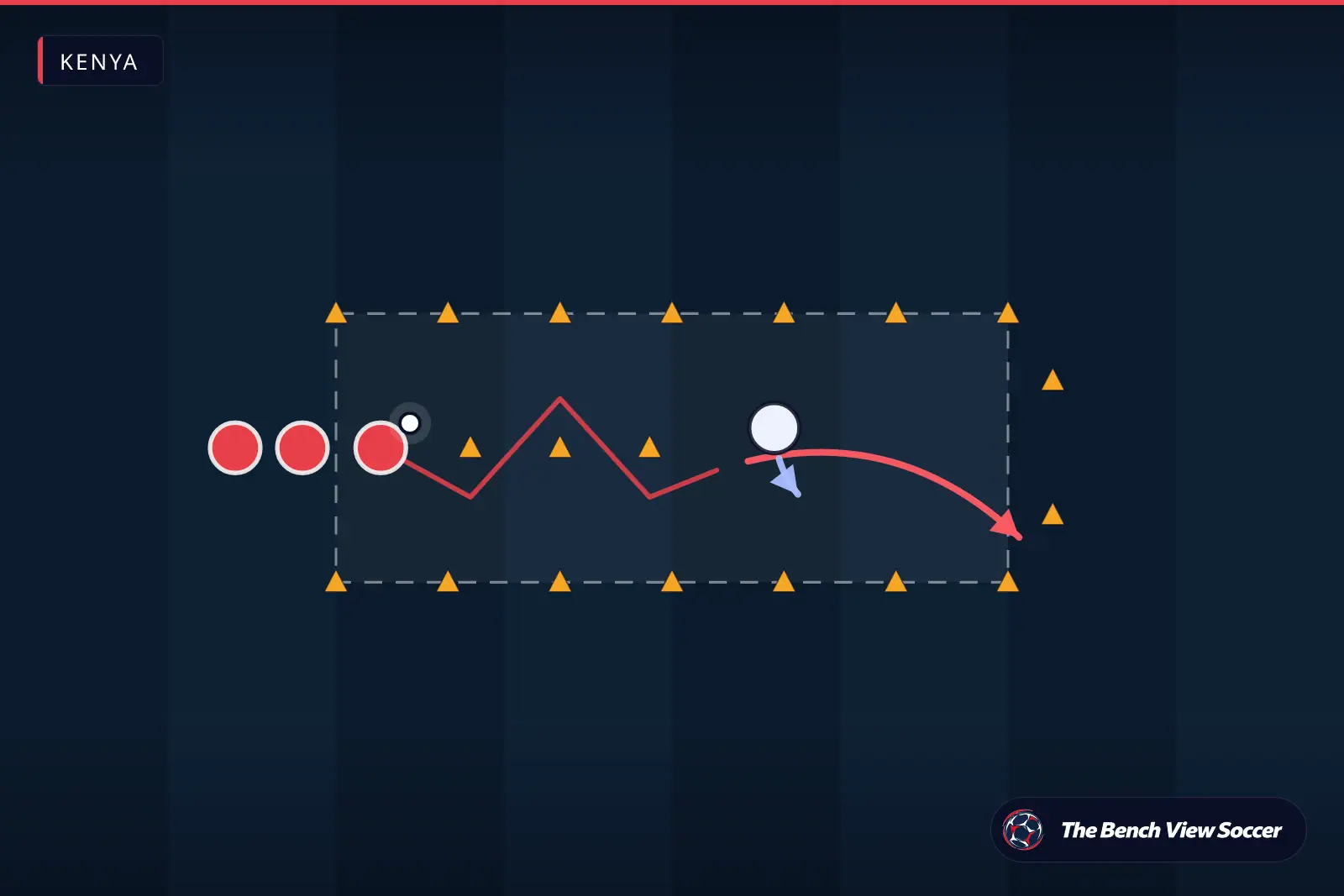
- Daily focused drills: 30–60 minutes of technical work (cone dribbling, wall passes, first-touch routines) plus 20 minutes of finishing and 15 minutes of weak-foot work. Consistency outweighs long, infrequent sessions.
- Play competitive matches weekly: Join local leagues, school competitions, or county tournaments. Match rhythm builds decision-making and resilience—aim for minutes in Sunday leagues, FKF youth setups or CECAFA qualifiers where possible.
- Seek feedback and adapt: Train with a mentor or coach, review recordings, and attend trials. Apply corrections, then re-test. Track progress monthly and update training loads to avoid plateauing.
What are real examples from FKF Premier League?
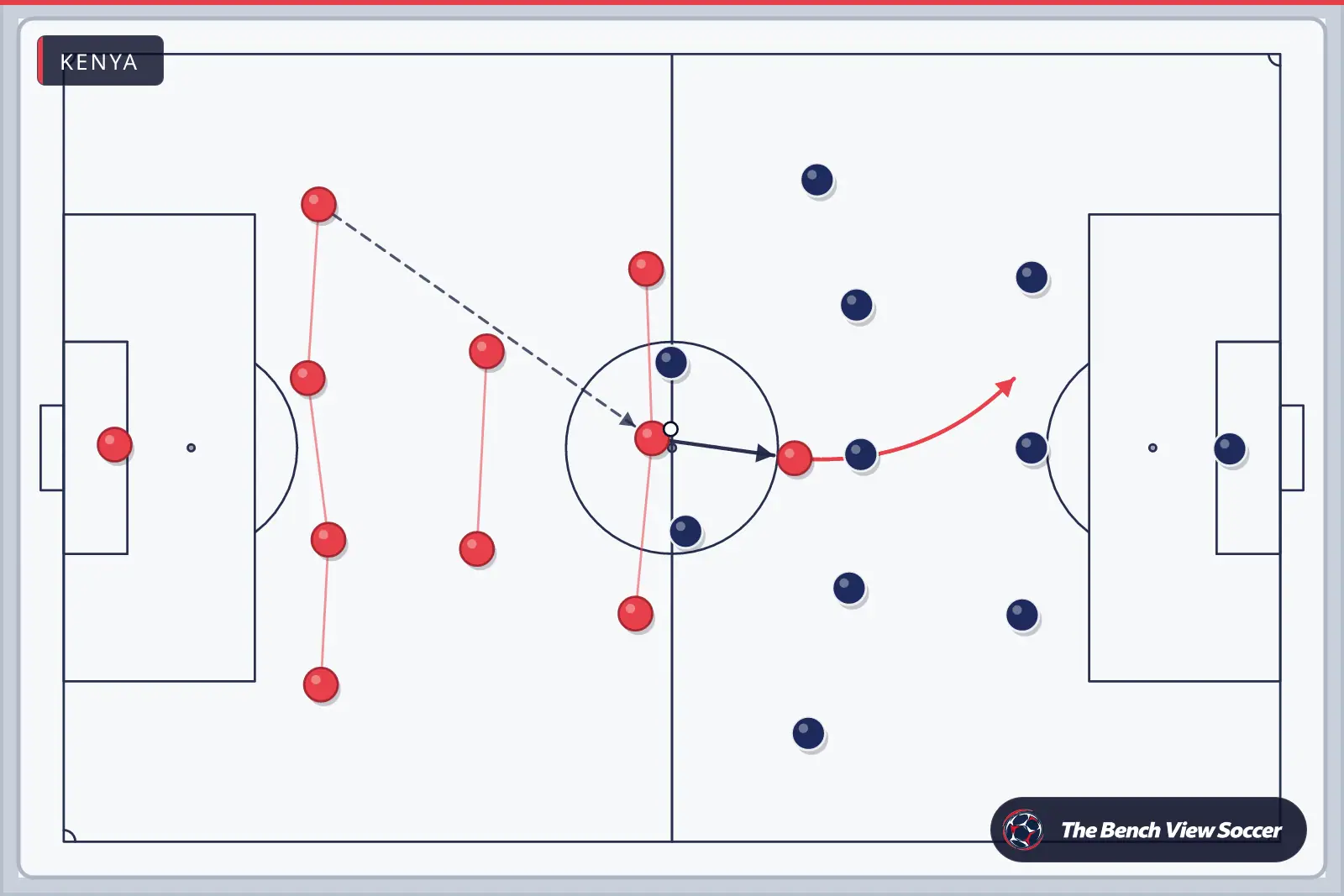
Gor Mahia and AFC Leopards remain models for Kenyan player pathways. Look at how Gor Mahia develop quick transitional play and sharp finishing in build-up phases; AFC Leopards emphasize physicality and set-piece prowess. Harambee Stars players like Michael Olunga (who rose from local football) underline the importance of moving from local leagues to international exposure.
County tournament standouts often find trials with FKF Premier League clubs; use those platforms to show tactical intelligence and consistency. Young players who train at grassroots centres and join club academies get noticed for national youth camps and CECAFA selections.
What are the best tips to improve football skills?
- Prioritize quality over quantity: 20 purposeful minutes of ball work beats 2 hours of unfocused play.
- Train with varied surfaces: matatu park, turf, and hard ground sharpen control and adaptability.
- Develop both feet: dedicate 15 minutes each session to your weaker foot.
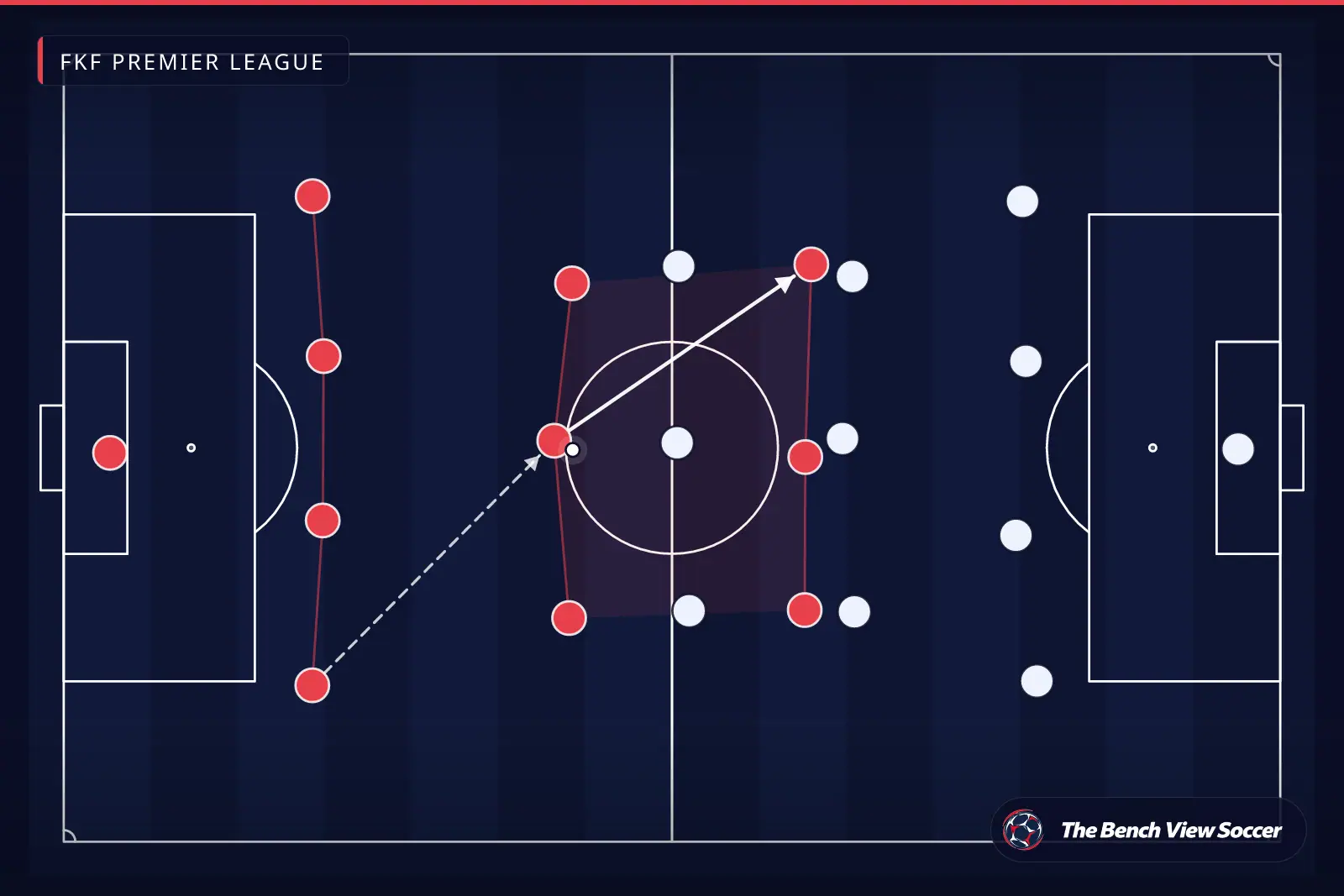
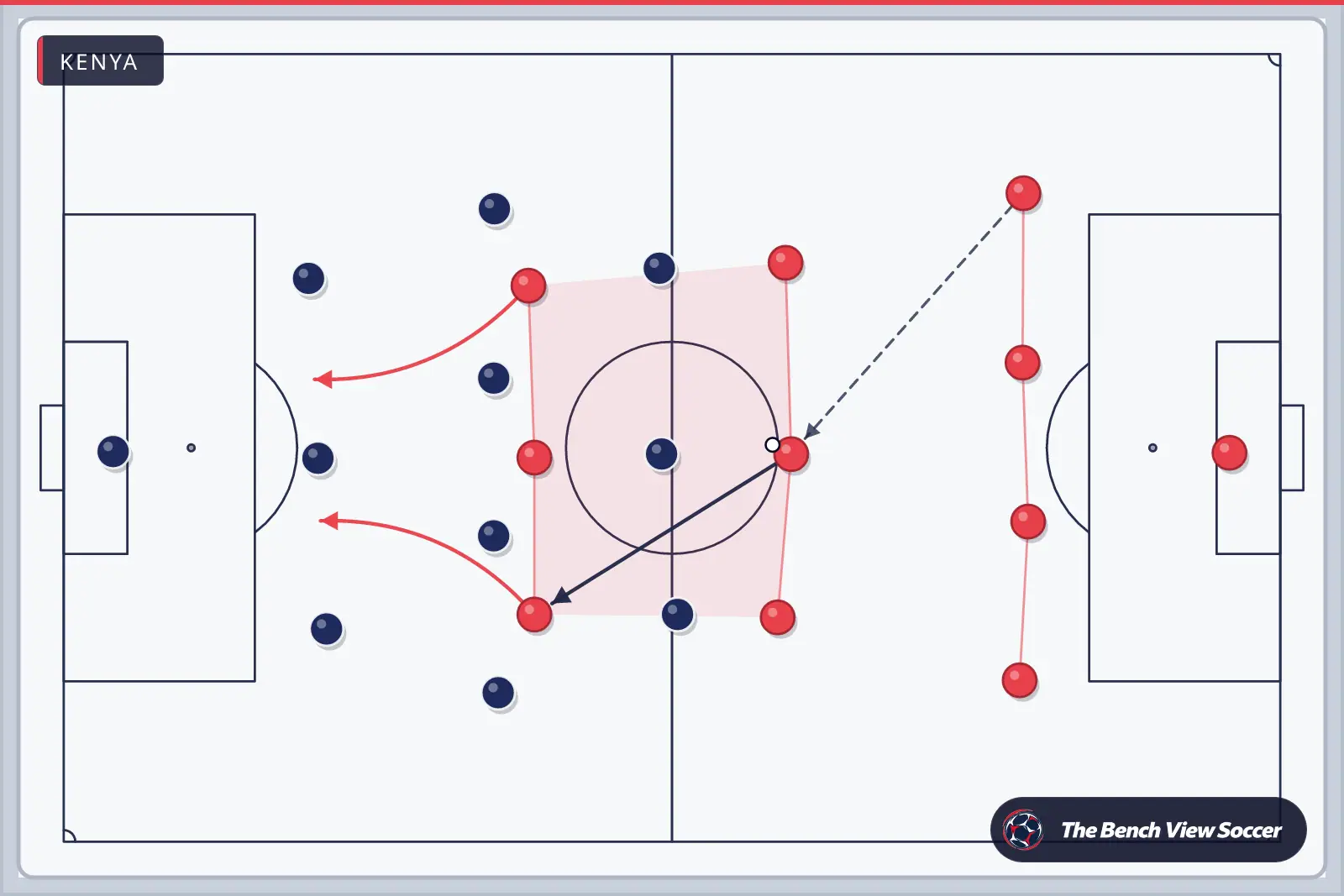
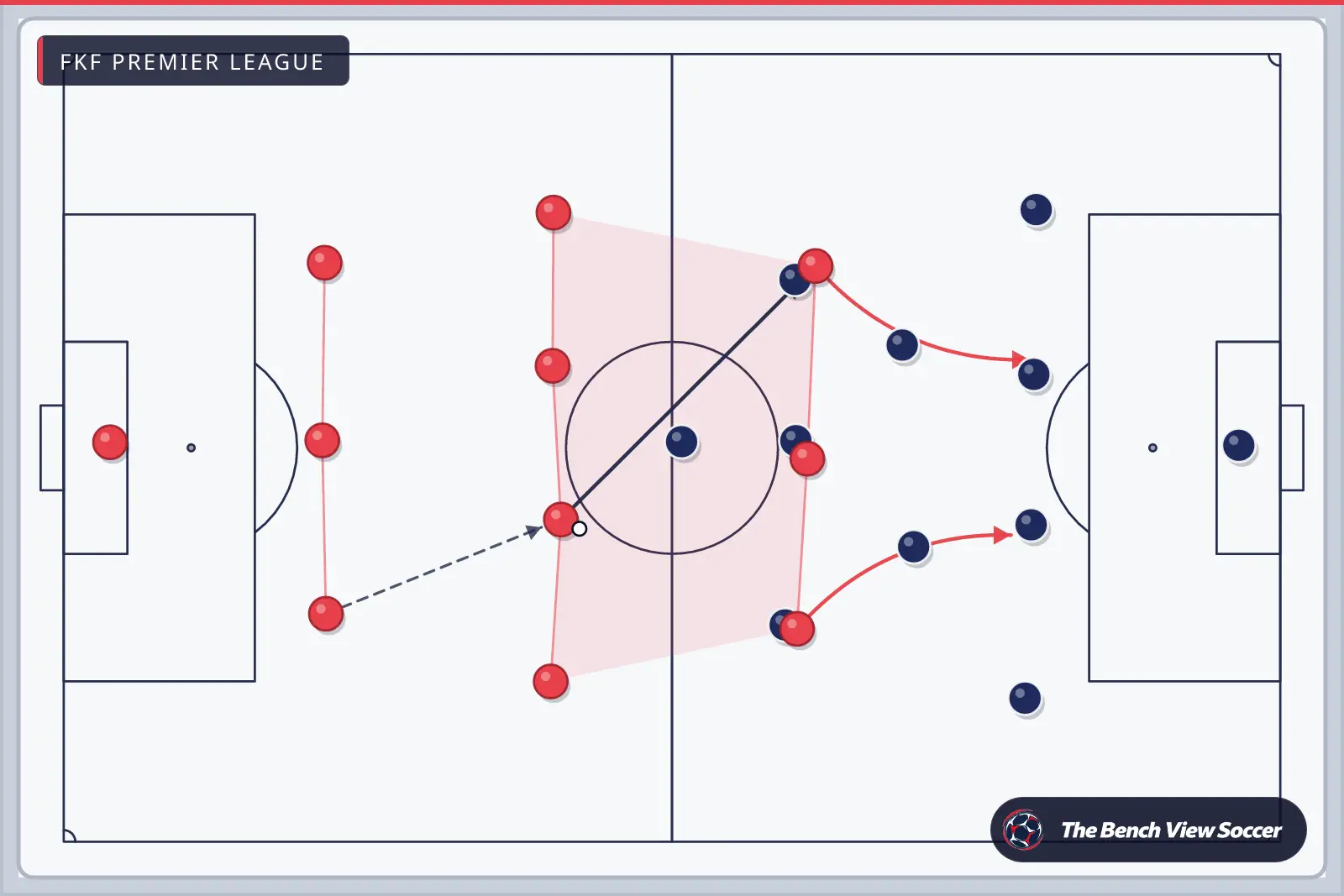
- Analyze FKF Premier League games: study positioning, pressing triggers and set-piece routines used by Gor Mahia and AFC Leopards.
- Build match fitness: combine interval runs, tempo games and small-sided matches to simulate match intensity.
- Mentally prepare: visualize scenarios, rehearse decision-making and cultivate resilience after mistakes.
What mistakes should I avoid?
- Avoid only playing matches without drilling basics—skills improve in repetition, not just by playing.
- Don’t ignore recovery and nutrition—overtraining leads to injury and lost progress.
- Stop copying pros blindly—adapt drills to local conditions and your body type; not every technique suits every player.
- Avoid short-term thinking—focus on steady improvement rather than immediate fame or one-off trials.
Frequently Asked Questions?
How often should I train to see real improvement?
Train technical skills 5–6 days weekly in short, focused sessions (30–60 minutes). Add 3 strength or conditioning sessions per week and play at least one competitive match. Regular, varied training beats occasional intense camps when targeting long-term growth.
Related Resources
Which drills are best for ball control on hard surfaces?
Use wall passes, tight-cone dribbling, toe-taps and volley control drills. Practice cushioning with the sole and inside of the foot. Vary ball speed and practice receiving while moving to simulate street and matatu park conditions common across Kenya.
How can I get noticed by FKF Premier League clubs?
Play county tournaments, join grassroots academy programs, post highlight reels to social media, and attend open trials. Consistency, a coach’s recommendation and performances in CECAFA or youth leagues increase chances of being picked up by Gor Mahia, AFC Leopards, or other FKF clubs.
Can I balance school and football while improving fast?
Yes. Create a schedule that prioritizes short, high-quality training after classes, focus on recovery and sleep, and use weekends for longer sessions or matches. Many Harambee Stars prospects balanced education and development through disciplined time management.
Kenya offers a unique pathway: passionate crowds, visible club pathways (Gor Mahia, AFC Leopards), and regional tournaments that feed AFCON ambitions. Focus on deliberate practice, play smart, and use local match platforms to accelerate growth. Start our free courses on The Bench View Soccer.