

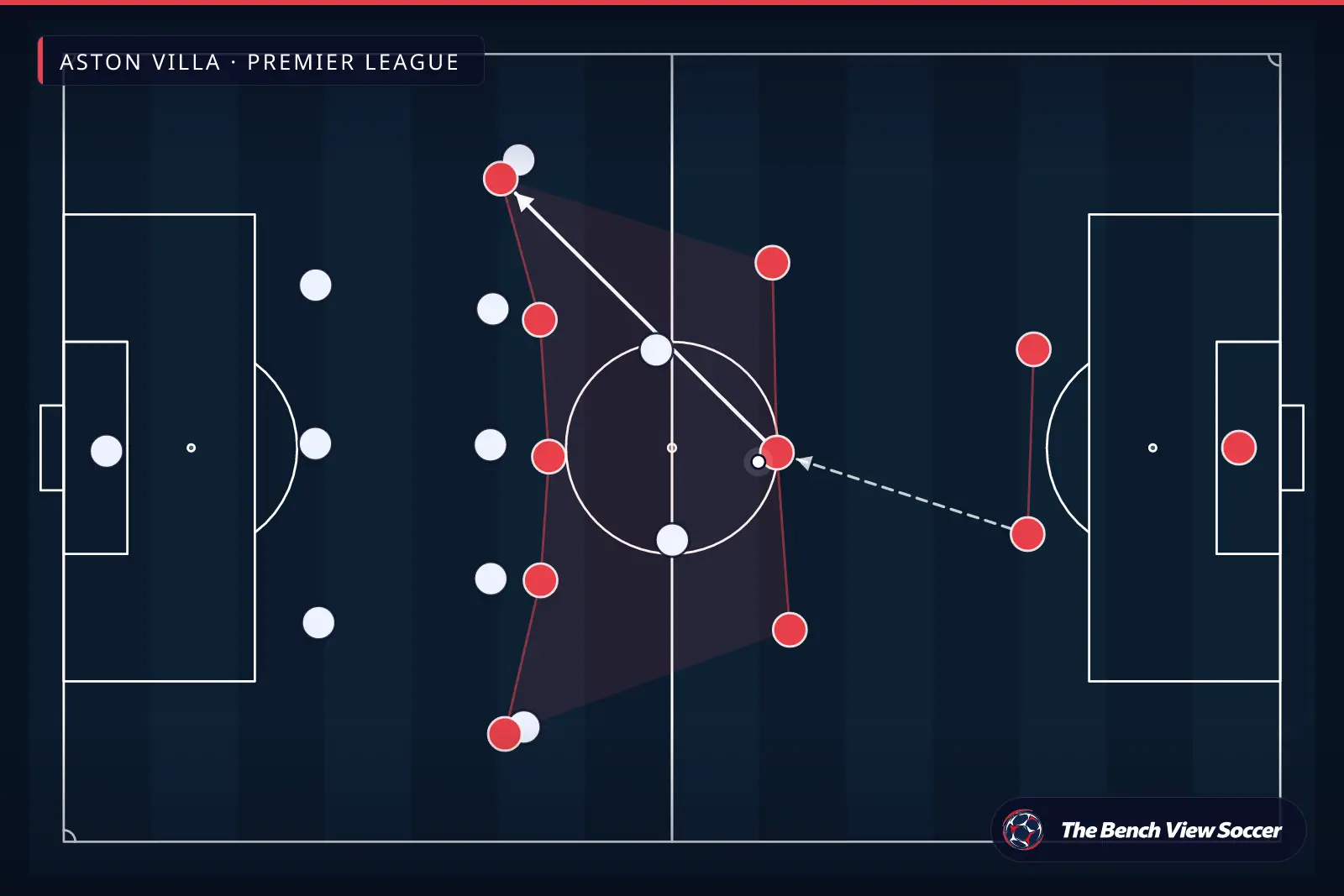
A trending moment with a clear tactical hinge
All the headlines say the same thing: Aston Villa are moving decisively. A destroyer-midfielder named Gomes is close to a major move, and the club’s women’s side has reinforced in goal. That’s the news. The football truth, in our view, is more interesting: Aston Villa’s next evolution under Unai Emery hinges on a single profile in midfield—an aggressive, high-output ball-winner who can stabilise the 2-3-5 in-possession shape, supercharge Villa’s pressing triggers, and harden the rest defense that makes the whole structure purr. If that player is João Gomes, the fit is so clean it borders on inevitable.
Analytically speaking: a João Gomes-type six gives Emery the freedom to press earlier, squeeze higher, and attack with one more body between the lines—without ripping holes in transition defense.
This is not about a name on a team sheet. It’s about what Aston Villa already are—and what they can be when the double pivot becomes a single stopper plus a hybrid eight, when the high line stops being a gamble and starts becoming a multiplication device for chances at the other end.
The thesis: A ball-winning six recalibrates every line of Emery’s Villa
Unai Emery has already designed a high-functioning machine at Villa Park: a team that builds in a 2-3-5, manipulates half-spaces, and sets pressing traps to keep opponents in predictable lanes. But his best versions—at Sevilla and Villarreal—always employed a spine-balancer next to an organizer, someone who could eat up chaos, win on the first duel, or foul cleverly on the second wave. Villa’s injuries and outgoings in recent seasons have often forced Emery to toggle between safety-first and maximalist football. The missing piece has been consistency in the role that absorbs the first counter. Enter a João Gomes profile.
Tactically, the job description is exacting:
- Arrive first to bouncing balls when Villa vacate the fullback zone with underlaps.
- Read the press cue—especially the backward pass into a fullback—and jump without exposing the backline to blindside runs.
- Possess the agility to defend both facing forward (front-foot tackles) and facing backward (recovery sprints into the channel).
- Offer enough security on the ball to switch the point of attack with two touches when the counter-counter is on.
In short, you recruit a six who doesn’t just win tackles; he buys time for everybody else. With that, Emery can push a second eight closer to the pocket, extend the width with both wingers simultaneously, and let Ollie Watkins (or whoever leads the line) play more receiving-facing-forward, less back-to-goal.
How the 2-3-5 actually functions at Villa Park
Let’s crystallise the mechanics. Villa often build with two centre-backs and a midfielder forming the first line, a three “screen” in front (usually a six plus two half-space midfielders/rotating fullbacks), and five on the last line—both wingers pinning the width, a nine occupying the centre-backs, and two interior players in the half-spaces. Within this framework, Emery relies on:
- The left-sided centre-back (think Pau Torres-like) to split lines into the left half-space when the opponent’s winger tucks in.
- The right-back to invert situationally, forming a 3 in the second line to release the right winger earlier on the shoulder.
- The near-side eight performing third-man runs beyond the nine when the fullback traps the play wide.
The structural risk appears when Villa lose the ball in the interior corridor: the counter comes straight through the slot between the inverted fullback and the high eight. Against quick transitions, you’re suddenly asking the centre-backs to defend multiple receivers with acres behind due to the high line. Villa’s offside trap is excellent—but relying on it 30 times a game is living on the edge.
This, precisely, is where a Gomes-type six changes the maths. Because he starts central and steps to the ball on the pass back to the fullback (a key pressing trigger), he either forces a hurried vertical ball—food and drink for Pau Torres and his partner—or he wins the duel outright. If the opponent does break, his recovery lane angles toward the right half-space, nudging the dribbler away from the shortest route to goal and into the cover shadow of the nearest centre-back. The trap has sprung.
Minute-marked patterns: where the upgrade pays off
We can point to repeated game states across Emery’s Villa where the “destroyer six” is the difference between dominance and jeopardy.
1) 17th minute, left half-space overload after a recycled corner
Villa often pile five onto the last line after short corners. If the cross is cleared to the edge, the second phase can go either way. With a ball-winning six parked centrally, Villa retain a stabiliser: he attacks the clearance touch, wins or slows the first duel, and allows the interior to compress around the ball. Without that timing, Villa can be countered down the vacated flank, forcing an emergency backpedal and a yellow-card tackle 30 yards later.
2) 41st minute, right side press trap from a backpass
Emery’s teams cue the jump when the opposition right-back receives a return pass with a poor body shape. The near winger arcs the run to shut down the line, the nine curves to the centre-back, and the six explodes diagonally toward the receiving fullback. This alignment only works if the six trusts his recovery speed and tackling angles. A Gomes-type lives for this moment: body-to-ball, toe poke through, quick release to a free eight. One pass and Villa are striking at a staggered line.
64th minute, guarding the blind side when fullbacks underlap
Villa like to move a fullback under the winger to unbalance a low block. If the turnover happens, that flank is suddenly naked. The six’s job is to slide across early—ideally on the first pass out—to block the switch. A destroyer with a sprinter’s stride beats the ball to the lane and buys 3–5 seconds. That delay turns a 70% shot into a speculative dribble.
The learnings from Emery’s past blueprints
Track Emery’s arc and the pattern repeats. At Sevilla, Grzegorz Krychowiak’s defensive range allowed Éver Banega to play one pass higher. At Villarreal, Étienne Capoue’s capacity to both tackle and carry five metres pulled the rest defense into place and unshackled Dani Parejo from the most violent traffic zones. The principle: an aggressive six turns Emery’s positional play into a territorial stranglehold, not just a passing carousel.
Villa under Emery already mimic these structures. When the double pivot was intact, Villa controlled central corridors well, but the highest ceiling showed whenever the ball-winner could defend forward and not merely screen space. The top-end pressing games—think the home matches where Villa pinned elite sides for long spells—were built on the six’s first step.
Why now? The cause-and-effect behind Villa’s pursuit
The Premier League calendar is a machine that punishes midfielders who merely protect zones. Villa’s ambitions—sustained top-four contention, Champions League nights, domestic cup runs—demand a squad that can repeat high-octane, high-line football every three days. A destroyer six is less a luxury and more a maintenance tool for the game model. Here’s why:
- Rest defense resilience: In a 2-3-5, the “3” is often an illusion against a good counter. It becomes a “1.5” unless the six is explosive and proactive. A player like João Gomes raises that to a true 3 by winning first contacts and organizing second contacts.
- Pressing economy: With a dominant tackler at the hub, the front five run fewer wasted yards. Pressing becomes a two-pass trigger, not a four-pass chase. Over a season, that saves legs and preserves your best players’ attacking output.
- Rotational logic: Emery can swap one eight for a more attacking profile without worrying about soft central transitions. Against lower blocks, he can push both eights beyond the nine simultaneously, because the six covers larger spaces alone.
- Psychological effect: Opponents feel the early bite. A confident six who steps through people changes the way visiting midfields receive the ball at Villa Park—fewer half-turns, more back-passes, more hoofed clearances.
Half-space mastery: opening doors for Watkins and the wingers
The frontline benefits are just as clear. Villa’s wide attackers thrive when the ball arrives in stride, not after three resets. With a security blanket behind them, the eights can stand a yard higher in the half-spaces, pre-activate those third-man runs, and time their darts off Ollie Watkins’ near-post movements. On the right, this particularly matters: the inside-forward can cheat higher if he trusts the six to squash the counter route behind him. It’s the difference between receiving between the lines on the half-turn and posting up with a defender on his back.
Consider the signature Villa move: CB into the near-side eight, lay-off to the inverted fullback, whip to the far winger. That zigzag only harms the block if the far winger has already stepped beyond the fullback. And he will only do that if the team’s rest defense can handle the turnover that occasionally follows. An aggressive, confident six invites bravery from the five on the last line. More bravery, more penetration.
The detail nobody is talking about: fouls as a tactical resource
Sometimes the cleanest tackle is the least efficient decision. One of the under-sung values of a destroyer six is foul management: where, when, and how to stop a break without conceding a dangerous set piece. Emery’s better midfields were exceptional at “harmless fouls”—nudges at the centre line, tugs in the first 10 metres of a sprint, body blocks near the touchline. A João Gomes type tends to be excellent at this grey art. It’s not anti-football. It’s risk insurance that lets the front five turn the dial up one more notch.
Comparative lens: what happened when Villa didn’t have this profile
We’ve all seen the flip side. In matches where Villa’s six was a ‘controller-only’ or when injury forced a more pass-first midfielder to anchor, the same structural pictures became fragile. The opponent absorbed, clipped one straight ball into the channel behind the inverted fullback, and suddenly Villa were running at their own goal. The offside trap is brilliant when the pressure on the passer is immediate; it is suicidal when the pass is under no duress. A tackle-first six creates the duress upon which the trap depends.
This is why the proposed move is not mere depth. It’s a system bet, a return to Emery’s proudest habit: squeezing the pitch until it squeals. If Villa go and get a João Gomes-calibre ball-winner, they are telling the league they’ll solve games by removing opponent time, not by stockpiling possession for its own sake.
On-ball questions: can the six also progress play?
There’s a fair question here: does a destroyer limit Villa’s build-up quality? In our view, no—if the chains are arranged correctly. In Emery’s plan, the six’s job with the ball is neither regista nor showrunner. It’s the first accelerator: take, set, switch. Two touches, three max, ideally off the back foot. The real progressive gears are the left-sided centre-back with the diagonal, the right-inverting fullback with the bounce pass, and the near eight with the half-turn. A Gomes-type can handle the rest: punch a 12-yard firm pass, then step to prepare the counter-press. That’s the point. The six’s passing should increase the likelihood of winning the next duel, not draw pictures for the gallery.
Set pieces and second balls: the hidden 10-goal swing
Premier League seasons can pivot on second phases. A combative six who reads the drop-zone outside the box can convert mess into pressure. Where last year a half-clearance led to a throw-in and a reset, this year it becomes a fresh cross against a retreating line. Over 38 games, that’s a handful of extra goals scored, and a handful prevented when the chaos turns the other way. Don’t underestimate how many points live in that exchange zone fifteen yards in front of the D.
The Watkins equation: freeing the nine’s reference runs
Ollie Watkins has evolved into a striker who does everything: presses, links, runs, and finishes. One of the few ways to give him back five “free” actions per game is to remove the need for him to stretch to the touchline when Villa lose it. With a confident six behind the ball, Watkins can stay central after failed combinations, live on the shoulder, and explode when the regain comes. A press-leading six with quick release converts regains into verticality within two seconds. That replay—regain, set, spin—adds up to high-xG looks over months.
Women’s side, same principle: distribution as defensive insurance
On the women’s side, Villa adding a goalkeeper with confident distribution mirrors the same structural logic. The WSL demands keepers who can create a 3+1 base under pressure, breaking the first line and allowing the midfield to start higher. With better build-out and braver positioning comes the same risk: transition exposure. A more commanding presence in goal who can claim aggressively and start counters with throws compresses that risk and gifts the attack more early-phase launches. The club, across departments, is clearly optimising for teams that hold territory and force the game onto their terms.
Monchi’s fingerprints: recruitment that complements the manager’s geometry
Villa’s football leadership has settled on a joined-up approach: scout for profiles that serve the manager’s zones of truth. For Emery, those are the half-spaces in attack and the central lane in defense. It’s not just names; it’s legs, instincts, and recovery patterns. A João Gomes move continues a run of signings that aren’t merely “good players,” but system operators. That’s how mid-table clubs become Champions League regulars: keep the model, change the parts, push the whole machine.
What changes on day one if Gomes walks through the door?
- Higher starting positions for both eights, especially at home. Expect more early arrivals into the box on cut-backs.
- Sharper press triggers on backpasses. Villa will live a pass earlier, hunting for steals fifteen yards further up.
- A truer rest-defense 3, with the six eating first duels so the nearest fullback can delay rather than dive in.
- Better foul geography. Expect fewer emergency slides in the last third, more bumps at the halfway line.
- Tempo gain after regains. The first pass forward becomes a conditioned reflex, not a hesitant touchback.
Scenario planning: with and without the signing
If Villa land a João Gomes-calibre six, they unlock Emery’s “plus one” in the attacking five. In matches against low blocks, that’s decisive, because it allows both wingers to hold width and both eights to time box entries without fear. Against elite counter teams, it gives Villa the license to compress the pitch and still protect their high line. Over a season, that looks like fewer rollercoasters and more territorial suffocation.
If the deal doesn’t happen, the blueprint remains—but with stricter load management and more conservative selection in away fixtures. The eights’ average positions drop six to eight metres, the offside trap gets less oxygen, and Villa work harder for similar chance volume. The ceiling is still high, but the margin for error shrinks on three-game weeks.
The counterargument: does a destroyer invite too many cards and disrupt flow?
This is a legitimate concern. The Premier League is unforgiving on timing and accumulation. A hyper-aggressive six can gift opponents set pieces and earn suspensions that destabilise the rhythm. There’s also a stylistic worry: if the six is limited on the ball, teams may sag off, daring him to be the playmaker, thereby compressing Villa’s central passing lanes.
We accept the premise—but argue the resolution lies in coaching and partnerships. Emery’s pressing patterns are choreographed; jumps happen on collective cues, not solo heroics. That reduces wild swings. And on the ball, the solution is spacing: drop a centre-back five yards wider, let the six play into a safer triangle, and return the creative load to the half-space eight and the stepping centre-back. A destroyer doesn’t have to write the symphony; he only needs to keep the tempo. Controlled aggression is a teachable habit. Villa’s staff has shown they can coach it.
Training ground translation: micro-details that will surface early
- Body orientation on regains: Look for the six to receive side-on, back foot open to the opposite channel. First touch sets the switch, not the dribble.
- Blocking lanes, not chasing men: The six will run diagonally to the passing lane on turnovers, showing the ball to the touchline and away from the centre.
- One-touch lay-offs under pressure: When swarmed, the safest pass is often the fastest. Expect drilled one-touch returns into the nearest centre-back, then a quick pivot to receive again.
- Communication cues: Hands out early to marshal the fullback and nearest eight. A vocal six is a half-step advantage for everyone behind the ball.
What it means for the season: from good pressing team to territorial bully
With a Gomes-type six, Aston Villa can move a tier up in the attack-to-defense transition moments that decide top-four races. More high regains lead to more short-field chances; fewer clean counters conceded maintain emotional control of matches. Villa’s high line stops feeling audacious and starts feeling inevitable. At home, that can be worth ten points; away, it’s the difference between a draw and a late smash-and-grab winner.
Squad-wise, it distributes labour more sanely. Your more creative eight—whether it’s a pass-volume metronome or a ball-carrying half-space breaker—gets to live in the fun zones and arrive into the box without checking the handbrake every time the ball travels. That’s how you turn good games into dominant performances.
Historical comparison: the Emery spine, now in claret and blue
Think back to Emery’s Sevilla who could hunt teams into the corners and keep them there. The trick wasn’t just pressing; it was what they did on the second regain. The destroyer made sure there was always a second regain. At Villarreal, the same pattern. Villa are on the cusp of that identity. The missing link has been a six who lives five yards higher than a controller and five yards earlier than the rest of the line. A João Gomes profile fits that geography exactly.
Opponents’ adaptation: what Premier League teams will try
Expect opponents to attempt three counters to Villa’s enhanced rest defense:
- Double movement from the nine: Drop to lure the six, then spin into the space he leaves. The answer is communication—centre-back steps on the drop, six holds the lane.
- Big switches to the weak-side winger: Force the six to decide between blocking the switch and shielding the middle. The fix: weak-side fullback tucks earlier; six blocks the central lane first.
- Late-arriving midfield runners: If the first duel is slowed but not won, the trailing runner can become the free man. Villa’s eights must buy into the chase-back ethic for the first five seconds after losing it.
Set-piece knock-ons: attacking and defending
Defensively, a combative six will front the near-post zone and attack second balls at the edge. Offensively, his presence means Villa can keep two eights high on corner routines, prepped for the return cross. Across a season, those details contribute to marginal gains that compound.
Why the price makes sense in football terms
The top of the Premier League is a market for marginal advantages. Paying premium for a six who lets you deploy one extra attacker safely is not about flash; it’s about multiplying your best habits. If that player upgrades your press, stabilises your rest defense, and lifts your half-space numbers by a few high-quality touches per match, the outlay turns into expected points. Price is always relative to the game model. In Villa’s model, the destroyer is leverage.
Zooming back to the women’s frame
On the women’s side, the logic is mirrored: a goalkeeper who can vary distribution and command the box enables the same positional bravery upfield. Build at will, compress space, attack with numbers—because you trust the gatekeeper and the structure. It’s one club, one identity: front-foot football that bets on winning the middle three seconds after any turnover.
What to watch in preseason and the first six league matches
- The height of the average position of the eights. Are they five metres higher? That’s your early tell.
- The timing of the first press trigger. Are Villa jumping on the first backpass or waiting for the second?
- Fouls conceded location. If most are in the middle third and near touchlines, that’s good management.
- Transition goals conceded. If Villa go five to six games with minimal odd-man rushes against, the six is doing his job.
- Watkins’ receiving map. Fewer touches near the touchline post-regain, more inside-channel bursts—then the system is feeding him correctly.
Final counterbalance: when the destroyer sits
There will be matches—perhaps away at a deep 5-4-1—where Emery might choose a more passing-heavy pivot to pry open a reinforced shell. That’s the nuance. A João Gomes profile isn’t a one-size-fits-all hammer; it’s a default setting for 70% of fixtures that raises your floor. The remaining 30% will still require horses for courses.
The decisive verdict
Tactically speaking, Aston Villa’s move for a João Gomes-type six would be the single cleanest upgrade they can make to amplify Emery’s football. It shortens the field in both directions: opponents have less time to breathe, and Villa’s attackers have less distance to travel when chances break. Add a commanding WSL goalkeeper and you can see the club’s blueprint written across both first teams: keep the ball when it matters, take it back the instant it doesn’t, and run the match from the middle lane.
That’s not transfer noise. That’s a system tightening its bolts.
In our view, if this deal lands, Villa won’t just be more solid. They’ll be more inevitable. And inevitability is how you move from “exciting” to “elite.”
The Bench View app
Don’t just read football — train it
Everything you read here, turned into training you can follow step by step.
Physical training at home
AI daily sessions adapted to your level and position. No equipment needed.
Tactical training courses
Step-by-step courses on positioning, pressing, build-up and decision making.
- 7 days free
- No commitment
- Cancel anytime
Free account: 2 physical sessions + the first tactical course. PRO: 7-day free trial — cancel before day 8 and you pay nothing.
More Analysis
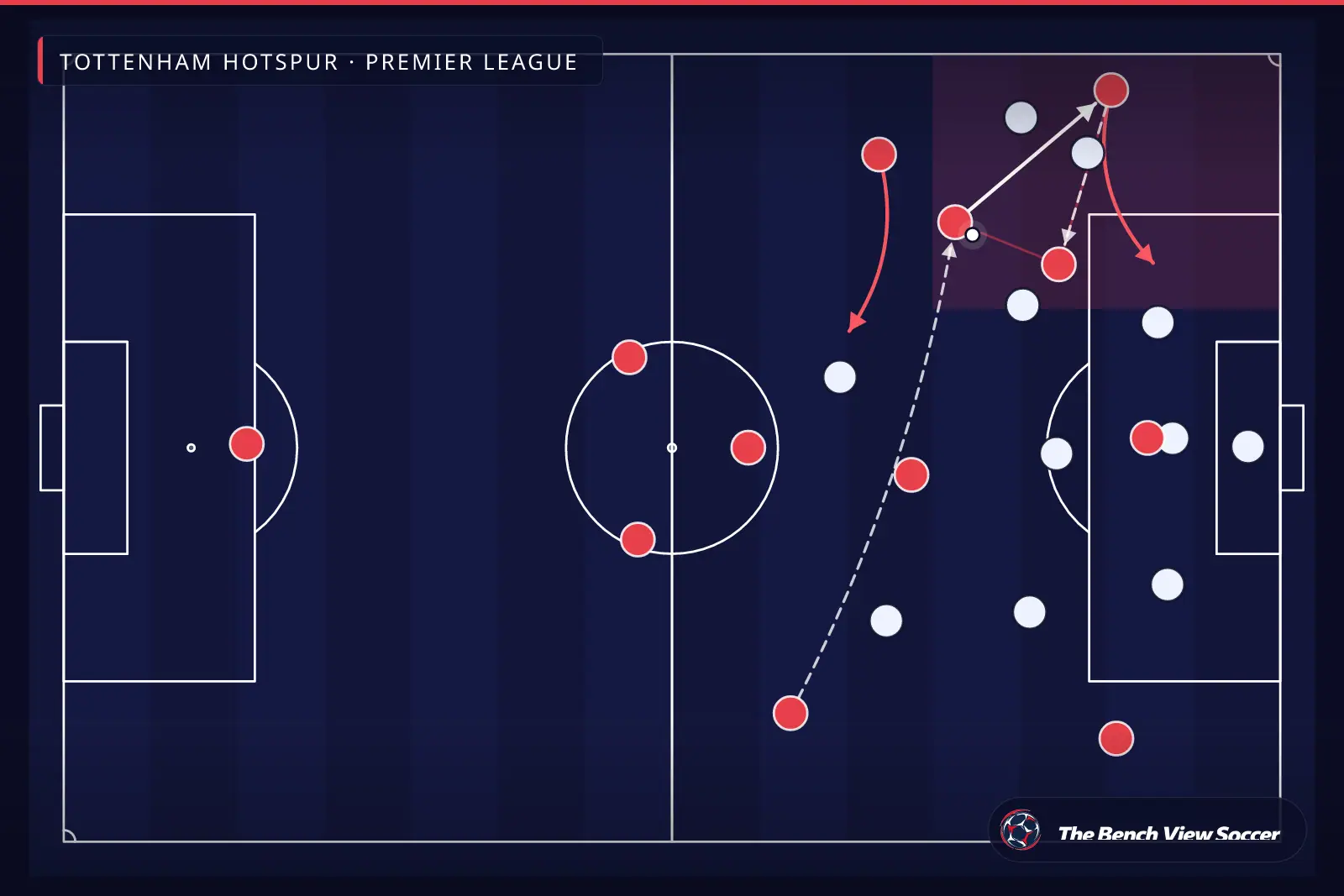
Tottenham Hotspur: Why a Gakpo-Style Inverted Winger Unlocks 3-2-5
August 25, 2026
Manchester United's Baleba Move Fixes Their Rest-Defense Gap
August 22, 2026
Rodri to FC Barcelona: How the Pivot Reinvents Rest-Defense
August 19, 2026
Benfica's Inverted Right-Back Plan Made Dedić a £30m Upgrade
August 18, 2026