

Rodri to Barcelona: The Moment and the Thesis
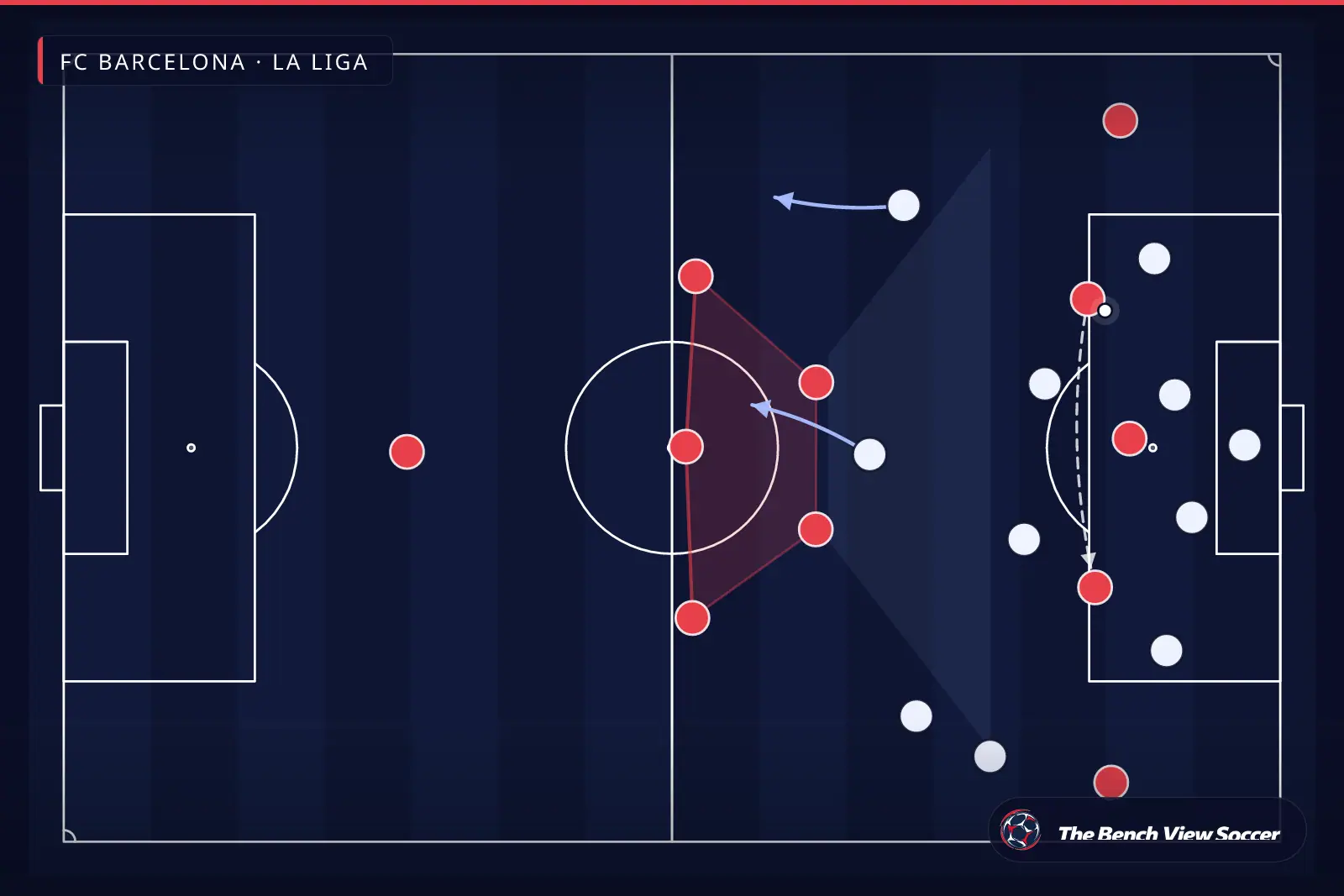
FC Barcelona just moved the chess piece that changes the whole board. With Rodri completing a high-profile switch from Manchester City, the club hasn’t merely signed a world-class midfielder — they’ve purchased a game model. Tactically speaking, this is the transfer that could rewire how Barcelona control the pitch without the ball as much as with it. The bold claim, right up front: Rodri’s arrival is the quickest way to restore Barcelona’s lost tempo and rebuild their rest-defense — the off-ball structure that decides whether you suffocate opponents or suffer transition chaos.
In our view, everything else flows from that premise. Possession is Barcelona’s brand; prevention should be their edge. Rodri is the rare single pivot who turns sterile dominance into territorial security, and who turns sterile security into attacking license. The last time Barça had this was prime Busquets. The club has chased various imitations and interim fixes; now they’ve signed the genuine article for the modern game.
What Rodri Changes on Day One
Start with Phase 1 build-up. At City, Rodri didn’t just receive; he arranged. He organizes teammates with micro-adjustments: two yards left to unlock a passing lane, a backward step to bait pressure, a body angle that invites the full-back to underlap. This is press-resistance not as a party trick but as a team shape amplifier. At Barcelona, that skill translates directly into a stronger first line and a clearer exit.
There are three immediate upgrades he provides:
1) A calmer first pass out of pressure. Rodri’s scanning rhythm — shoulder checks before and after the touch — means he identifies the third-man option while the press is still winding up. Expect more bounce passes into the near-side interior and faster switches through the weak-side full-back.
2) A cleaner 3-2 foundation. Whether the center-back splits or the right-back inverts, Rodri anchors a stable two in front of the last line or drops to create a line of three. This variability demands fewer emergency touches from center-backs and creates reliable positioning for the interiors.
3) An automatic rest-defense net. Even when Barcelona are in full flight (5 in the last line), Rodri’s default starting point sits on the edge of Zone 14, slightly favoring the ball-side half-space. That half-step positioning shortens counterpress distances and chops off counters at source.
The Salida That Sticks: 3-2, Not 2-4
Barcelona’s most sustainable base in possession, with Rodri, is a 3-2-5 rather than a 2-3-5. The distinction matters. In a 2-3-5, the pivot is often pulled horizontally to cover the full width of midfield, and the interior players must turn into pseudo holding roles when the ball turns over. In a 3-2-5 with Rodri plus one (an interior or an inverted full-back), the second midfielder can step higher more confidently, knowing the pivot locks the middle and the back three can fan out to cover both channels.
Practically, that looks like this: right center-back pushes to the half-space; left-back tucks in to form the third center-back; Rodri holds the center lane; the near-side interior jumps into the half-space pocket, and the far interior threatens the back line. The wingers pin the last line; the nine stays between center-backs. Space opens for underlaps because the opponent’s first pressing line cannot collapse without leaving Rodri free between them.
Third-Man Superiority Without Forcing It
The best third-man actions feel effortless. Rodri’s presence means Barcelona can create positional superiority in the middle third without choreographing elaborate rotations. A simple pattern becomes devastating:
- Center-back to Rodri (drawing the nine)
- Rodri bounce to interior (drawing the six)
- Interior layoff back to Rodri (now free, body open) to play the diagonal into the winger’s run or slip the underlap.
Because Rodri’s timing is so consistent, the receiver is usually already moving. That’s the difference between a run arriving to meet the ball and a run having to start after the pass. The former breaks presses; the latter invites duels.
The Defensive Transformation: Rest-Defense Rebuilt
If you’ve watched Barcelona in recent years, you’ve seen the same film on repeat: expansive shape, a sloppy pass, then panic in transition. The true legacy of Busquets wasn’t just line-breaking passes — it was early interventions that turned 4v3 breaks into harmless 2v2 chases. Rodri’s superpower is replicating that, but with modern athletic and spatial coverage calibrated to today’s pressing cycles.
Positionally, Rodri plants himself where counters first become dangerous: the moment the opposition ball-carrier lifts his head. His body shape makes dribbles unattractive (showing the outside), and his tackling is less about winning the ball outright than about resetting the opponent’s angle. By forcing an extra touch toward the touchline, he buys time for center-backs and the recovering full-back to squeeze. That’s rest-defense doing its job — replacing last-ditch interventions with early, intelligent friction.
Vertical Traps in the Middle Third
Barcelona will be able to install a simple but lethal transition trap with Rodri: invite the first vertical pass into the feet of the opponent’s nine, then collapse. Rodri steps in from behind as the passing lane closes; the near-side interior covers the bounce; the ball-near full-back pinches to intercept the outward escape. When executed, it produces clean recoveries in central zones — the best launchpads for immediate chance creation. Tactically speaking, expect Barcelona’s PPDA to tick up in a positive way — fewer aimless pressures, more high-value clamps.
Busquets Lineage — and the Crucial Differences
The inevitable comparison frames this transfer: Rodri as the new Busquets. In our view, it’s more accurate to say he’s an heir who plays the role through a different lens.
- Busquets was a conductor of space who delayed with his pausa — the half-second hesitation that invited pressure and then eliminated it.
- Rodri is a thermostat. He sets the game’s temperature and refuses to let it boil or freeze. Where Busquets solved chaos at the last possible moment, Rodri tends to prevent it from happening at all.
In possession, Busquets often progressed by deception (the feint, the blindside split). Rodri progresses by inevitability: move the marker a step, re-angle the lane, then punch the pass. Out of possession, Busquets anticipated pockets; Rodri denies them from existing. Both are elite; the outcomes are similar; the mechanisms aren’t.
How That Matters for the Current Core
For creative interiors like Pedri and Gavi (when available), a pivot who removes volatility is a force multiplier. Pedri prefers to receive between lines on the half-turn. Gavi thrives in repeated pressing and short-combination cycles. Rodri’s steadiness increases the volume of those touches and decreases the punishment for a loose pass. Wingers — and Barcelona have young, one-v-one wingers tailor-made for stretching a back five — benefit from earlier, flatter diagonals that arrive to feet or space before the block recoils.
From City to Barcelona: Same Principles, Different Problems
There’s a trap in assuming a one-to-one transplant from Manchester City to Barcelona. City’s superstructure under Guardiola gave Rodri the perfect blend: high full-backs pinching into a box midfield, wingers holding width, and near-perfect spacing in the first line. Barcelona will not replicate that geometry exactly — nor should they. The tactical challenge is to keep the single pivot role intact without demanding he become two players at once.
Practically, Barcelona must choose between two consistent build-up personalities rather than oscillating. Option A: the right-back inverts to join Rodri, creating a 3-2-5 and allowing the left-back to push. Option B: Rodri alone holds as the six while both full-backs are alternated to form the back three. The key is clarity: Rodri can solve a lot, but no pivot thrives behind messy distances. City’s gift to Rodri was repeatable distances and consistent heights. Barcelona’s task is to copy the repeatability, not the blueprint.
Why This Happened: Tactical and Systemic Drivers
Strip away the headlines, and the causes become tactical. Barcelona’s last seasons have been defined by an identity tug of war: desire for front-foot pressing and width against the need for control and rest-defense. Injuries in midfield have often forced double pivots that trimmed playmaking higher up. Short-term fixes offered solidity but bled fluency.
Rodri solves the contradiction. One player gives you both control and coverage, so you can field an extra attacker higher and keep wingers high and wide. He’s also a reference point for pressing: on oppositional goal-kicks, he can step next to the nine to block central access, then glide back into the six space on the first back-pass. That elastic positioning is the keystone Barcelona lacked.
There’s also a Spanish national team through-line. Spain’s Euro 2024 run leaned on Rodri as a stabilizer while creators sprinkled runs around him. Barcelona, conceptually, want that. If club and country are aligned in pivot usage, the weekly training repetitions compound rather than conflict.
Evidence File: The 68th Minute, Zone 14
One action describes the threat Rodri adds in the final third — not as a volume shooter, but as a late-arriving problem. In the 2023 Champions League final, 68th minute, he arrived from the edge of Zone 14 into the right half-space pocket and guided home the winning strike. The point isn’t the goal itself; it’s the timing of the step beyond the six space, once the box is occupied and the clearance angle is predictable. Barcelona’s attack has long missed that delayed runner from the pivot line who can recycle or punish. Rodri won’t do it often — he’ll do it when the trap is sprung and the rest-defense behind him can absorb a counter if he’s caught high.
The Big Build-Up Picture: Body Shape, Scanning, and Ball Speed
Three micro-details will define how quickly Barcelona realize the Rodri dividend:
- Body orientation on receipt. Rodri opens his hips to both sides without crossing his feet, enabling immediate diagonals through either half-space. Barcelona’s interiors will quickly learn to read that opening and make synchronized third-man runs.
- Scanning cadence. Rodri’s shoulder checks are habitual — one before the ball travels, one as it arrives, one as he cushions. That three-beat pattern means the next pass is chosen before the first touch, so the ball speed never dips in central zones. Opponents get forced wide, where pressing traps are easier.
- First touch as disguise. The pivot’s first touch can bait a presser into the wrong lane. Expect Rodri to take touches that invite pressure into what looks like a cover shadow, only to slip the ball into a blind pocket.
Set-Pieces: The Hidden Edge
Barcelona’s set-piece defending has often oscillated between zonal fragility and man-marking mismatches. Rodri cleans both. His aerial timing in the first contact zone (near the penalty spot for defensive corners) is elite, and his box-outs allow center-backs to attack second balls rather than wrestle. Offensively, he provides a near-post run that doesn’t try to score, but to flick, creating chaos for the back-post poacher. Those small margins convert draws into narrow wins over a season.
Where He Makes Teammates Better
- Center-backs: With Rodri sitting and guiding the press, center-backs can step into midfield earlier without fearing a vacuum behind them. Expect more tackles and interceptions in the middle third — a positive sign of compression, not exposure.
- Full-backs: Underlapping becomes safer. When the right-back darts inside to become the extra interior, Rodri rotates to screen the channel, preventing the classic 2v2 wing counter.
- Interiors: More touches in the right half-space facing forward, fewer rescues facing their own goal. Rodri’s positioning removes the need for interiors to drop into the first line as auxiliary sixes.
- Wingers: Earlier release passes let them attack unsettled back lines. Against a back five, they’ll receive 1v1 before the wing-back’s help arrives.
Lessons from History: The Pivot That Rewires a Team
We’ve seen this film before across elite clubs. Makelele’s move to Chelsea in 2003 redefined Premier League control, not by passing volume but by territorial sanity. Busquets’ emergence in 2008-09 catalyzed Barcelona’s peak Juego de Posición. More recently, Rodri himself enabled City’s treble-era obsession with stability through the middle.
The through-line is that a world-class pivot upgrades not just the midfield — it upgrades the attack and the defense simultaneously by compressing the field. Barcelona’s prior attempts to replace Busquets with stopgaps or interior conversions hit a ceiling because the role asks for a specialist’s angles, not just a midfielder’s legs. Rodri is that specialist.
The Counterargument: Is This Too Much Control?
There is a reasonable dissent: does installing the ultimate control pivot risk sanding off Barcelona’s verticality? If every attack funnels through the six, do you lose the spontaneity that young wingers thrive on? Could opponents sit even deeper, daring Barcelona to pass themselves to sleep?
It’s a fair question, and the answer lives in the heights of the interiors and the nine. If the interiors become double eights who stretch the back line rather than babysit build-up, Rodri’s presence won’t slow the game — it will accelerate the final action. The pivot isn’t a brake if those ahead of him are pedals. The trade-off only turns negative if the coaching staff uses Rodri as a crutch to fix spacing elsewhere. The task is to keep him as the reference point, not the funnel for every touch.
Pressing Scheme: From Chaotic Energy to Curated Pressure
Barcelona’s pressing has toggled between courageous and chaotic. Rodri offers a spine around which to organize triggers. On backward passes to the opponent’s full-back, Rodri can step into the ten space to block the pivot while the near-side interior jumps to the ball. On lateral passes between center-backs, he holds, screening the up-line into midfield and inviting the nine to press outside-in. That variability — step to cut the middle, hold to close the inside — keeps the block connected.
Importantly, his foul profile is tactical, not reckless. Expect small tugs at the first touch, not lunges. Barcelona have missed that nuance since Busquets left. It’s not just about winning the ball; it’s about dictating where the next duel happens.
Training Ground Blueprint: Roles and Rotations
For this to hum, three training ground details must be drilled:
- The Rodri-Interior Ladder. The near-side interior must learn when to drop alongside Rodri to make a temporary double pivot (e.g., vs. man-oriented mid-blocks), and when to run beyond him the instant he opens his hips to the far side. A simple cue: if Rodri’s first touch is inside-to-out, go; if it’s outside-to-in, show.
- Staggered Full-Back Heights. One full-back high, one forming the back three. Consistency is king. The pivot’s genius is multiplication, not miracle work. Control the distances and the miracles arrive on their own.
- Winger Timing. Wide men must hold width until Rodri’s eyes and shoulders signal the switch, then explode into the underlap window. Arriving early kills the angle; arriving late kills the advantage.
What It Means for the Season
In La Liga, where mid- and low-blocks are standard, Rodri’s greatest value will be measured not by highlight reels but by the absence of opponent transitions. Look for these season-long indicators:
- Opponents’ xG from transition drops significantly.
- Barcelona’s average recovery location inches closer to the center circle.
- The team’s shot volume edges up without a spike in shots conceded.
- Fewer matches decided by chaotic final 15 minutes; more by sustained siege.
In Europe, the pivot’s value is magnified. Champions League knockout ties are decided by who controls the five minutes after they score and the five minutes after they concede. Rodri is built for those ten minutes. He resets the pulse, forces the opponent into channels, and gives Barcelona the option to compress or breathe on demand.
Spain Synergy and Player Load
There’s a non-trivial benefit to having Spain’s midfield metronome operating in a club structure that mirrors his national-team role. The more Barcelona approximate those cues — interiors receiving on the half-turn, wingers held wide, full-backs alternating heights — the more plug-and-play Rodri’s habits become. That synergy also spreads player load: fewer panic sprints, more positional slides. Over a 50-game season, the energy saved on micro-distances becomes the energy spent in decisive sprints.
What City’s Departure Signals (Tactically, Not Politically)
Without wading into boardroom narratives, the on-pitch lens suggests cycles. Elite teams refresh their spines to maintain hunger and adjust to league trends. In the Premier League, where out-to-in runs and hybrid wide tens are back in fashion, City’s pivot spot may evolve in a slightly different direction. For Barcelona, the calculus is simpler: they needed the most complete six on the market to solve both sides of the ball. They got him.
Risks and Mitigations
No transfer is risk-free. Three tactical risks deserve naming:
- Overreliance on the pivot. If structure breaks around Rodri, he becomes a firefighter rather than a conductor. Mitigation: commit to the 3-2 base and resist ad-hoc shape changes mid-match.
- Verticality deficit. If interiors drop too often, attacks stall. Mitigation: pre-plan rotations where the nine pins and the weak-side interior runs the channel on every far-side switch.
- Pressing gaps behind the first wave. If the nine and wingers chase without cover, the pivot gets stretched. Mitigation: pressing triggers tied to cover shadows, not enthusiasm.
How Opponents Will Try to Break It
Expect La Liga coaches to test Barcelona in two ways:
- Double-ten box. Two attacking mids pin either shoulder of Rodri to deny him a front-facing touch. Solution: use the near-side interior to bounce through, not around, and let Rodri step beyond the first line once to force the defenders to choose.
- Wide overload-and-switch. Stack the strong side to draw Rodri’s lane, then flip quickly to the weak-side full-back. Solution: the back three compress with ball travel, not ball arrival, and the far winger tracks the first pass only, handing off the second.
The Real Reason This Move Matters
Strip the tactics to their essence and you get this: Barcelona have been living without a midfield reference who sets the terms of engagement. With Rodri, they’ve acquired the timekeeper of elite football. That buys the kids around him the freedom to make mistakes at full speed, and it buys the back line the right to defend with aggression rather than fear.
Analytically speaking, Barcelona didn’t just sign a six — they signed time. Rodri gives them five extra seconds in possession and five fewer seconds in panic, every phase, every match.
Projected XI Fit Without Naming Names
You don’t need a published team sheet to sketch the compatibility. Picture a right-footed left center-back comfortable stepping into midfield; a right-back who can invert; two interiors with complementary profiles (one tempo, one incision); a center-forward who enjoys lay-offs; and two wingers with separation speed. Now drop Rodri into the belly of that shape. The triangles stabilize. The diagonals appear. The distances compress. That’s the blueprint, regardless of which specific names fill it on a given weekend.
Final Verdict
Tactically speaking, this is the most coherent Barcelona transfer in years. Rodri is not a luxury add-on; he is system architecture. If the staff commits to a 3-2 base in possession and trusted pressing triggers out of it, the rest-defense will crystallize, the interiors will breathe, and the wingers will feast. If they oscillate between shapes and treat Rodri as a universal solvent, they’ll waste the gift they’ve just received.
Our view is simple and decisive: Barcelona have solved the hardest position in football with the best available solution, and in doing so, have given themselves a path back to the thing that once made them inevitable — control that strangles transitions and accelerates attacks. With Rodri, the margin for error shrinks for opponents and expands for Barcelona. That, more than anything, is how titles are won.
The Bench View app
Don’t just read football — train it
Everything you read here, turned into training you can follow step by step.
Physical training at home
AI daily sessions adapted to your level and position. No equipment needed.
Tactical training courses
Step-by-step courses on positioning, pressing, build-up and decision making.
- 7 days free
- No commitment
- Cancel anytime
Free account: 2 physical sessions + the first tactical course. PRO: 7-day free trial — cancel before day 8 and you pay nothing.
More Analysis
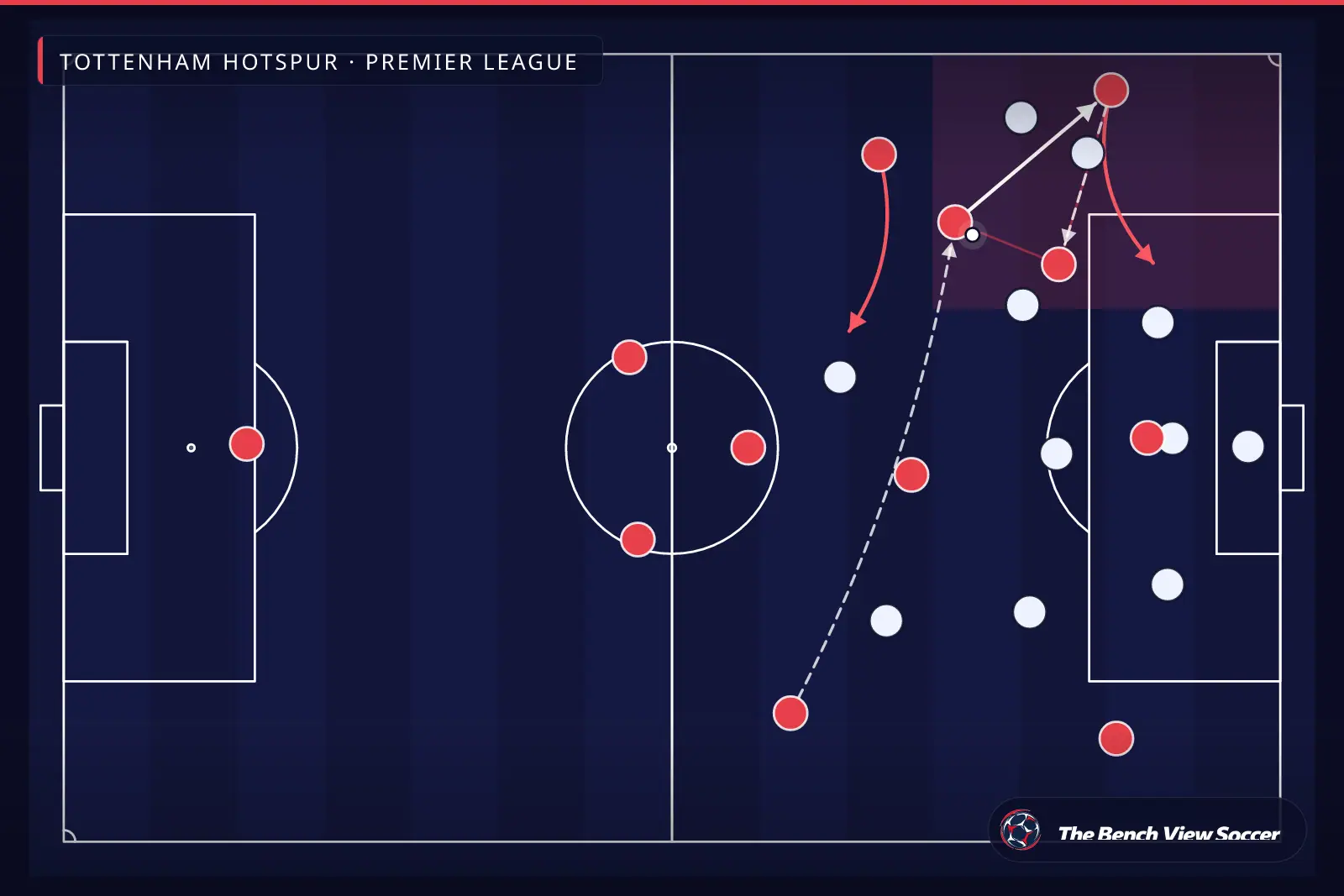
Tottenham Hotspur: Why a Gakpo-Style Inverted Winger Unlocks 3-2-5
August 25, 2026
Manchester United's Baleba Move Fixes Their Rest-Defense Gap
August 22, 2026
Benfica's Inverted Right-Back Plan Made Dedić a £30m Upgrade
August 18, 2026
Manchester City's Rest-Defense Without Rodri: The Real Test Ahead
August 18, 2026