

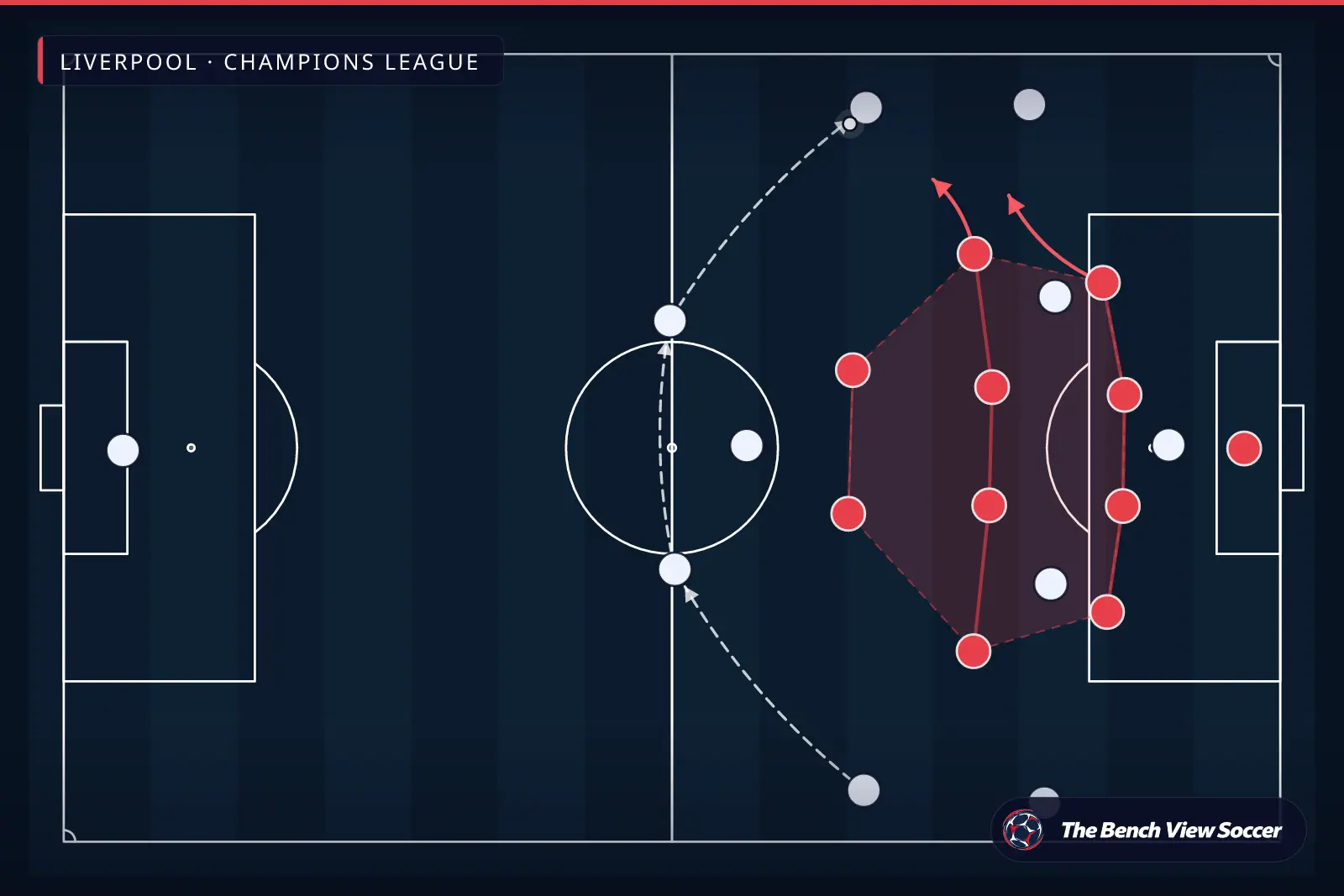
Liverpool’s unbeaten start to their Champions League group ended in Istanbul as Fenerbahce overturned the Reds twice to win 3-2. The defeat saw Fenerbahce, managed on an interim basis by Dirk Kuyt, celebrate what was described as a "miracle" and left Liverpool manager Andoni Iraola lamenting "cheap" and "messy" goals and defensive shortcomings.
What happened
In Istanbul Liverpool went ahead twice but were pegged back on both occasions and ultimately beaten 3-2 by Fenerbahce. The win for the Turkish side was hailed by Dirk Kuyt as a remarkable result. The Liverpool manager Andoni Iraola pointed to goals conceded that he called "cheap" and "messy." Reports describe the match as one in which Liverpool detonated their 100% Champions League record, with a series of defensive lapses that allowed Fenerbahce back into the game. The Guardian noted that Muriqi capped the comeback, while other coverage emphasised the dramatic nature of Fenerbahce overturning Liverpool on two occasions. The defeat followed another loss for Liverpool earlier in the week; Iraola’s mood was contrasted with the previous defeat to Arsenal as the reasons for concern differed.
The tactical reading
The basic contour of this match suggests a clash between attacking intent and defensive fragility. Liverpool’s ability to take the lead twice indicates they were able to create clear offensive moments and break through Fenerbahce’s structure on more than one occasion. At the same time, conceding three — and in particular the characterisation of some goals as "cheap" and "messy" — points to organisational and concentration issues in transitional phases or set-piece moments rather than a simple lack of attacking quality.
The pattern of twice losing leads implies recurring vulnerabilities rather than one-off mistakes. Teams that press high or commit numbers forward to sustain possession and chance creation often invite counter-pressure if their defensive coverage or recovery runs are not compact. The language used in the post-match analysis points to breakdowns in basic defensive duties: tracking runners, clearing second balls, and maintaining coordinated lines. Those faults typically expose a backline and midfield to sequenced overloads that an opponent like Fenerbahce could exploit repeatedly.
Fenerbahce’s comeback also highlights the influence of momentum and psychological swing in-game. An interim manager getting a result described as a "miracle" suggests that momentum shifted visibly and that Liverpool’s responses to conceding were insufficient. Where a coach wants a team to regroup and reassert control after going behind, failing to do so can leave openings for the opposition to press their advantage. The match therefore points to trade-offs inherent in a positive, attack-minded approach: creating chances while risking structural stability when possession is lost.
Finally, the specifics reported — cheap and messy goals, capped comeback, two leads lost — indicate that the fundamental tactical issue was not necessarily a lack of ideas in attack but execution in defence. For a coach, this kind of game exposes the need to tighten routine defensive behaviours (clearances, marking on set plays, transitional rotations) and to plan contingencies when momentum swings against you. The contrast with the previous defeat mentioned in reporting suggests these are emergent, situational problems rather than enduring systemic flaws, but they are costly at the highest level.
Key tactical points
- Winning two leads but losing the match points to issues in transition and defensive organisation immediately after offensive phases.
- Repeatedly conceding ‘cheap’ goals suggests breakdowns in basic defensive responsibilities: marking, second-ball aggression, and compactness between lines.
- Psychological momentum matters: Fenerbahce’s comeback under an interim manager shows how quick shifts in confidence can unbalance an opponent.
- Attacking success does not compensate for recurring defensive lapses; coaches must balance forward numbers with recovery plans and defensive cover.
- Post-match language from the manager indicates the problem was largely executional rather than conceptual — fixable through focused repetition and in-game management.
What to watch next
After a match that ended with defensive lapses deciding the result, watch whether Liverpool’s next selection and setup prioritise tighter transitional structures. Will the manager alter the balance between attack and defensive cover, or emphasise roles that prioritise quicker recovery runs and more conservative positioning when possession is lost?
Also observe if Liverpool address the psychological side of conceding — substitutions, tempo management, or clearer in-game instructions to steady the side after conceding. These small interventions often reveal whether a coach sees the issue as tactical shape or as mentality and organisation under pressure.
Train it
To address the specific theme of defending transitions after attacking phases, run a conditioned rondo that forces immediate defensive responsibilities when possession is lost. The exercise links ball retention under pressure to instant recovery and coordinated defending.
- Start with a 6v2 rondo in a 12x12m grid; when the possession team loses the ball, two neutral defenders must immediately press and two nearest offensive players must perform recovery runs to designated defensive cones, creating a temporary 6v4 defence-to-attack situation.
- Coaching points: demand immediate communication and clear roles on loss (who presses, who covers), insist on compactness between lines during recovery, and reward quick second-ball wins and organised clearances.
- Progression: increase grid size and change the neutral numbers to simulate overloads; add a finishing target to practice clearing to safety or resetting structure under pressure.
Sources
- Sky Sports: Liverpool suffer first CL defeat of season after stunning Fenerbahce comeback
- BBC Sport: Another 'miracle' in Istanbul - but this one hurt Liverpool
- BBC Sport: Liverpool crumble at Kuyt's Fenerbahce
- The Guardian: Muriqi caps Fenerbahce comeback to make Liverpool pay for defensive lapses
- Sky Sports: Liverpool stunned as Fenerbahce come from behind to lead LIVE!
The Bench View app
Don’t just read football — train it
Everything you read here, turned into training you can follow step by step.
Physical training at home
AI daily sessions adapted to your level and position. No equipment needed.
Tactical training courses
Step-by-step courses on positioning, pressing, build-up and decision making.
- 7 days free
- No commitment
- Cancel anytime
Free account: 2 physical sessions + the first tactical course. PRO: 7-day free trial — cancel before day 8 and you pay nothing.
More Analysis
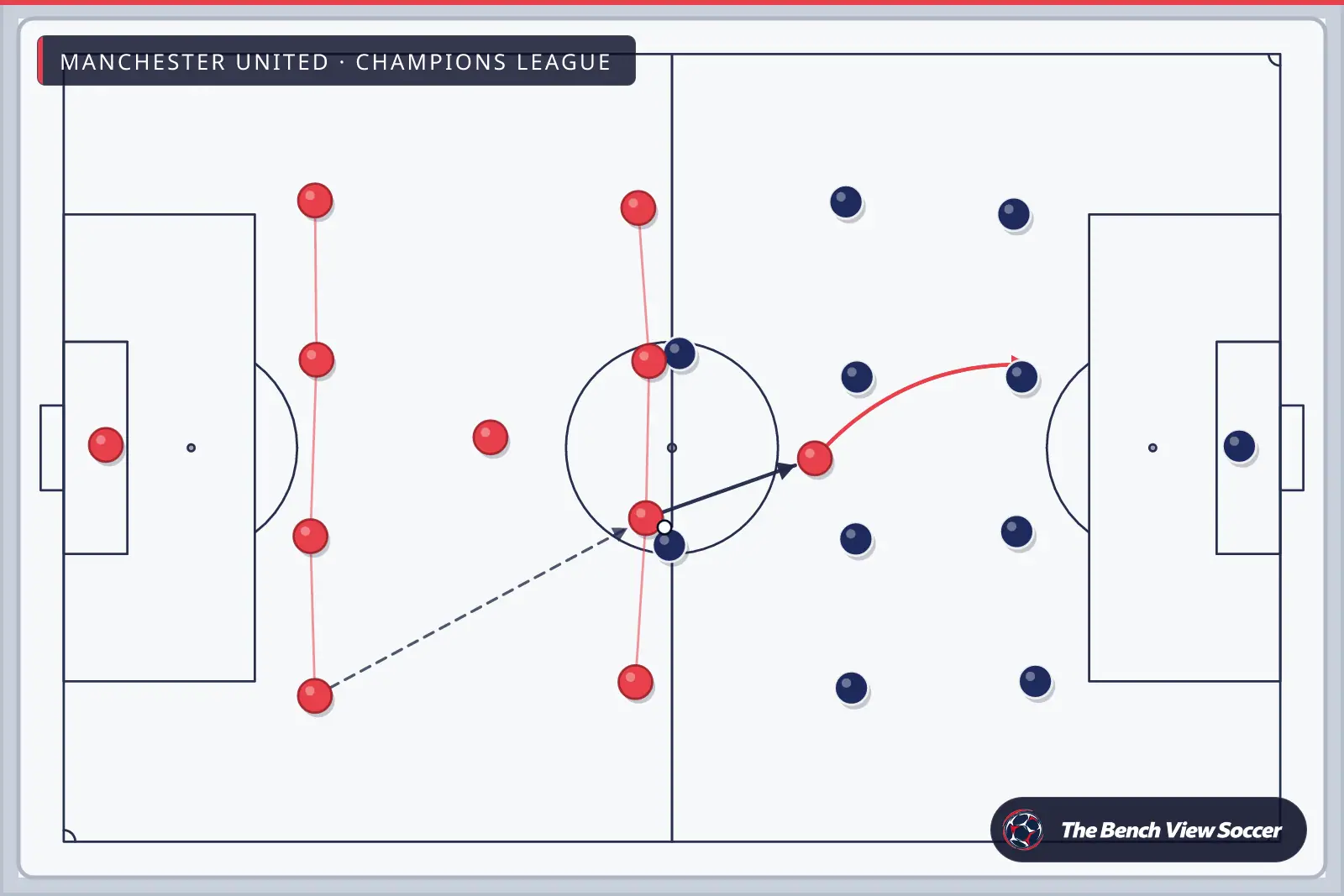
How United’s Roma comeback speaks to resilience — and what coaches should learn
November 4, 2026
Iraola’s warning and Brown’s story: tactical clues ahead of Liverpool’s trip to Fenerbahçe
November 4, 2026
Carrick’s survival and the tactical pivot behind United’s 3-2 Champions League comeback over Roma
November 4, 2026
Carrick backs Martínez and eyes Roma test — what the situation reveals tactically
November 2, 2026