

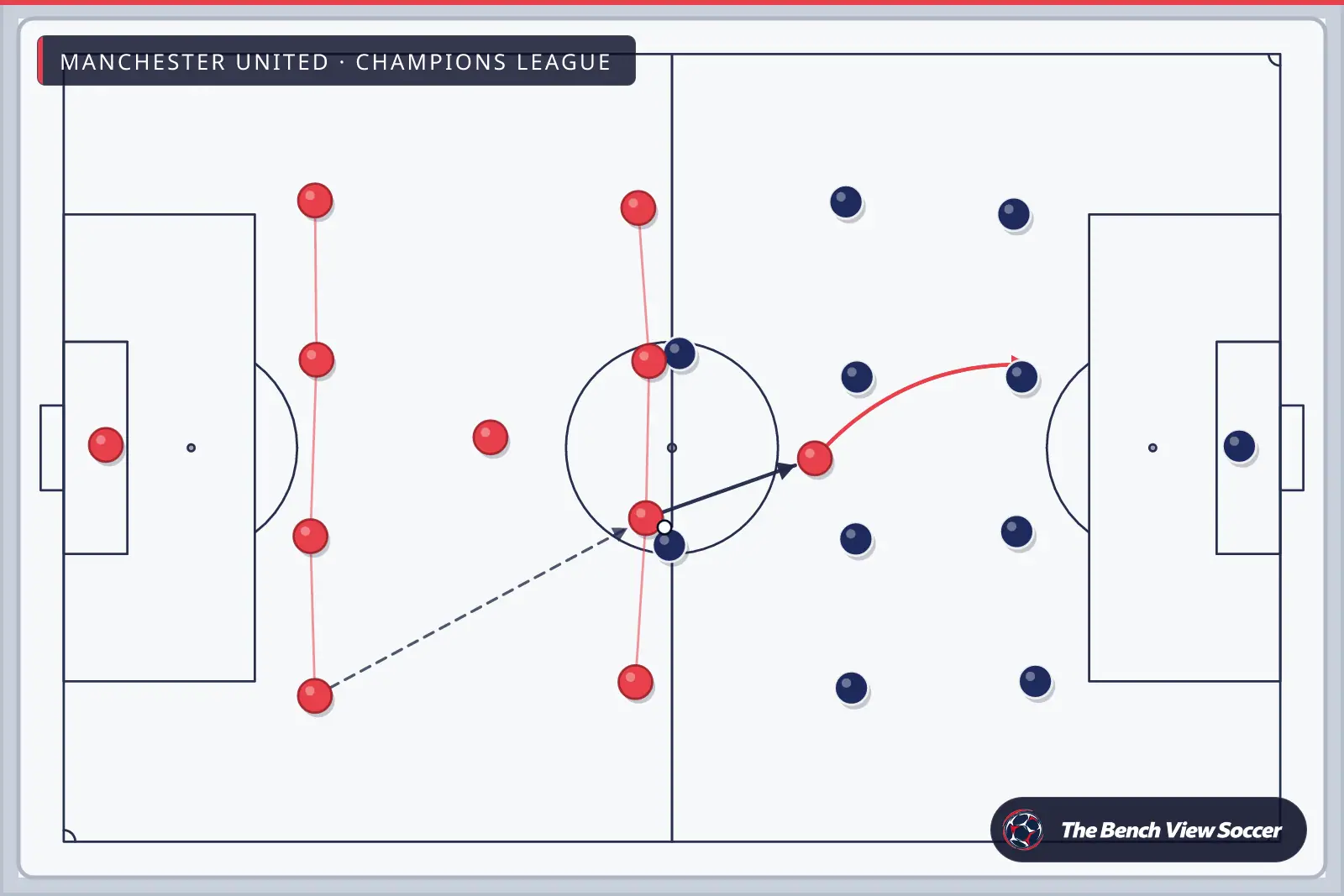
Manchester United overturned a 2-0 deficit to beat Roma 3-2, with Bruno Fernandes converting a twice-taken penalty and Matheus Cunha scoring two goals. The victory followed a run of poor results for United, who had gone nine games without a win, and came amid fan unrest that included protests before kick-off and boos at half-time. Diogo Dalot described the win as potentially transformative and as showing supporters the players care. Michael Carrick, the United coach, was praised for the atmosphere at Old Trafford after the comeback, and Fernandes said Carrick was right to drop him earlier. Some commentators, including Jamie O'Hara, argued the result did not yet represent a turning point and critics highlighted how poor United were in the first half.
What happened
Manchester United trailed 2-0 at half-time against Roma and were receiving vocal criticism from supporters, who booed the team at half-time and staged protests against the club's owners before the match. The situation reversed in the second half: Bruno Fernandes converted a penalty that had to be retaken, and Matheus Cunha scored twice to complete the comeback and secure a 3-2 victory. The win ended a sequence that had seen United go nine matches without a victory. Dalot publicly framed the result as a potential turning point that demonstrated the squad's care for supporters, while Fernandes reflected that his coach had been right to drop him earlier. Commentators and pundits offered mixed reactions: some hailed the atmosphere and the result, while others, such as Jamie O'Hara, cautioned that one game did not signal a full resolution of deeper problems at the club.
The tactical reading
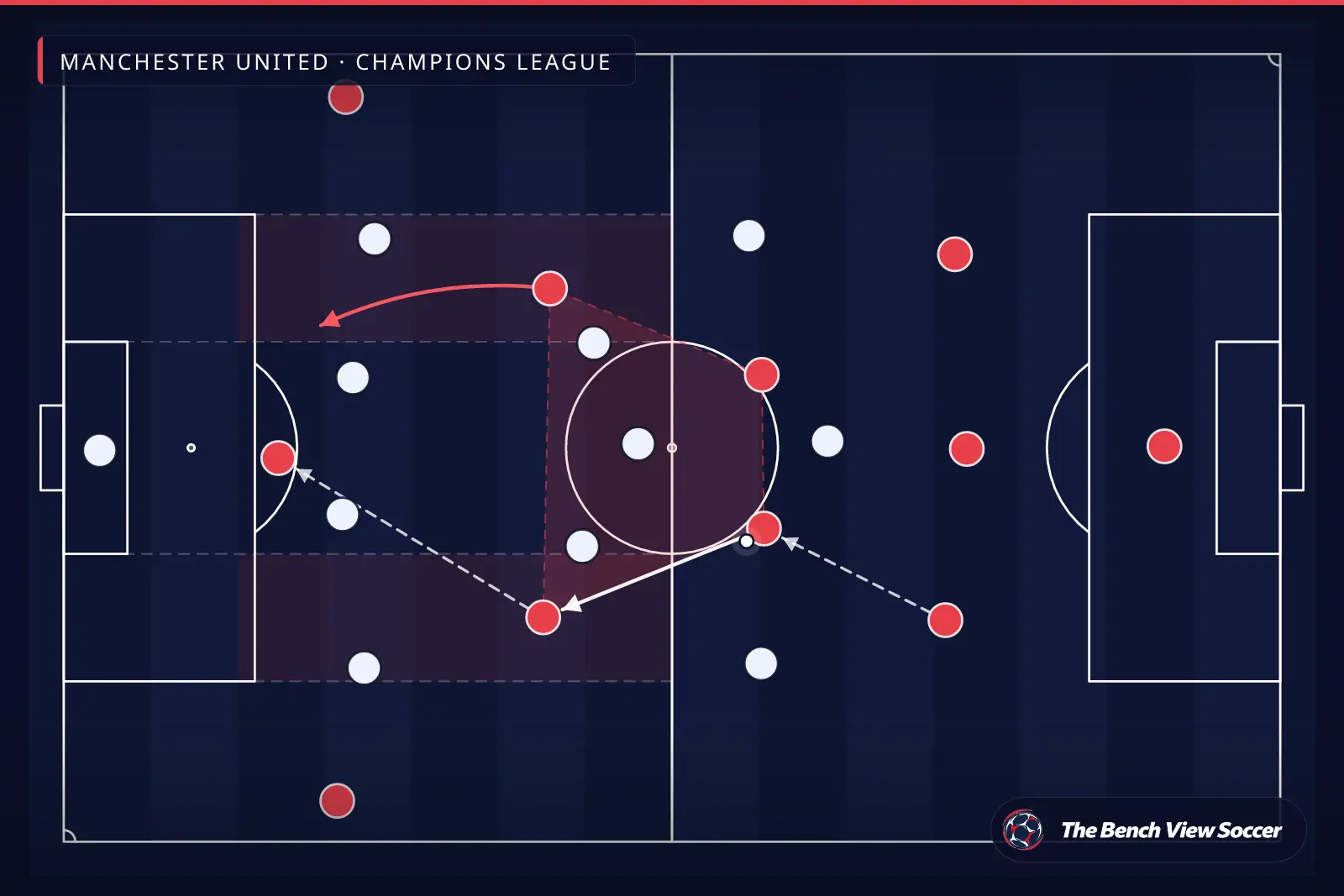
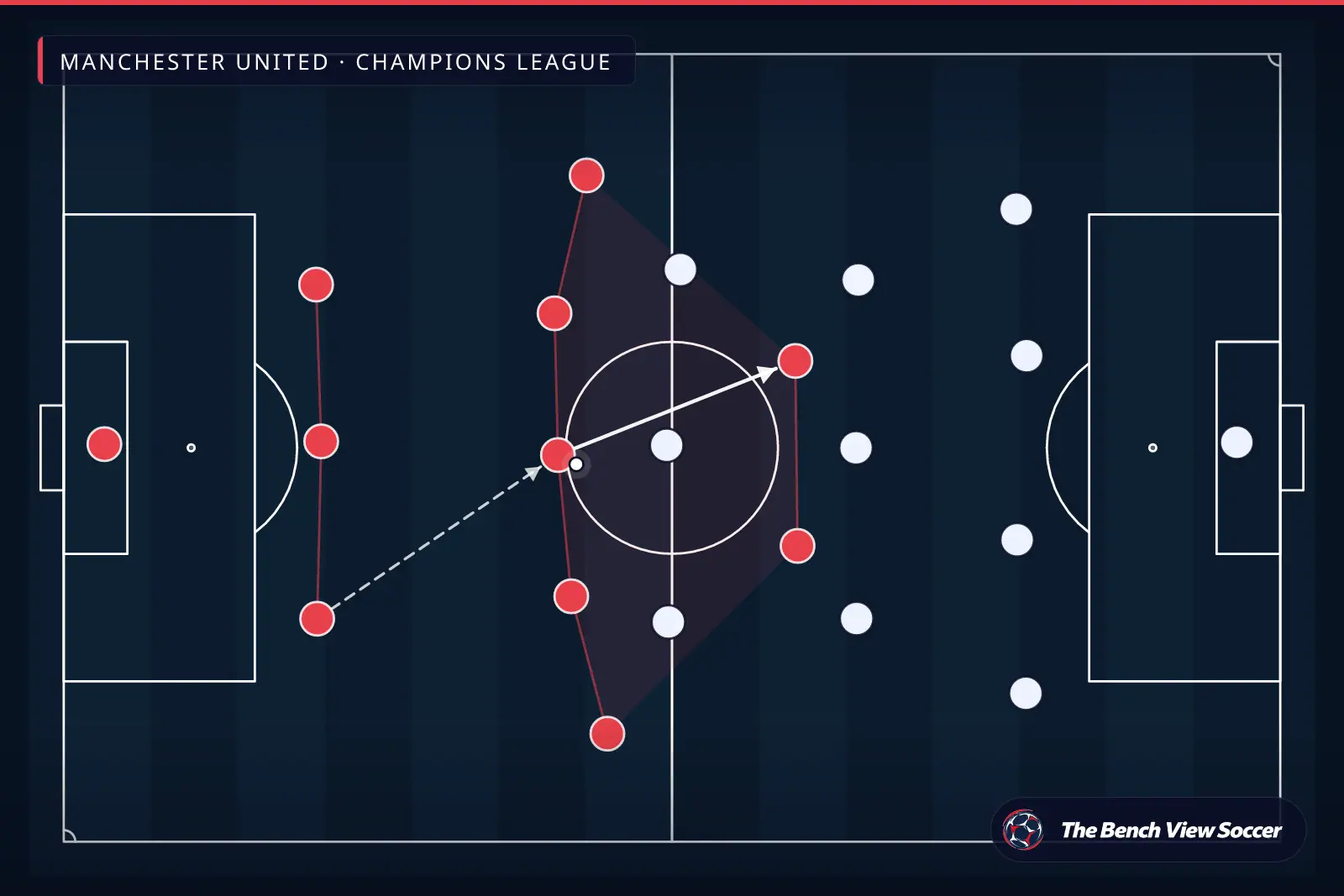
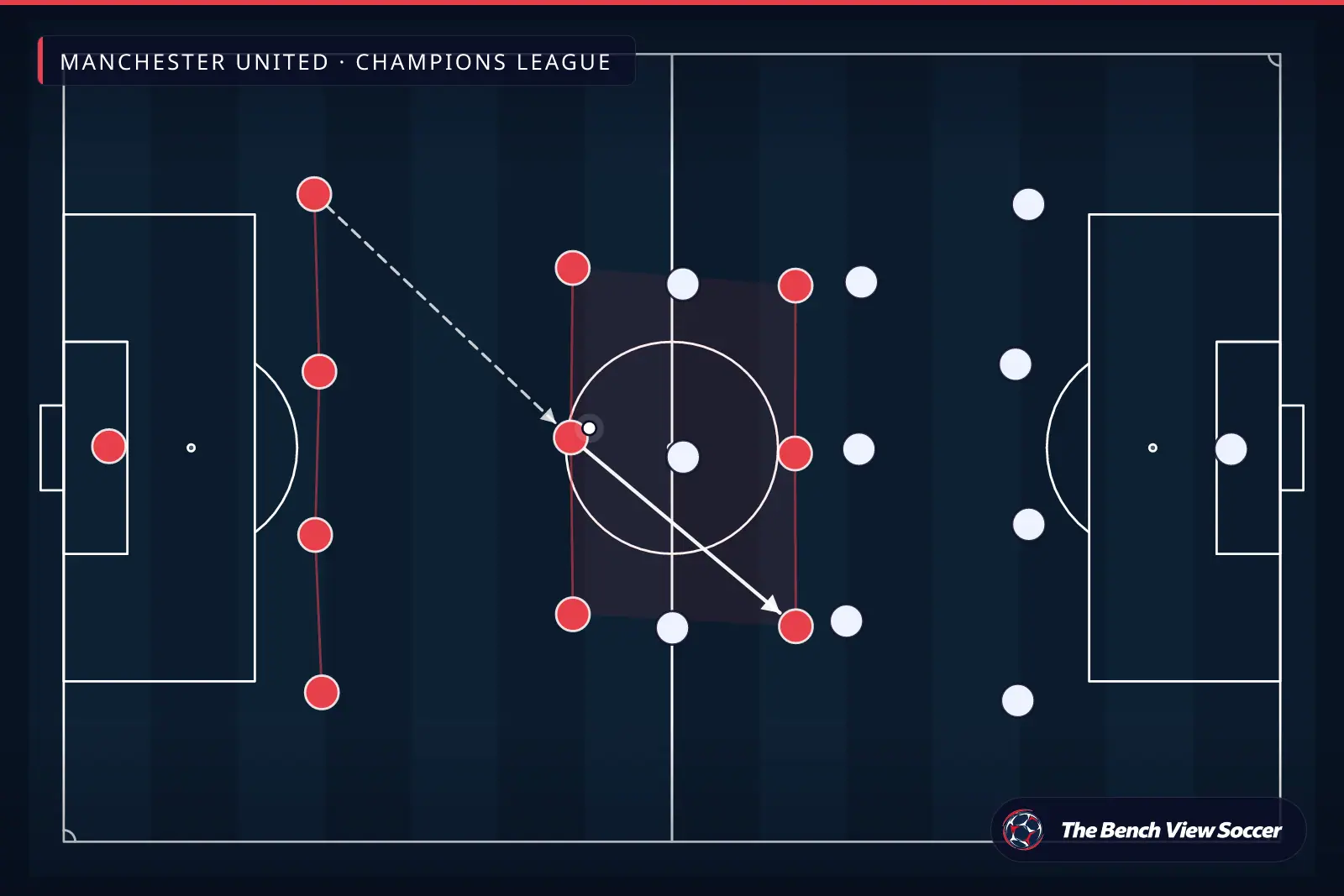
The pattern of a poor first half followed by an effective second-half comeback points to two broad tactical themes that coaches and players can study: in-game adjustments and psychological management. When a team is behind by two at half-time but reverses the scoreline, it typically reflects either a change in tempo, a tweak to the attacking structure, or a renewed intensity in transitional moments. That United scored three in the second period suggests the side found ways to create higher-quality chances after the break, whether through different positioning, sharper movement, or improved exploitation of space.
Key individual contributions in such comebacks tend to highlight roles that can change between halves. The fact that Bruno Fernandes took (and converted) a twice-taken penalty underscores his role as a decisive set-piece and penalty taker, while Matheus Cunha’s two goals point to a forward or attacking player who can finish opportunities when they are created. Coaches typically look to shift where the game is contested—pushing centers of pressure higher, using wide players to stretch opponents, or instructing midfielders to make more progressive runs—when a comeback is required.
The fan context mattered tactically. Vocal dissatisfaction and protests can affect match atmosphere and player psychology; a coach's ability to channel that energy into positive urgency rather than panic becomes a practical tactical tool. Michael Carrick being credited in the aftermath—paired with Fernandes acknowledging he had been dropped earlier—suggests that selection decisions and the message sent by personnel changes can be as important as tactical tweaks on the pitch. Tactical management, in this sense, includes timing for personnel rotation and the readiness to remove or reintroduce players to reset dynamics.
Finally, the mixed external assessments—praise for the comeback and criticism about the underlying quality—point to a trade-off coaches often face between short-term momentum and long-term structural issues. A single high-stakes win can buy time and improve morale, but it typically does not fix systemic tactical problems. Therefore, any halftime or between-games adjustments that delivered the comeback likely prioritized immediate problem-solving (e.g., creating clearer chance patterns or tightening defensive vulnerabilities) over wholesale strategic overhaul.
Key tactical points
- Halftime interventions that change tempo or focus can decisively affect second-half output; coaches should rehearse a concise set of adjustments for common game states.
- Clear assignment of high-responsibility roles (penalty taker, outlet for transitions) matters under pressure—confidence and clarity here can yield goals in clutch moments.
- Personnel management (dropping or reintroducing players) serves as a tactical lever to reset team dynamics and can influence performance beyond pure formation changes.
- Converting momentum requires both psychological framing and tactical clarity—managers must align instructions with a simple, executable plan to increase intensity without losing shape.
- One positive result may mask persistent structural deficiencies; coaches should use wins as data to identify what worked and what still needs fixing rather than treating them as proof of cure.
What to watch next
Going forward, watch whether the staff stick to the same selection and whether players who were central to the comeback retain their roles. If the coach uses the victory as a platform for continuity in selection and structure, that will indicate trust in the adjustments that produced the win. Conversely, rapid tinkering after the game would suggest the result was treated primarily as a momentary alleviation rather than a systematic fix.
Also observe how the team manages similar game states: do they respond proactively to early setbacks with identifiable tactical shifts, or do they revert to chaotic patterns until a single spark changes momentum? Tracking the consistency of halftime messages and their on-pitch translation will reveal whether the club has learned repeatable lessons from this comeback.
Train it
Exercise: "Half-time Reset" small-sided drill (30 minutes). Simulate a 2-0 half-time deficit and practice a concise, tactical plan to recover: focus on increasing vertical tempo, clearer forward passing lanes, and decisive set-piece routines. Begin with 8v8 on a reduced pitch; after 10 minutes of simulation, give teams a one-minute coaching message window, then resume and see if the team converts two or three clear scoring chances within a defined period.
- Coaching point 1: Keep halftime instructions focused—no more than three clear, executable tasks (e.g., press higher, exploit the half-space, play one striker in transition).
- Coaching point 2: Assign and rehearse responsibility for set-plays and penalties so players understand roles under pressure.
- Coaching point 3: Use short-term performance targets (number of progressive passes, shots within X minutes) to convert psychological urgency into measurable tactical actions.
Sources
- BBC Sport: Why Man Utd's Roma comeback has echoes of Mourinho and Solskjaer
- The Guardian: Football Daily | Manchester United’s unlikely one-match winning streak and hard-to-please fans
- Sky Sports: 'They're not good enough!' - O'Hara's brutal assessment of Man Utd despite Roma win
- The Guardian: Manchester United’s wild win against Roma showed angry fans we care, says Dalot
- The Guardian: ‘I wasn’t performing’: Bruno Fernandes says Carrick was right to drop him after criticism
The Bench View app
Don’t just read football — train it
Everything you read here, turned into training you can follow step by step.
Physical training at home
AI daily sessions adapted to your level and position. No equipment needed.
Tactical training courses
Step-by-step courses on positioning, pressing, build-up and decision making.
- 7 days free
- No commitment
- Cancel anytime
Free account: 2 physical sessions + the first tactical course. PRO: 7-day free trial — cancel before day 8 and you pay nothing.
More Analysis
Iraola’s warning and Brown’s story: tactical clues ahead of Liverpool’s trip to Fenerbahçe
November 4, 2026
Carrick’s survival and the tactical pivot behind United’s 3-2 Champions League comeback over Roma
November 4, 2026
Carrick backs Martínez and eyes Roma test — what the situation reveals tactically
November 2, 2026
Carrick survives as United head into Roma tie — tactical lessons from a club in crisis
November 1, 2026