

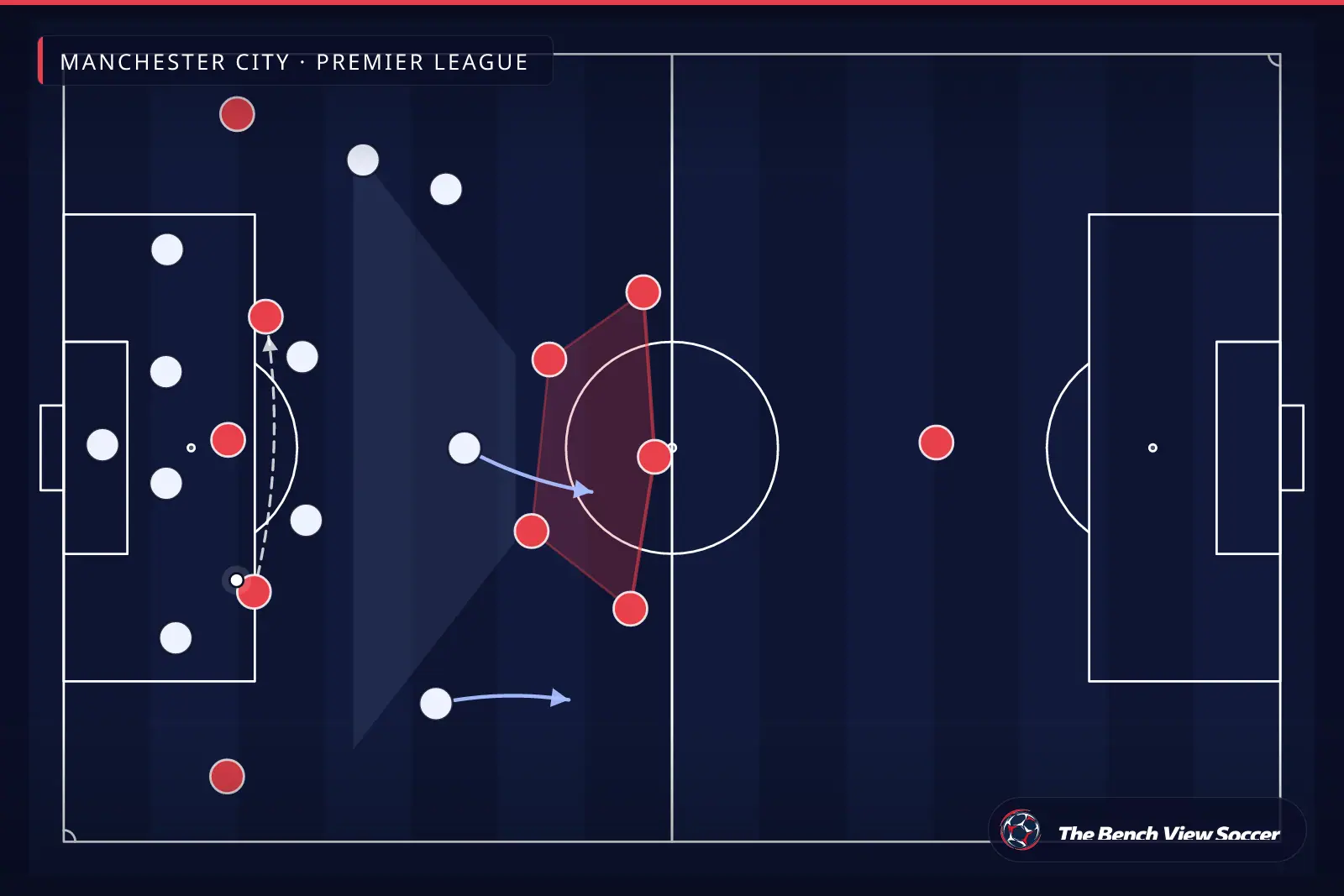
Trending moment
Rodri has flown to Catalonia to complete what he has called a dream move—Barcelona’s long-courted answer to their pivot problem. The headline is the transfer; the real story is the tactical earthquake it triggers in Manchester. In our view, Manchester City’s next phase will be defined by a single question of structure: can they preserve elite rest-defense and first-phase control without the player who knits every phase together?
Analytically speaking, Rodri wasn’t just City’s No. 6—he was the system’s governor, the metronome that set tempo in possession and the handbrake against transition chaos out of it.
That’s the bold claim. Now let’s dissect it: why he mattered more than any single role title captures, how Barcelona will rewire around him, and what City must do—immediately—to stop a finely tuned positional-play machine from slipping a gear.
Why Rodri was City’s non-negotiable
The hinge of a 3-2/2-3 build
Across the Guardiola era, City crystallised a lexicon of positional play: positional superiority, third-man runs, over- and underlaps, wide isolation to attack the byline, and—most decisively for control—the 3-2/2-3 first phase. Rodri lived at its fulcrum. Whether the build featured John Stones stepping into midfield from centre-back or a full-back like Rico Lewis inverting, City’s control of space hinged on Rodri’s occupancy and his timing.
He received between the lines of the first press with the body orientation of a number ten but the vigilance of a centre-half—half-open hips, scanning on the half-turn to keep both near and far-side pressure in view. This was not aesthetic detail; it was structural. It let City oscillate between a 3-2 and a 2-3 shell without losing central gravity. In effect, the back line could flex without breaking because Rodri’s positioning offered a stable reference point for angles and distances.
The two jobs no spreadsheet can separate
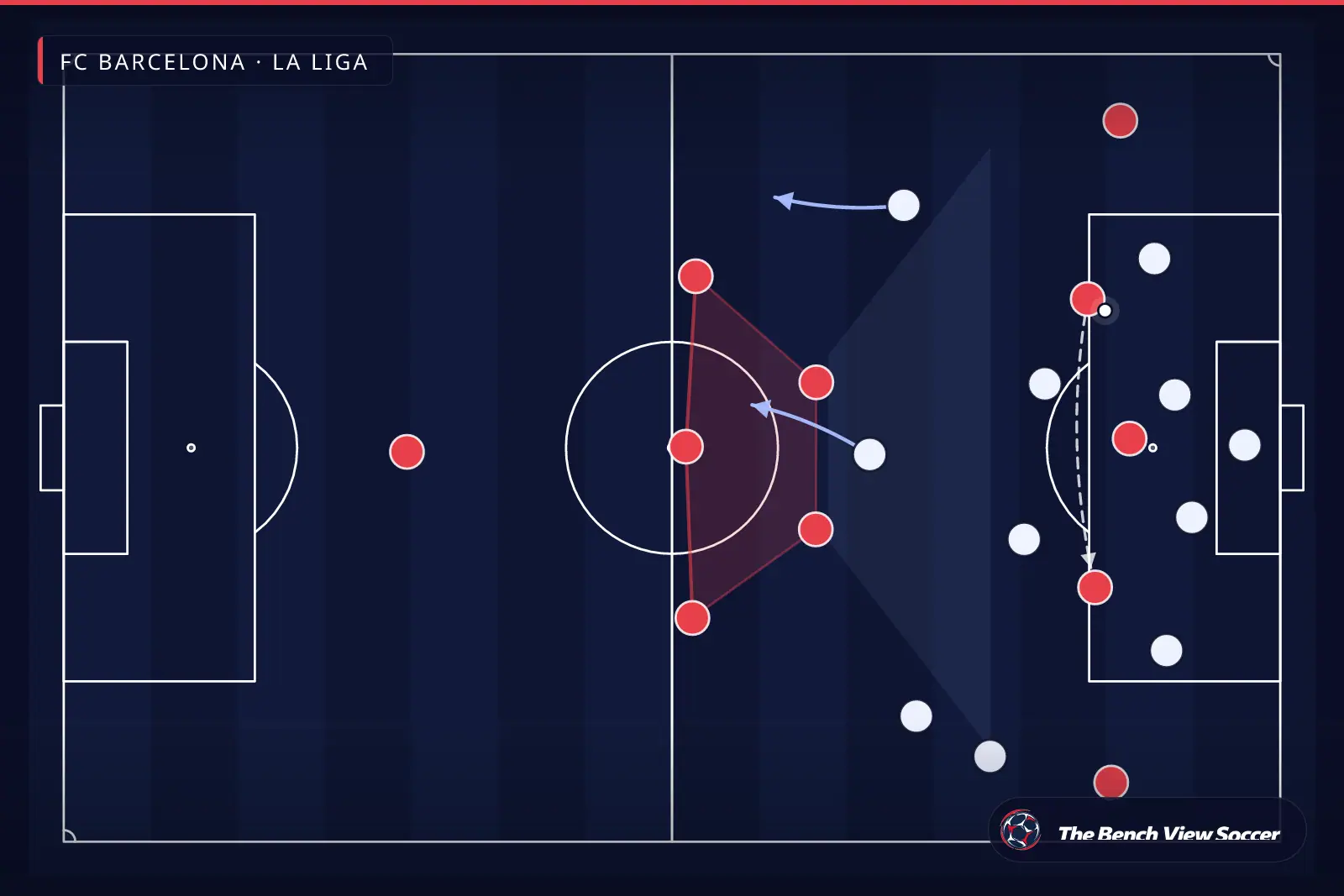
Everyone sees the progressive passing. Fewer note the transition dampener. When City lost the ball, Rodri’s first steps weren’t towards the ball, but into the optimal lane to kill the first vertical pass. He protected the red-zone—the central corridor between the circles—by shading passing lanes with his cover shadow, delaying the opponent’s first outlet, and buying City’s rest-defense time to collapse. In tactical terms, he synchronised counterpress timing and rest-defense depth. That’s a system property disguised as individual brilliance.
If you want the film study: minute 68 in the 2023 Champions League final—everyone remembers the winner from the edge of the box, but the action 15 seconds earlier is the summary of his City role. He cues the counterpress by compressing Inter’s central outlet, holds his ground as the ball spills, then—once the shape is set—arrives at the top of the box as the free man. Finish aside, the phase shows the double life of a pivot in a positional play team: stabilise, then appear as the spare.
Press-resistance as a collective asset
One man’s press-resistance is eleven men’s risk management. Rodri’s comfort receiving under pressure in the right half-space allowed Bernardo Silva or Phil Foden to stay high, widening the pitch and creating superiorities elsewhere. This is the quiet dividend: his individual composure lifted City’s pass map up the field. The team attacked from higher launchpads because the six didn’t need protection.
The shape of the problem City now face
Rest-defense fragility is a structural risk, not just a personnel gap
Remove Rodri and the math of transition changes. Counterpresses that used to bite within two passes now lag; distances between the first and second line of pressure stretch by a metre or two; a back three that felt like a wall can suddenly feel like a moving target. These are small differences with big consequences. City’s attack never feared throwing five into the last line because they trusted the two behind them—Rodri plus the hybrid stepper—to suffocate counters. If one of those two is now more easily pinned, the final line must drop half a step. Attack potency and rest-defense are in permanent negotiation.
First-phase passing angles lose their automaticity
Think of City’s triangles. The classic pattern: centre-back to Rodri, bounce to Stones punching through, third-man to the advancing eight, then a diagonal into the winger’s blindside. Without a press-resistant six, that first wall pass breaks down—centre-backs hold the ball longer, wing-backs receive flatter, and the winger sees fewer blindside runs because the eights can’t commit. The tempo goes from unhurried to hesitant. City’s game is designed to be slow-fast: slow to manipulate, fast to strike. Lose the ‘slow’ with purpose, and the ‘fast’ arrives into bad spacing.
City’s five-path blueprint to absorb the loss
1) Make the hybrid the primary six (the Stones solution)
One immediate answer is clear: lean harder into John Stones as a full-time interior. When he steps up, he reads pressure, can play wall passes, and defends space with centre-back instincts. But the trade-off is real. Stones’s defensive duels are elite facing play; as a lone six he can be turned and isolated on the half-turn in a way Rodri rarely was. Practically, this demands positionally conservative eights who close the ‘post-press gap’—that moment after a lost ball when one of the eights must shrink the distance to the six by five metres to deny the vertical punch.
2) Invert the full-back and split the six duties (the Lewis/Kovačić double pivot)
City have already used an inverted full-back to create a double pivot in build. Make it formal. Allow Rico Lewis to sit alongside a deeper playmaker—Mateo Kovačić as the rotator, say—so no single player carries Rodri’s full load. The cues then change: the nearest eight must drop when the ball-side full-back inverts to provide a third angle, while the far-side winger cheats high to pin the back line, inviting diagonal switches. It’s less elegant than the Rodri era but can restore 2-3 stability and safer rest-defense distances.
3) Reorder the pressing triggers higher (buy control without the six)
If you can’t guarantee first-phase calm, force more turnovers higher. City can pre-commit to counterpressing traps: set the winger to overplay the full-back’s inside shoulder, encourage the vertical into the half-space, then jump with the near eight and the stepping centre-back. Think of it as manufacturing Rodri’s delaying function 20 metres upfield. It’s riskier in behind, but with world-class recovery center-backs, the trade is tolerable—especially at home.
4) Shorten possessions to starve opponent transition rhythm
Counterintuitive but often effective when you lose your control hub: cycle less, penetrate more. By adding one-touch combinations around the box and increasing shots per possession, you reduce the opponent’s time to organise dangerous counters. It places more onus on the first line of counterpress but shortens the most vulnerable interval: the 1–3 seconds after turnover where Rodri’s timing used to buy cover.
5) Overweight set-pieces to replace control with probability
City’s open-play control underpinned low-variance football; without that anchor, they can consciously boost set-piece xG to keep winning the math. Load-outs with double screens, far-post stacks, and second-phase shots become even more valuable. It doesn’t replace Rodri; it reduces the volatility his absence may add.
Training ground adjustments: the micro to fix the macro
Rehearse the ‘post-press gap’ collapse
Drill the moment after the first press line is breached. Freeze frames in training when the six is tied up under pressure and script the ball-near eight’s collapse: a five-metre drop with a curved run to take away the angle into the striker’s feet. The far eight simultaneously tucks in to flatten the distance to first contact. These are the micro-movements Rodri made unnecessary by winning the first duel alone; now they must be systemic.
Backline staggering as insurance
City can raise the backline one metre and stagger one of the centre-backs half a line ahead in possession, compressing central space even before the turnover. This anticipatory staggering shortens emergency distances. It’s a different flavour of rest-defense—proactive rather than reactive—but it suits centre-backs comfortable stepping into midfield.
Pre-rotate the far-side eight
To mimic Rodri’s ability to be the ‘free man’ on second balls without vacating the six space, City can pre-rotate the far-side eight a fraction deeper on settled possession. It costs a little vertical punch but means there’s always an extra body within ten metres of the turnover zone.
Barcelona’s gain: building a new midfield gravity center
The Busquets succession plan, finally with prime legs
From Barcelona’s perspective, this is a map aligning with a compass. The club’s identity—positional play, three-lane occupation, and third-man dynamics—craves a pivot who both thinks like a centre-back and plays like a regista. Sergio Busquets provided the angle discipline and deception; in Rodri, Barça add the same structural intelligence with a more athletic rest-defense range in his prime peak.
Expect Barcelona’s 4-3-3 to read more like a 3-2-5 in long possession. With the left full-back tucking inside to form the ‘2’ with Rodri, the right full-back can stay wider, pinning the far winger and creating the classic diagonal to the right half-space. This suits a front line with a left-footed right winger attacking blindside runs and a left-sided interior who thrives on third-man combinations.
How Rodri changes Barcelona’s risk budget
Barcelona’s recent iterations oscillated between control and volatility. Rodri lowers volatility. His presence lets the interiors start five metres higher, because he alone covers the zone between the arcs and sets the team’s counterpress entry cues. In practical terms, Barça can afford to keep the far winger high on the last line more often, because the rest-defense no longer needs a double screen.
Specific sequences to watch
- Diagonal switch to the right half-space, minute 20–30 windows: Rodri will drift to the left of centre to draw the first presser, then ping the cross-body switch that arrives as the right interior receives on the half-turn. This is a Barcelona classic that’s been missing the guaranteed trigger.
- The delayed underlap: When the right winger stays high and wide, Rodri’s vertical disguise invites the pass into the half-space at the perfect beat for the right-back’s underlap. Busquets timed this with geometry; Rodri adds tempo to it.
- Late box arrivals: Do not sleep on Rodri’s scoring profile. The 27th minute left-foot curler from the right half-space against Bayern in the 2023 quarter-final wasn’t an accident; it was the late-arriving spare. Barcelona’s patterns will free him for these looks two or three times a month.
Historical echoes and key differences
When the keystone leaves: lessons from Alonso, Busquets, and Casemiro
We’ve seen systems wobble when the pivot moves. Bayern without Xabi Alonso needed six months to redistribute build-up duties. Barcelona post-Busquets never re-established elite control because the succession plan stretched too thin across profiles. Real Madrid initially muddled through after Casemiro by overloading the eight roles and front-foot pressing more aggressively.
The through-line: teams often try to replace the irreplaceable with two players and a different out-of-possession scheme. It works when the surrounding principles are robust and the coach is willing to change triggers, not just shirts. City have robust principles; the pivot has been the principle bearer. That is the distinction that makes this departure more consequential than most.
What’s different this time
City’s centre-backs are more technically secure than most teams losing a six. That raises the floor. They can absorb more of the first-phase creation load. And their wingers—particularly the emergent trend of inverted threats cutting into the half-space—reduce the degree of difficulty for the six by allowing shorter, safer access passes. The ceiling, however, depends on whether someone can reproduce Rodri’s two-way timing. That is rarely taught; usually, it’s lived.
The Premier League chessboard: season implications
Against high presses: expect the 2-3 guardrails
Versus teams pressing with a front five, City will need stricter 2-3 spacing. Expect more touches by the stepping centre-back and more usage of bounce passes to fix the press. It’s functional if not flamboyant. The key metric to watch: turnovers inside City’s defensive third. If that number creeps up, expect a tactical retrenchment—more direct launches to the nine to reset territory and attack the second ball in the opponent’s half.
Against low blocks: eights must become playmakers
When the opponent refuses to press, Rodri’s old job was to manipulate their first line into exposing a lane. Without him, the eights will have to drop and orchestrate more. That reassigns creation—and potentially removes a runner from the last line. Consequence: fewer third-man through balls, more cutbacks from patient possession. City can compensate with earlier rotations: winger comes short, full-back runs high, eight fills the winger lane. It’s choreography-heavy and demands top chemistry.
Game-state management: the substitution lens
Rodri was also a game-state cheat code. Protecting a one-goal lead late, he would sit an inch deeper and absorb, letting City suffocate the match with minimal fouls and maximal positioning. Without that guarantee, City’s bench choices matter more. A second six to close games, or a fresh runner to improve counterpress bite? Expect earlier subs for energy in midfield and a greater tolerance for tactical fouling in the middle third.
Spain and World Cup 2026: the macro-storyline
The national team lens
World Cup 2026 will orbit a Spain built on Rodri as the central anchor. With Lamine Yamal stretching high-right and technical interiors rotating underneath, Spain’s model mirrors Barcelona’s—order first, incision later. If he arrives to the tournament after a season in Barcelona’s system that mirrors La Roja’s, expect faster pattern recall, crisper automatisms, and a team less prone to transitional stress against elite counters. In tournament football, where one chaotic ten-minute spell can define a campaign, this is no small thing.
Cause and effect: why did the move materialise now?
Tactically speaking, the timing makes sense
From a system perspective, Barcelona finally had the squad density to let a true pivot unlock the rest. Young wingers who can threaten the last line, interiors with rhythm but in need of a stabiliser behind them—this is the moment when adding a premier six multiplies value. For City, cycles close. After years of systemic dominance anchored by one profile, refreshing the fulcrum can spur a new structure, even if the short-term cost is real. Clubs evolve by retaining principles, not positions. City will try to prove that.
Squad architecture factors
City have centre-backs and interiors who can be re-profiled. Barcelona have a core that leans into a control model. Both realities pushed this across the line. Tactically, Rodri slots into Barcelona like a bespoke part; tactically, City must now prototype.
Counterargument: the system makes the six, not the other way around
The strongest opposing view is simple: City’s game model is so resilient that it will imprint control on any competent six. Between the structure of their spacing, the intelligence of their interiors, and the technical assurance of their back line, they will re-solve first-phase build and rest-defense with whatever blend of roles they choose. When Lionel Messi left Barcelona, the prophecy was apocalypse; instead, a different Barcelona slowly emerged. System > star.
There’s real merit here. City’s drills hardwire spacing and body orientation. Many of the behaviours people attribute to Rodri are coached. And City’s recruitment, historically, avoids overexposure to any single profile.
Our rebuttal: the system codifies principles; exceptional players expand their range. Rodri’s unique double-impact—calming pressure and salt-bathing counters—meant the system could be greedier upfield. That greed is an advantage at the margins, and at the elite level, titles live in the margins.
What success and failure look like
If City get it right
- Rest-defense metrics hold: opponent transition shots remain low; City’s field tilt stays high.
- The hybrid solves enough: Stones (or an equivalent interior stepper) stabilises phase one, while the eights absorb more progression. The winger unit feasts on switches and cutbacks as before.
- Set-pieces add 0.1–0.2 expected goals per match to compensate for a small open-play control dip.
If City get it wrong
- The team gets stretched: more 3v3s in big spaces, particularly against fast-breaking sides.
- Centre-backs’ pass volume spikes without penetration; sterile dominance replaces territorial threat.
- The attack loses its ‘slow-fast’ rhythm; possessions stall, counterpresses arrive late, points leak in five-minute storms.
The Barcelona side of the ledger
Immediate upticks
- Cleaner exits against high presses; goalkeeper-to-pivot-to-interior triangles become repeatable platforms rather than coin tosses.
- Interiors rest higher; the false-nine or dropping forward can stop doing pivot labour, arriving in the box more often.
- Fewer emergency low-blocks in big away fixtures; transitions die earlier.
Potential friction points
- Overreliance on Rodri as the only stabiliser can make the team predictable against deep, narrow blocks that simply refuse the central pass. Barcelona will need coordinated half-space rotations to avoid asking Rodri to thread the same needle on repeat.
- La Liga’s rhythm encourages slower, more sculpted possessions. If Barcelona forget to vary tempo, their structure can become sterile. Rodri’s range allows for more risk; they must use it.
Minute-by-minute: how patterns will evolve
City, 12th minute vs a high press
Centre-back receives under pressure, the near full-back tucks inside to form a 2-3, the near eight drops on the same line to offer the bounce. Without Rodri, the first vertical punch may come from the stepping centre-back splitting lines directly to the far eight, skipping a node. That skip must be coached; otherwise, it becomes a turnover magnet.
City, 64th minute protecting a one-goal lead
The six sits a metre deeper, both eights narrow, wingers inside the full-backs. The first counterpress trigger is any horizontal pass in the opponent’s second phase. One of the eights jumps to the ball, the six blocks the return, and the far eight collapses the space. Without Rodri, the collapse must happen earlier and with more numbers. Substitutions must reflect legs as much as profiles.
Barcelona, 22nd minute probing a low block
Rodri drifts left of centre, pins the ten space, and invites the first line to tilt. He then plays a disguised vertical into the left interior, who bounces to the overlapping full-back, pulling the block to the touchline. The diagonal back into the right half-space frees the right winger on the blindside. This is classic positional play: move the block; attack the far side.
Coaching language: the small rules that replace a big player
- First touch rule: six’s first touch must open the far-side half-space, eights must mirror the open shoulder shape even when not receiving. This ‘show-to-go’ synchronises the press-baiting geometry.
- Five-metre law: nearest eight is never more than five metres vertically from the six during unstable possession (i.e., after risky verticals). This prevents isolation.
- Trigger vocabulary: ‘Shadow set’—when the six can’t bite, the front five default to a vertical compactness cue (one pass allowed in front; nothing through). Codify it, and panic reduces.
Recruitment angle: profiles, not names
City should resist the temptation to chase clones. Instead, target two profiles: a passer who sets the team’s rest beat (tempo and angles) and an athlete who eats space on counters. If one player does both, you buy him. If not, build the double act. Then hardwire the scheme so either can anchor without warping spacing.
The Bench View Soccer verdict
Tactically speaking, Barcelona are about to feel like Barcelona again because the pivot is about to be Barcelona again. Rodri brings back the geometry and adds range. For Manchester City, this is the first true test of the program’s self-claim: that the principles are the star. They have the centre-backs, the coaching, and the muscle memory to pass. But they’ve just removed the system’s governor. You can replace the minutes; replacing the margins is harder.
The season ahead will be defined by City’s willingness to change triggers, not just names on the teamsheet. Build a new 2-3 stability, rehearse the post-press collapse, cheat with set-pieces while the patterns bed in—and the machine will purr again. Fail to adapt, and the league’s fastest transition teams will finally find air in the Etihad’s carefully managed spaces.
Our line is clear: Rodri to Barcelona is a stylistic homecoming and a structural challenge to the Premier League’s dominant engine. If City retool their rest-defense and first-phase map swiftly, the crown remains within reach. If not, the margins he used to govern will decide them.
The Bench View app
Don’t just read football — train it
Everything you read here, turned into training you can follow step by step.
Physical training at home
AI daily sessions adapted to your level and position. No equipment needed.
Tactical training courses
Step-by-step courses on positioning, pressing, build-up and decision making.
- 7 days free
- No commitment
- Cancel anytime
Free account: 2 physical sessions + the first tactical course. PRO: 7-day free trial — cancel before day 8 and you pay nothing.

More Analysis
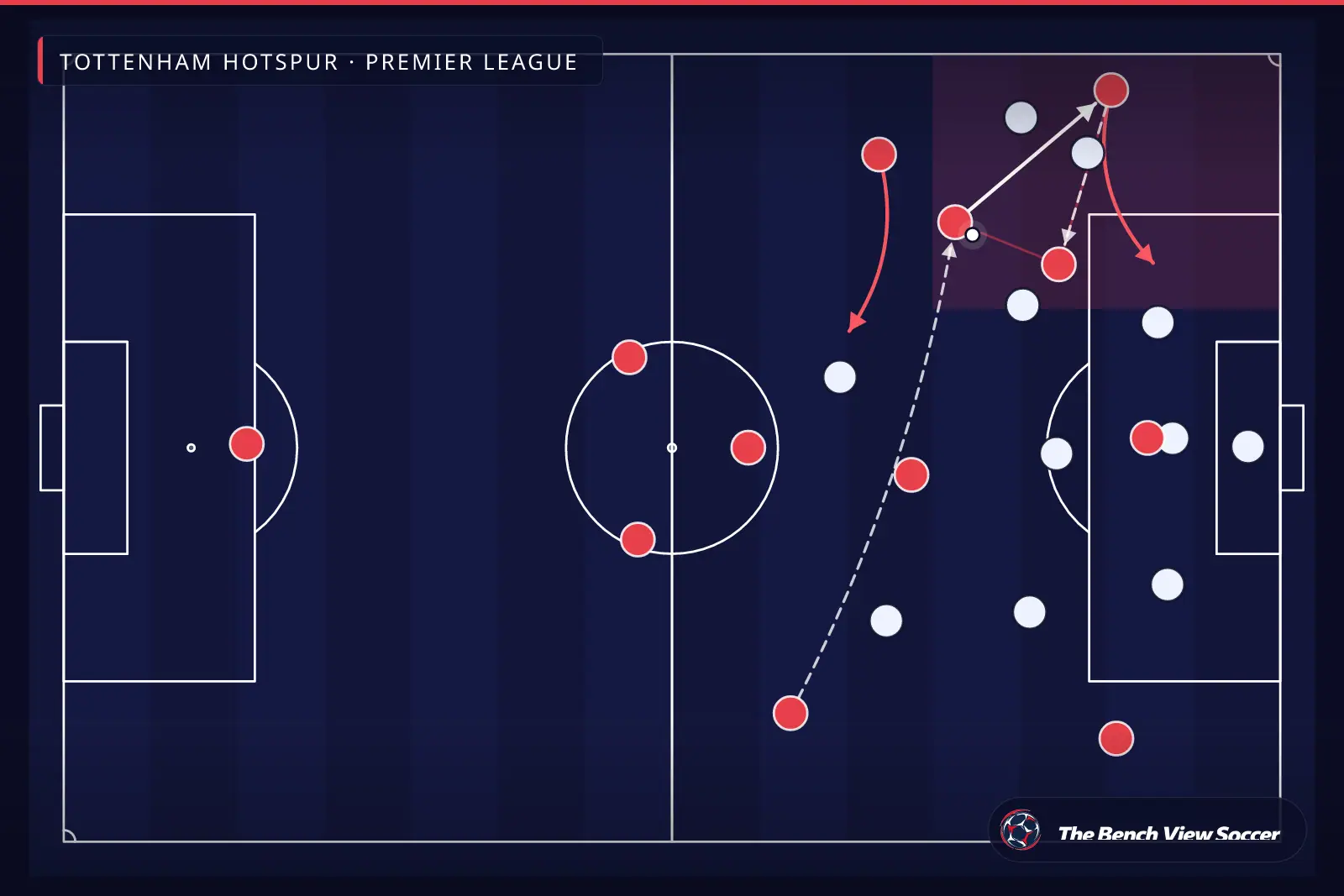
Tottenham Hotspur: Why a Gakpo-Style Inverted Winger Unlocks 3-2-5
August 25, 2026
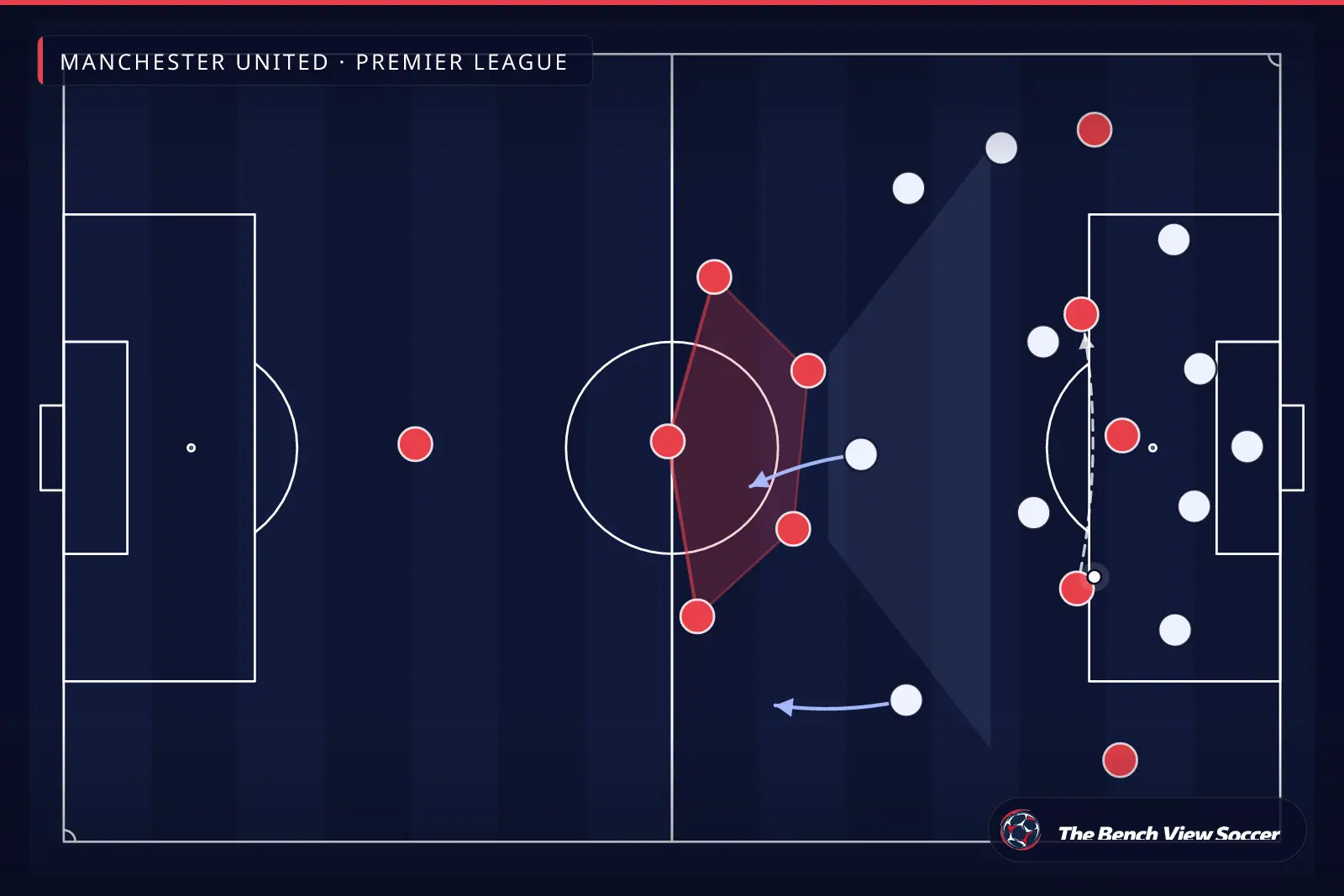
Manchester United's Baleba Move Fixes Their Rest-Defense Gap
August 22, 2026
Rodri to FC Barcelona: How the Pivot Reinvents Rest-Defense
August 19, 2026
Benfica's Inverted Right-Back Plan Made Dedić a £30m Upgrade
August 18, 2026