youth football development Pakistan
Pakistan sits on a footballing goldmine: a large, young population hungry for opportunity, growing local leagues and renewed energy from Pakistan Football Federation (PFF) restructuring. If you are a motivated player or coach, this is the moment to turn street talent into systematic progress toward the Pakistan Premier League and national team selection.
This guide explains practical steps, coaching priorities, real Pakistan Premier League examples, and clear mistakes to avoid. Read as a player, coach or parent and use the drills, steps and competition ideas to accelerate your path to provincial teams, SAFF Championship rosters and Asian qualifier preparation.
What is youth football development Pakistan?
Youth football development Pakistan is the coordinated effort to identify, coach and progress young players through age-group teams, local leagues and academies into professional pathways. It focuses on technical training, tactical understanding, physical preparation, regular competition and scouting in line with PFF’s grassroots reforms and national campaign goals.
How to develop youth football in Pakistan?
- Set up structured weekly coaching: Build a 3-phase session: technical warm-up (15 minutes), skill & small-sided games (30 minutes), tactical/conditioning (15 minutes). Prioritize ball mastery, passing under pressure and 1v1 defending. Train the same core skills every week to build consistency.
- Create local competitive pathways: Start school/club mini-leagues and summer tournaments. Regular 5v5 and 7v7 competitions expose players to decision-making under pressure and scouting chances for Pakistan Premier League academies.
- Coach education and standards: Invest in coach workshops, online modules and mentor sessions. Teach coaches how to design age-appropriate progressions — what to expect at U12, U15 and U18 stages — aligned with PFF’s restructuring priorities.
- Implement talent ID and monitoring: Run quarterly trials, keep simple player logs (technical, tactical, physical metrics) and track growth. Use video clips for feedback and invite standout players to provincial camps ahead of SAFF Championship age-group selections.
- Build links to clubs and the Pakistan Premier League: Arrange friendly matches with PPL club academies, showcase tournaments and scholarship routes. Clear pathways reduce dropout and keep talented youth motivated toward Asian qualifiers and senior call-ups.
What are real examples from Pakistan Premier League?
Pakistan Premier League clubs are beginning to formalize youth setups as PFF restructuring promotes grassroots investment. Examples include clubs running U18 sides that feed into first teams, academy-led community programs offering free clinics, and PPL clubs partnering with schools to find talented midfielders and wingers. These local pipelines have already produced players who featured in SAFF Championship campaigns and Asian qualifiers, showing the importance of club-academy cooperation.
Look at matches where PPL teams promoted academy graduates into senior squads ahead of SAFF matches — those selection decisions prove that consistent youth programs directly contribute to national team depth.
Best tips to boost youth football development in Pakistan?
- Focus on ball time: youth players need 200–300 quality touches per session to accelerate skill — deliver drills that maximize touches.
- Prioritize small-sided games: 3v3 and 5v5 improve decision-making faster than large, static drills.
- Use video feedback: short clips showing movement and positioning fix errors faster than long lectures.
- Maintain a clear pathway: show players the route from local leagues to Pakistan Premier League trials and national youth camps.
- Leverage PFF resources: engage with PFF workshops and align sessions with their age-group benchmarks for SAFF Championship and Asian qualifier readiness.
Mistakes to avoid?
- Overemphasizing winning at young ages: focus on development metrics (skills, decisions) rather than only results.
- Ignoring basic movement and conditioning: technical skill without athletic development increases injury and caps progress.
- Relying on one coach or one training style: expose youth to diverse coaching and tactical ideas to build adaptable players.
- Failing to connect with clubs and PFF pathways: talent will stagnate if players lack access to trials, scouting and competitive leagues.
Frequently Asked Questions?
How can a young player join Pakistan Premier League academies?
Attend local trials, perform consistently in school and district leagues, and contact PPL club academies directly. Keep a simple highlight video and player log of training dates and match minutes. PFF camps and showcase tournaments are prime opportunities to be scouted for PPL academies.
Related Resources
What age should structured coaching start?
Start structured, age-appropriate coaching by age 8–10 with focus on ball mastery and fun. Between 12–15, increase tactical understanding and physical conditioning. Track players through U12, U15 and U18 phases aligned to Pakistan youth national team selection windows for SAFF and Asian qualifiers.
How does PFF restructuring affect grassroots programs?
PFF restructuring is prioritizing coach education, formal grassroots leagues and clear pathways to provincial and national teams. This creates more regular competitions, standardized coaching curricula and scouting routes, improving long-term youth football development Pakistan and strengthening national teams for SAFF and Asian campaigns.
Can players train effectively with minimal facilities?
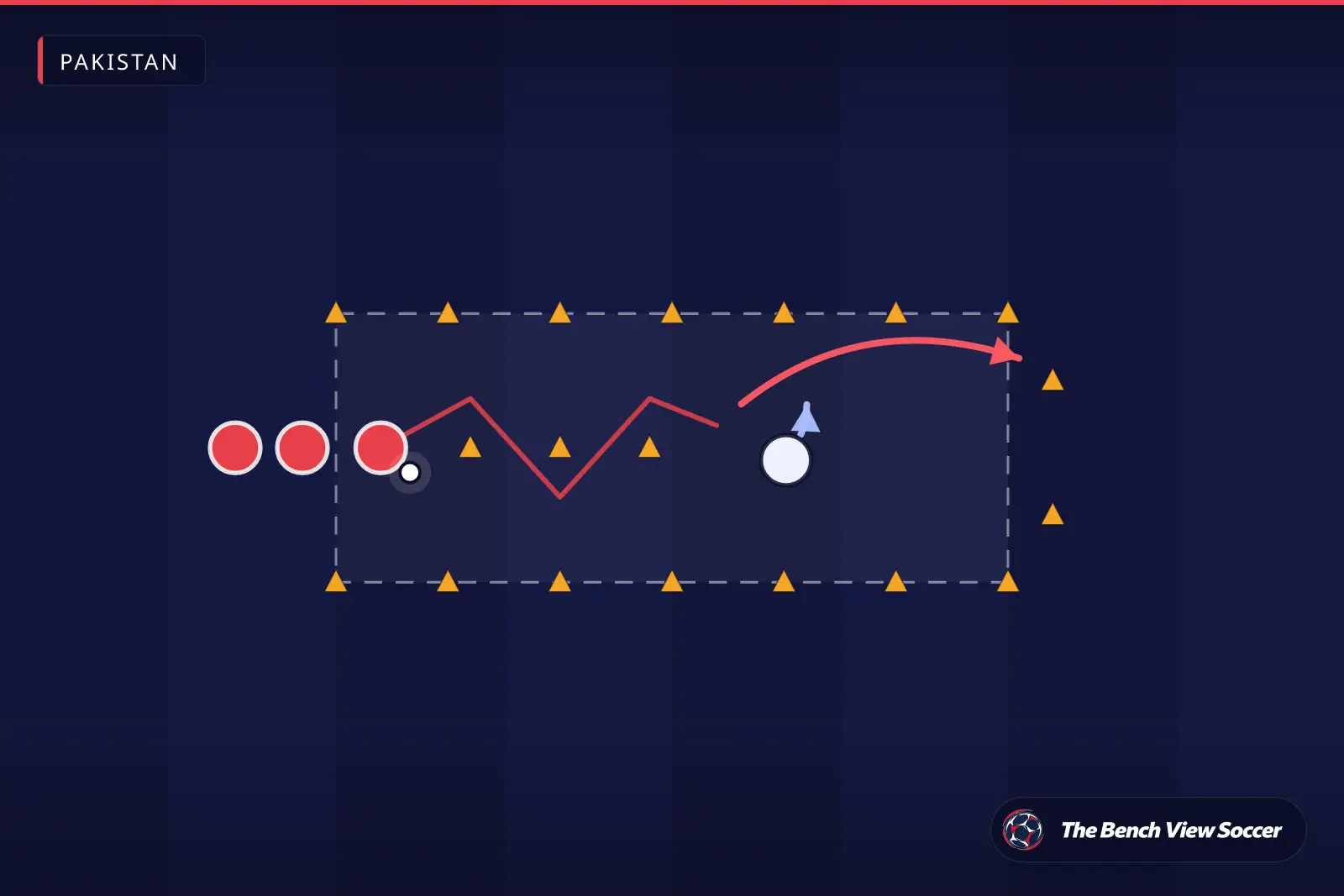
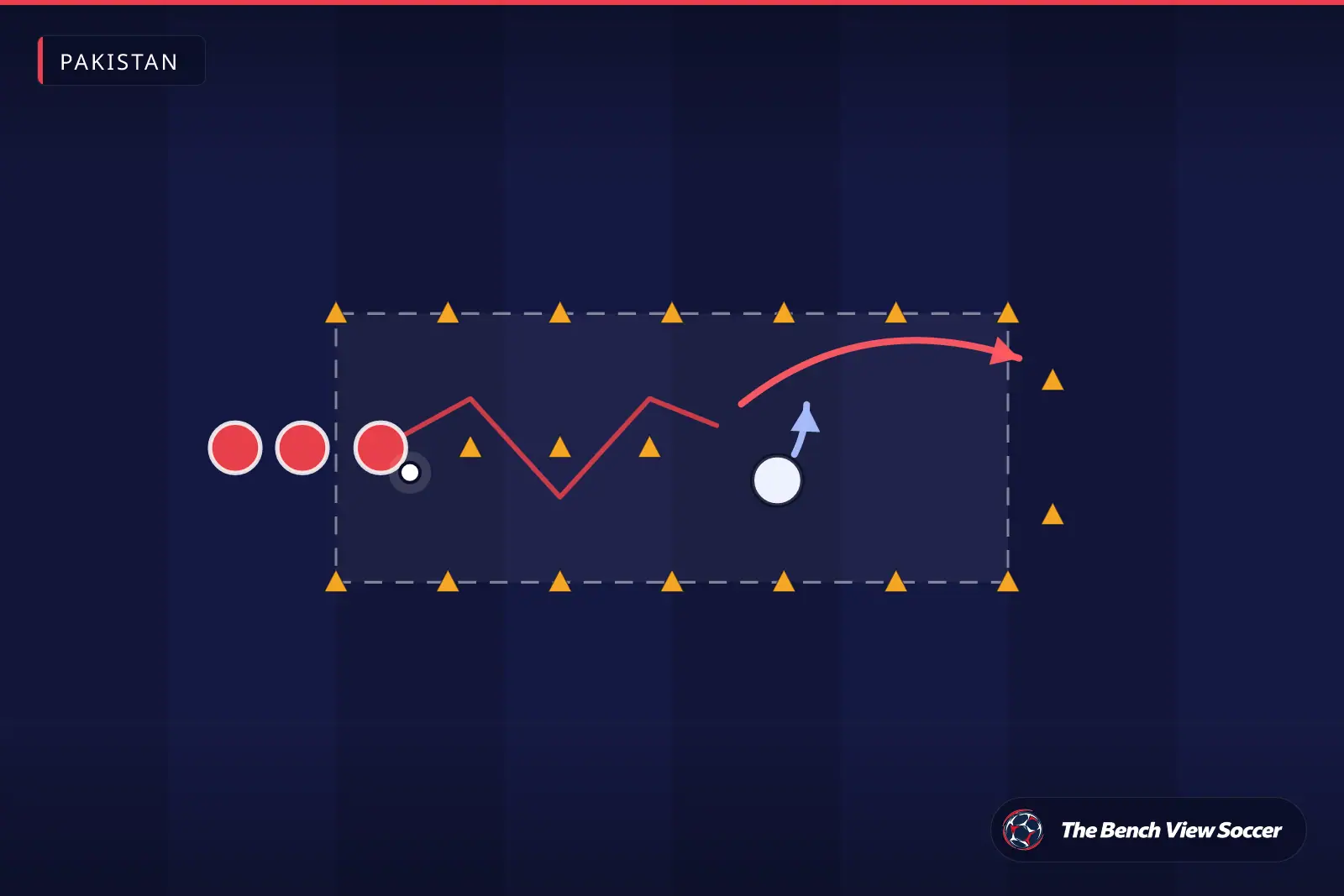
Yes — technical skills and decision-making can be developed with small-sided games, cones and creativity. Emphasize repetition, ball mastery, 1v1 work and fitness routines that fit local spaces. Connect with nearby clubs for periodic full-size pitch sessions and competitive matches to complement limited facilities.
Conclusion: Pakistan’s future in football depends on clear, practical youth development steps. Players, coaches and parents must combine consistent coaching, local competitions, talent ID and club links to turn hungry youth into Pakistan Premier League and national team contributors. Start our free courses on The Bench View Soccer.